By Kuda Pembere
Researchers have called for the global climate crisis to be declared a Public Health Emergency of International Concern (PHEIC), warning that extreme weather, droughts, floods and heatwaves are already placing health systems and vulnerable populations under severe pressure.
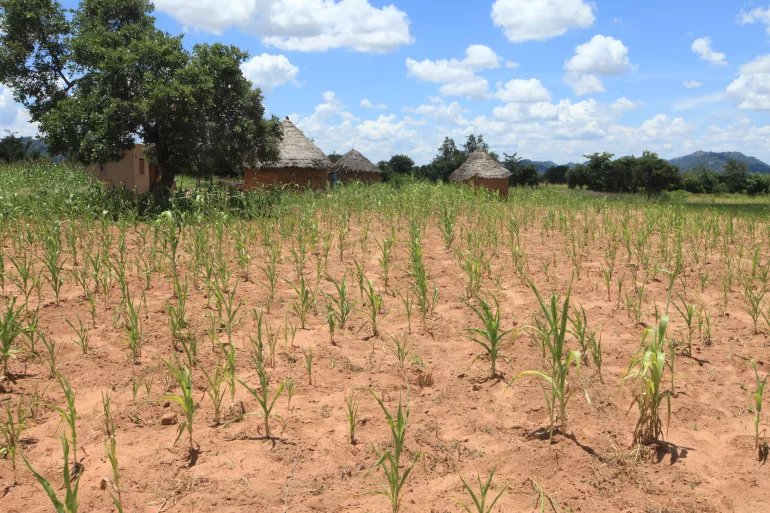
The call comes as Zimbabwe prepares for the 2026-27 farming season, with the Meteorological Services Department forecasting below-normal rainfall across much of the country and authorities strengthening preparations for a possible very strong El Niño-induced drought.
A PHEIC is defined by the World Health Organization (WHO) as an extraordinary event that poses a public health risk to other countries through the international spread of disease and may require a coordinated international response. Such an event must be serious, sudden, unusual or unexpected, with implications beyond the affected country’s borders.
Writing in The Lancet, Nicholas Brink, Robb Butler, Fortunate Machingura and Matthew Chersich argue that the climate crisis should be declared a PHEIC because of its immediate and increasingly international health consequences.
The researchers argue that extreme weather events are already causing illness, deaths and displacement, while lower-income countries face a disproportionate burden despite contributing less to global greenhouse gas emissions and having fewer resources to respond.
“Climate change is shaping health in the 21st century. In the past few weeks alone, Nepal has faced unprecedented flash floods, and multiple countries have experienced deadly heatwaves and catastrophic wildfires,” they wrote.
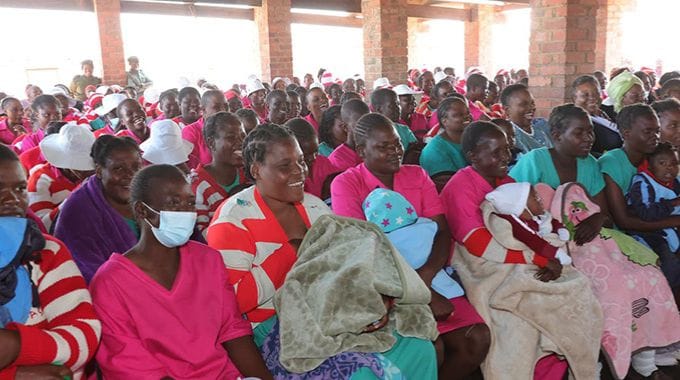
“El Niño is now firmly established and projected to intensify further. The southern hemisphere faces a summer of extreme heatwaves, droughts, and floods, threatening maternal and child health in particular, and increasing infectious disease outbreaks.”
They said many health and emergency response systems in lower-income countries had already been pushed beyond their limits.
“In these countries, many health and emergency response systems have been pushed past their limits, as mass-casualty, cross-border health emergencies unfold. These are acute, international events happening now, and not some future risk scenario,” the researchers said.
The call comes as Zimbabwe develops a Health National Adaptation Plan (HNAP), a strategic framework intended to address the effects of climate change on the health sector.
The plan is expected to be completed in early 2027 and, once finalised, Zimbabwe is expected to become the ninth African country with an up-to-date plan integrating climate change and health policy.
The researchers said three decades of negotiations under the UN Framework Convention on Climate Change had produced successive commitments but insufficient action to contain the risks.
“Political shifts are fast eroding hard-fought gains. The UN Environment Programme’s latest report, Limiting Overshoot, now considers the breach of the Paris Agreement’s 1·5°C threshold as inevitable,” they said.
“The extent of overshoot, however, remains within our influence: we can still determine whether we cross irreversible planetary thresholds and breach limits to adaptation.”
They argue that the International Health Regulations provide a mechanism for responding to extraordinary events that require coordinated international action.
“During a PHEIC, countries are legally obligated to establish national surveillance structures and support coordinated international activities,” the researchers said.
They said declaring a PHEIC would help drive a more coordinated and equitable public health response, including greater support for populations most affected by climate-related health risks.
“This would catalyse a more equitable and coordinated public health response, prioritising care and support for affected populations, while laying the platform for a public health approach to emissions reduction,” they said.
The researchers acknowledged that WHO resources are already under pressure, including from other public health emergencies, but argued that climate-related threats could not be treated as a future problem.
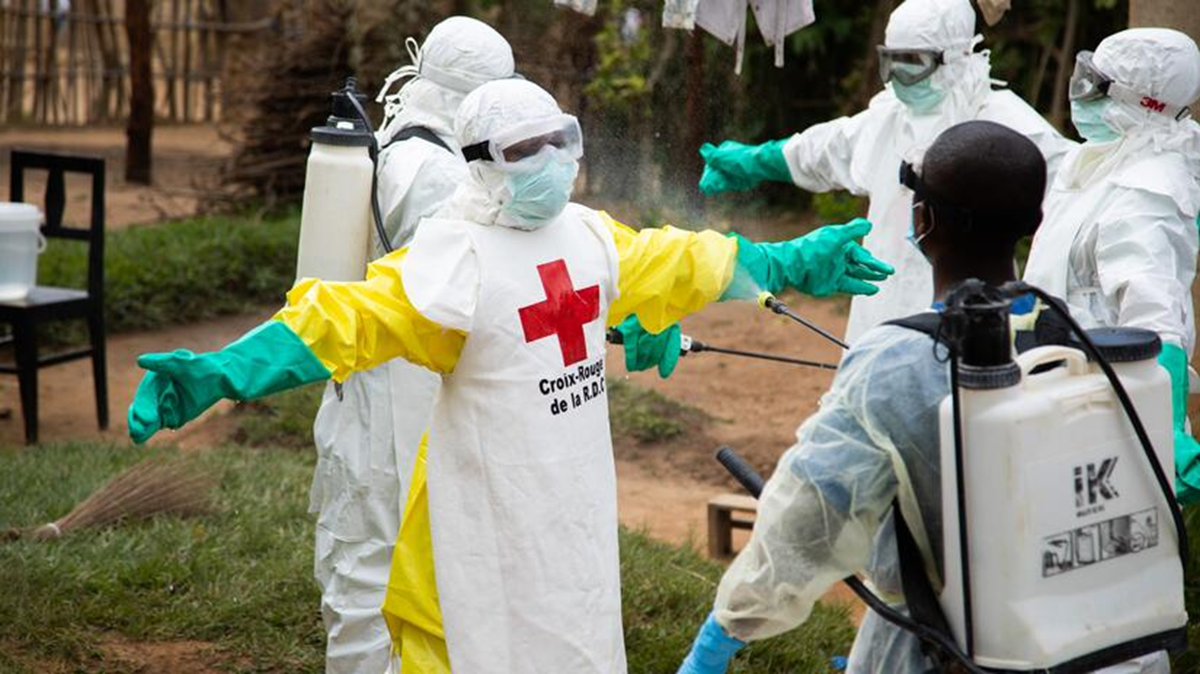
“Even though the Ebola PHEIC is already stretching WHO’s limited resources, communities facing the climate crisis cannot wait. Public health emergencies are not sequential; they overlap, compounding one another,” they said.
They also argued that a PHEIC should trigger preventive action rather than wait until a crisis reaches its peak.
“PHEICs are intended to guide preventive, risk-anticipatory action, not merely to mark the worst moment of a crisis or an irreversible catastrophe,” they said. “A PHEIC should be declared now, while coordinated global action can still reduce harm. WHO and its member states must act before it is too late.”
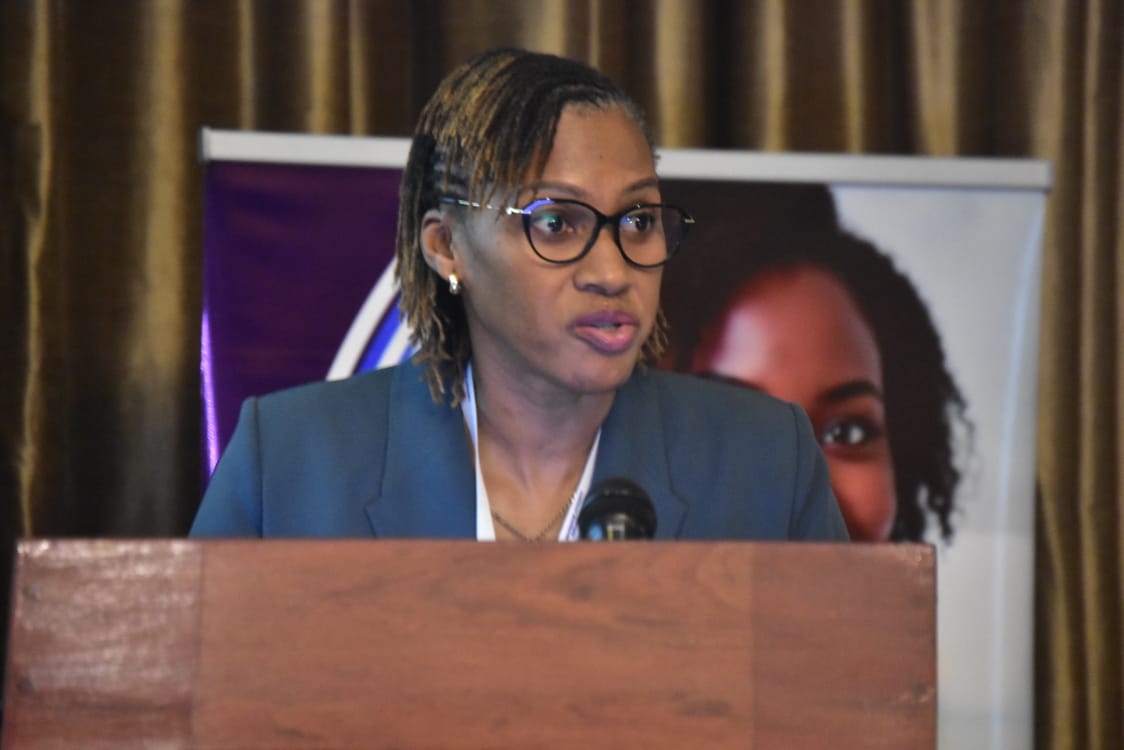
Machingura, a Zimbabwe-based climate and health researcher and one of the authors of the Lancet correspondence, said recent weather events in Zimbabwe highlighted the need for preparedness across multiple climate-related risks.
“The recent hailstorm in Masvingo, which damaged homes and health facilities, and the forecast of below-normal rainfall show how communities may face very different climate-related hazards at the same time,” she told HealthTimes.
“We should not attribute a single storm to climate change without formal analysis, but its impacts underline the need to protect people and keep essential health services functioning during severe weather.
Drought preparedness must also account for risks to water access, nutrition, maternal and child health, and livelihoods.”
Machingura said a PHEIC declaration could help countries anticipate and manage overlapping health threats through stronger surveillance, coordination and support for affected communities.
“A Public Health Emergency of International Concern declaration should help countries anticipate and manage overlapping health threats through stronger surveillance, coordination and support for affected communities. Its value would lie in mobilising timely, equitable action while preventable harm can still be reduced,” she said.
Machingura is a Zimbabwe-based climate and health scientist and Principal Investigator researching heat and pregnancy, occupational heat exposure among health workers, climate-resilient health infrastructure and climate-informed health-system surveillance. She is also the Zimbabwe Country Director for the Southern Africa Consortium on Climate and Health Science and Policy Centres.