

By Kuda Pembere
Zimbabwe is moving to establish a national benchmark for workplace wellness, with the Zimbabwe Business Council on Wellness (ZBCW) and Ganadora International set to launch a study aimed at filling a longstanding gap in data on workplace mental health, health challenges and their impact on productivity.
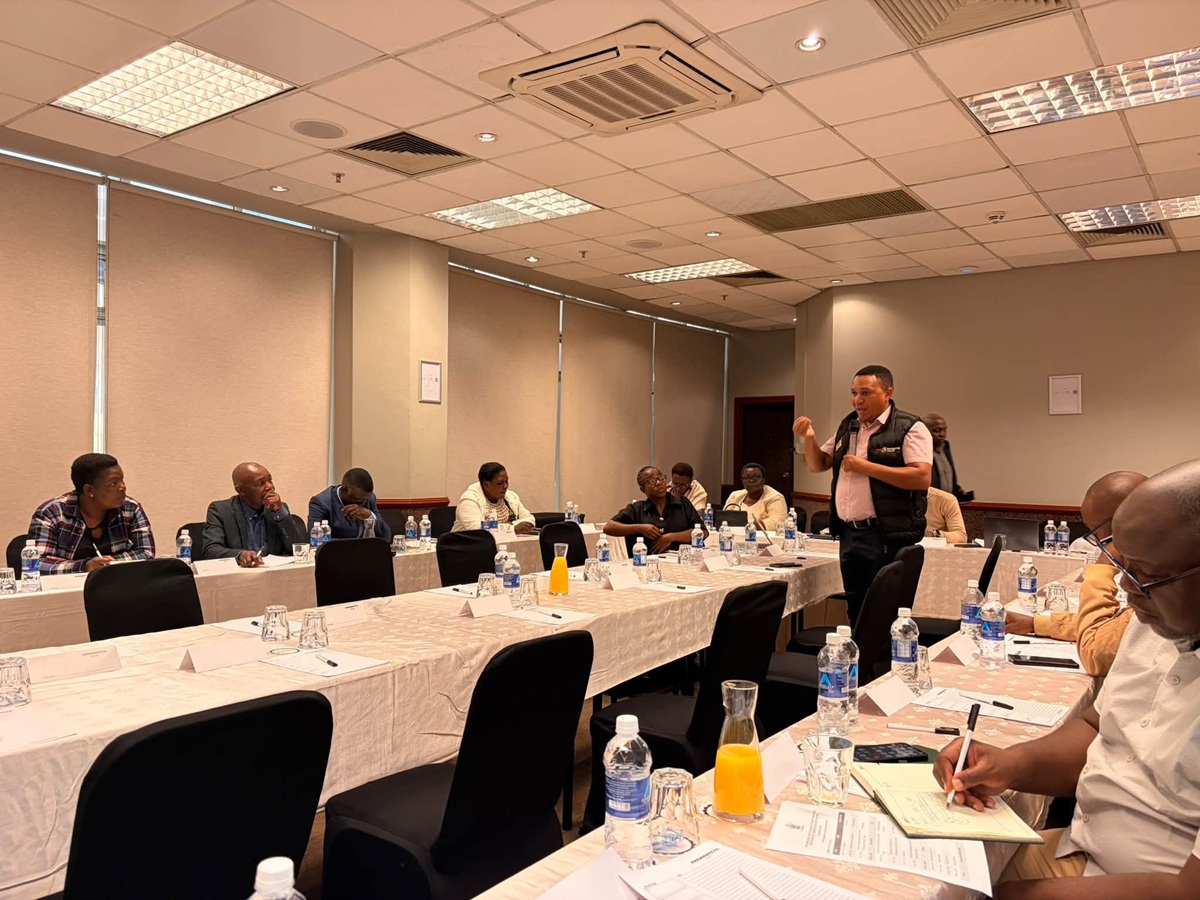
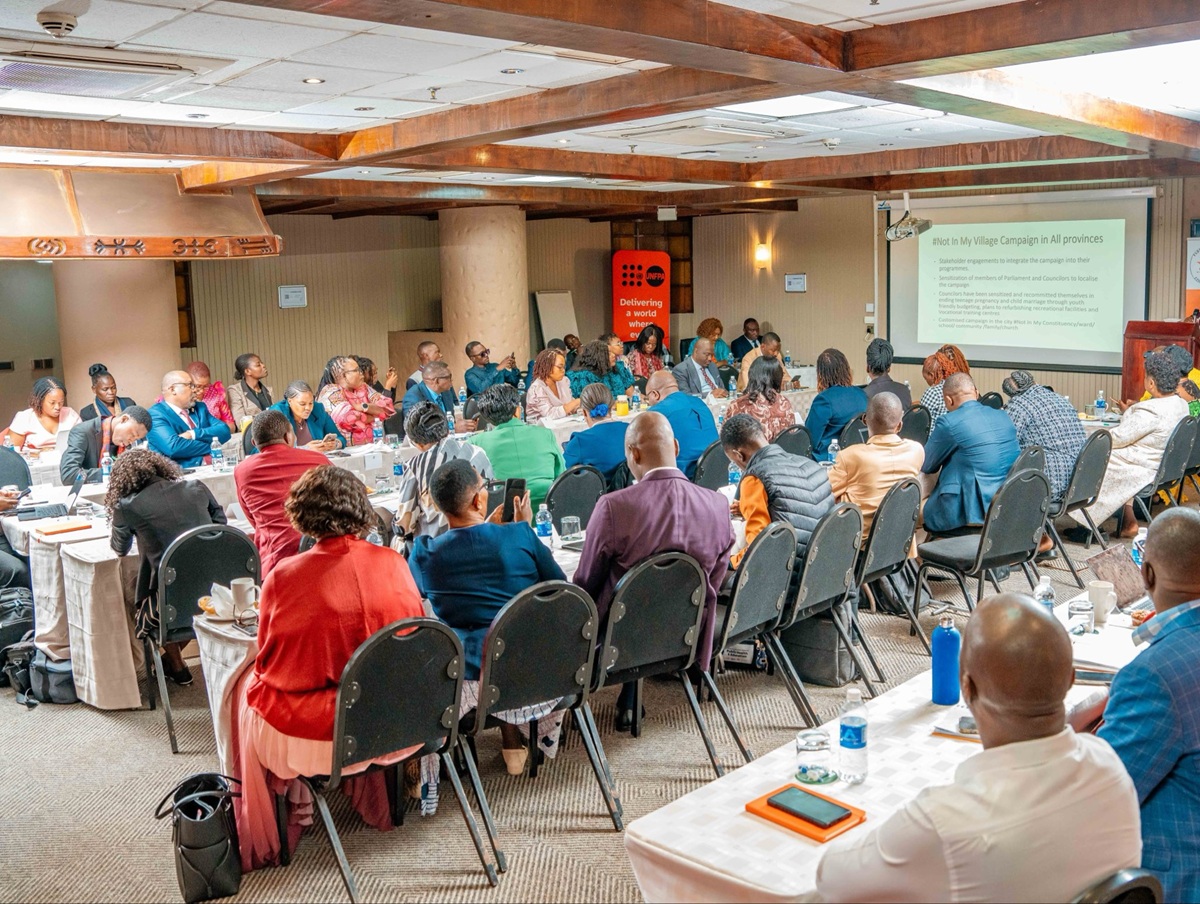
Speaking at the annual Corporate Wellness Indaba on Wednesday, ZBCW executive director Reason Machengere said the research commencing next year would support the country’s Vision 2030 and National Development Strategy 2 (NDS2) goals, particularly human capital development and productivity.
“We seek to work with others to ensure that we have output out of this research. Then we talk about the National Corporate Wellness Survey, what it measures, and the research partnerships behind it,” Machengere said.
He said the study would move workplace wellness discussions beyond broad claims and establish practical evidence that could inform policy and interventions.
“Everything actually is aligned to the current Vision 2030, where we want to be an upper-middle-income economy. And if you want to go granular, we also want to align this with National Development Strategy 2 and other national frameworks,” he said.
Machengere said human capital development, which NDS2 identifies as a foundation for national productivity, would be an important area of focus.
“This research is trying to move from just rhetoric to then say what are the practical steps that we can come up with to achieve the goals of this research,” he said.
The study will also seek to establish a national workplace wellness benchmark against existing standards, including those developed by the Global Wellness Institute.
Machengere said Zimbabwe also had its own HIV and Wellness Management System Standard, but awareness and uptake remained limited.
“We are not saying we will just go global. We have our own standard. Are we aware of it?” he said, adding that ZBCW was working with partners to promote the standard and encourage companies to adopt it.
The research will examine workplace responses to HIV, mental health, non-communicable diseases and neurodiversity, while allowing other relevant areas to be included. It will also assess the relationship between employee wellness, productivity and organisational performance.
Machengere said Zimbabwe needed local evidence to quantify that relationship rather than relying mainly on research from other countries.
“We need figures, we need data to actually support those assertions,” he said. “Instead of just copying what has been written by others, we need to say in Zimbabwe, in this company, this is the relationship between wellness and productivity.”
The study will also examine employer spending on health and wellness, including health-related taxes, workplace wellness programmes, medical aid contributions and other interventions, and assess the outcomes generated by that investment.
Machengere said this was particularly relevant to the private sector, which wanted to understand the return on its health and wellness expenditure.
The survey will measure issues including stress, burnout, mental health problems, substance and drug abuse, gambling disorders, HIV, chronic diseases, presenteeism and absenteeism. It will also seek to quantify working hours lost because of these challenges.
He said the research would provide data that could guide government planning, policy and accountability, while helping employers assess the economic value of workplace wellness programmes.
Machengere said Zimbabwe currently lacked a reliable annual national benchmark on workplace wellness to guide investment and policy.
The research, he said, would help close that gap by producing consistent national data linking workplace wellness with organisational and economic outcomes.
“If we want to develop effective national policy and interventions, we must first understand the problem we are trying to solve,” he said.
Delivering a speech on behalf of Public Service, Labour and Social Welfare Minister Edgar Moyo, Fanwell Dzoma said the National Workplace Wellness Research Initiative would help establish a clearer picture of the challenges facing Zimbabwean workers and organisations.
He said effective responses to workplace mental health and wellness required reliable national data on the challenges different sectors face, psychosocial risks, interventions and progress.
Dzoma said the initiative received national support after it was presented at the National Workers Wellness Summit in May 2026, where it received the backing of the minister.
He called for collaboration among government, employers, employees, health professionals, researchers and other stakeholders, and urged organisations to participate in the research and share information.
“Let us therefore move from assumptions to evidence; from anecdotes to data; and from isolated interventions to national learning,” Dzoma said.
Dr Patience Mavunganidze, the Ministry of Health and Child Care’s acting deputy director of the Mental Health Division, said workplace wellness should also take into account workers’ social lives and responsibilities outside work.
“Work-life balance is important as an employer and as an employee because you need to be able to be someone who is a worker and a father or a mother and someone who is a responsible citizen,” she said.
Mavunganidze said workers should maintain interests and activities outside their jobs, including hobbies, exercise, church and other social activities.
“Most people focus on work and forget or neglect the social aspects. They forget that they are going to have a time that they are not going to work,” she said.