By Michael Gwarisa
Zambia has finally agreed to sign a US$1.5 billion health funding deal with the United States after months of negotiations over controversial provisions on health data, biological specimens and the conditions attached to American assistance.
The five-year agreement, which is expected to be signed on Thursday, will see the United States provide US$1.5 billion in health funding, while Zambia commits approximately US$2.1 billion of its own resources over the same period, according to Zambian Health Minister Professor Roma Chilengi.
The deal follows months of negotiations after Lusaka raised concerns over provisions in the original framework, particularly requirements relating to health data and biological specimens. Zambia had also objected to an attempted linkage between US health assistance and a separate agreement involving access to critical minerals.
Those concerns have now been addressed, with the revised agreement limiting data sharing to information necessary to monitor and evaluate US-funded health programmes. A provision requiring Zambia to provide medical specimens to the United States has also been removed.
Zambian officials said no biological specimens would leave the country under the agreement.
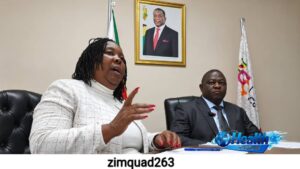
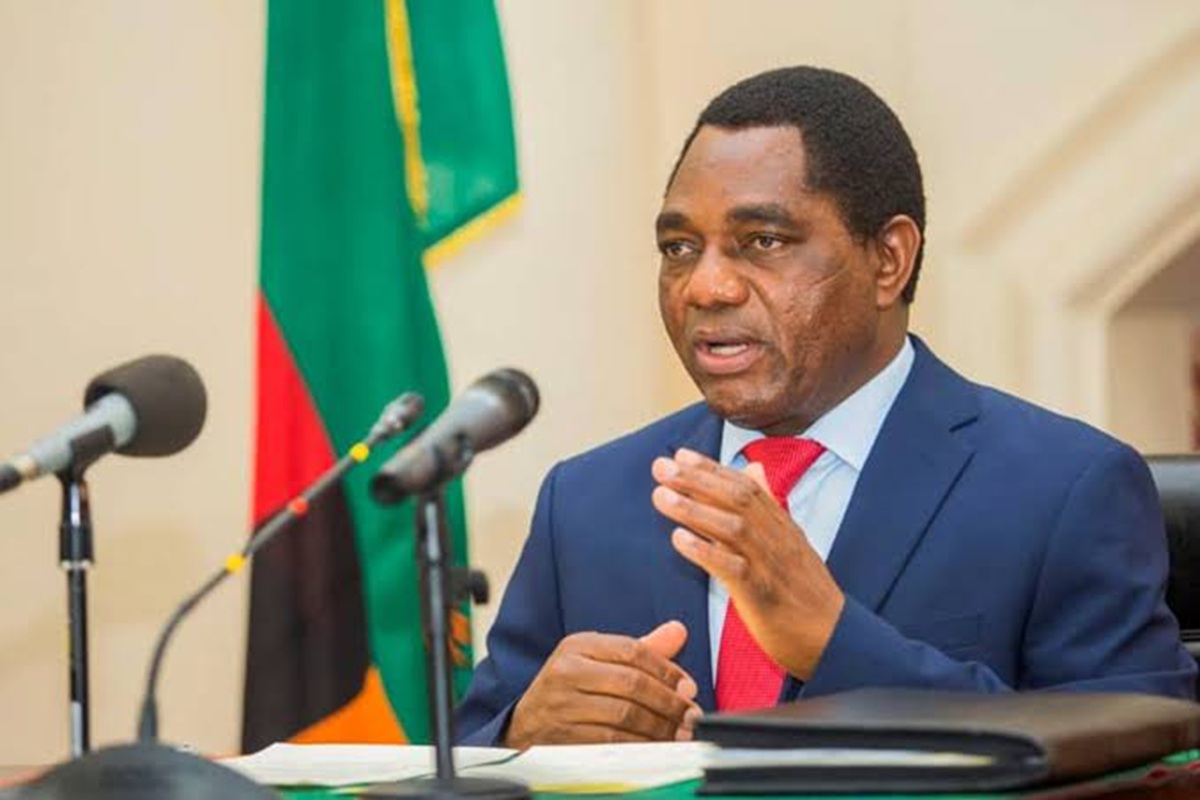
“The government is pleased to proceed with the signing of the MoU. The MoU will be signed on Thursday by the Ministry of Finance,” Chilengi said during a televised press conference on Tuesday.
He described the agreement as an important milestone for health financing in Zambia, while acknowledging the longstanding role of the United States in supporting the country’s health system.
“As you know, the United States Government has been a critical partner to the government of Zambia for the provision of healthcare. Historically, they supported a lot of our healthcare costs.”
Meanwhile, Zambia’s agreement comes as Zimbabwe moves in the opposite direction, following the collapse of negotiations for a new bilateral health agreement with Washington.
The United States has formally signalled a shift away from decades of health and humanitarian assistance to Zimbabwe, towards trade, investment and broader economic cooperation. US Ambassador to Zimbabwe Pamela Tremont made the announcement on Tuesday at a “Beyond Assistance” reception in Harare, describing the development as the beginning of a new chapter in relations between the two countries.
“The event marks a pivotal moment in U.S.-Zimbabwe relations, celebrating the transition from health assistance to a new era of collaboration in other areas of mutual interest, including trade,” Tremont said.
The contrasting developments in Lusaka and Harare highlight the different paths being taken by two neighbouring countries as Washington reshapes its foreign assistance model. For Zimbabwe, the end of direct US health assistance raises questions over how the country will sustain programmes that have historically relied heavily on external financing, particularly in HIV and tuberculosis, while maintaining gains made over decades of international investment in the health sector.