By Michael Gwarisa
Zimbabwe is hosting a peer-to-peer exchange with Mozambique under the SPHIRHA programme to strengthen public health institutions’ capacity to address sexual and reproductive health and rights challenges, with adolescent pregnancy emerging as a major concern for maternal health.
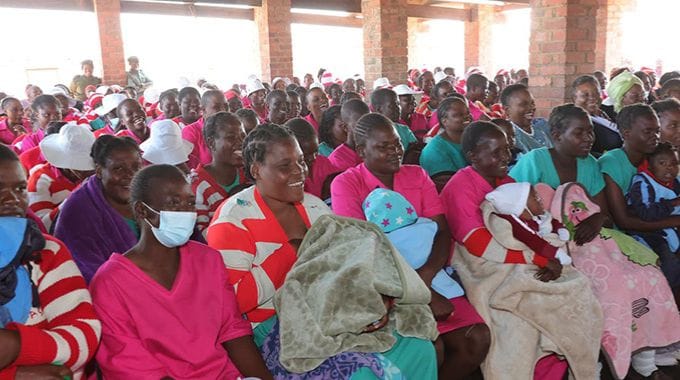
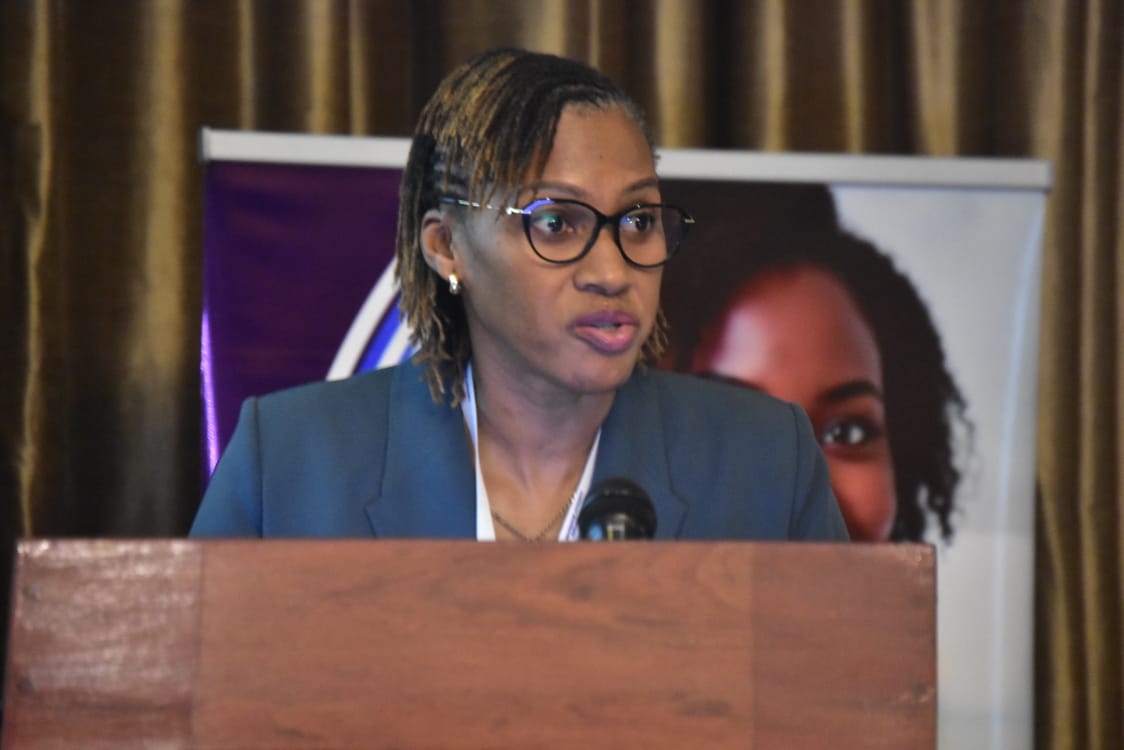
Chief Director in the Ministry of Health and Child Care, Dr Celestino Dhege, said adolescents account for about 14 to 15 percent of maternal mortality in Zimbabwe, highlighting the need to prevent teenage pregnancies while improving care for adolescents who become pregnant.
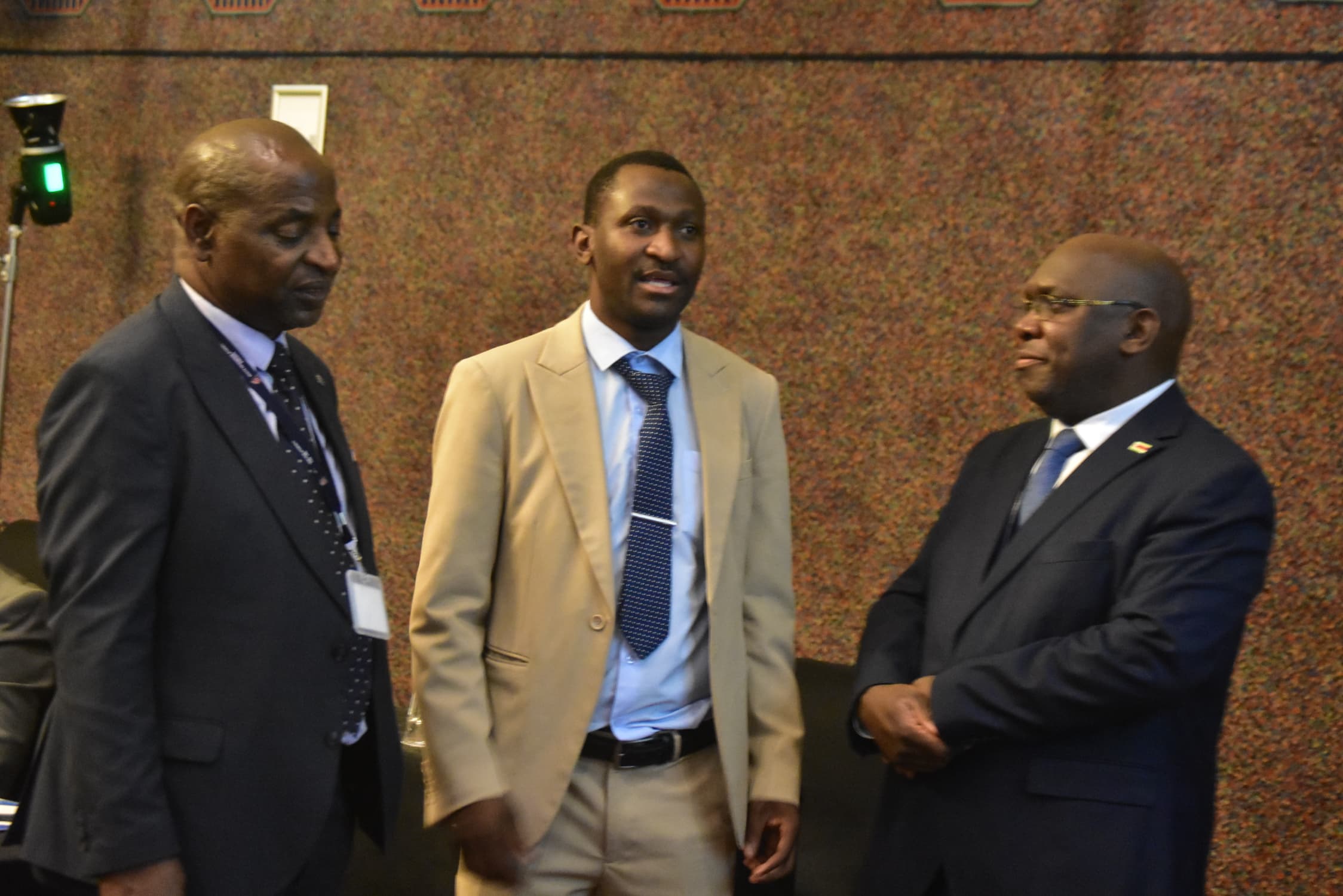
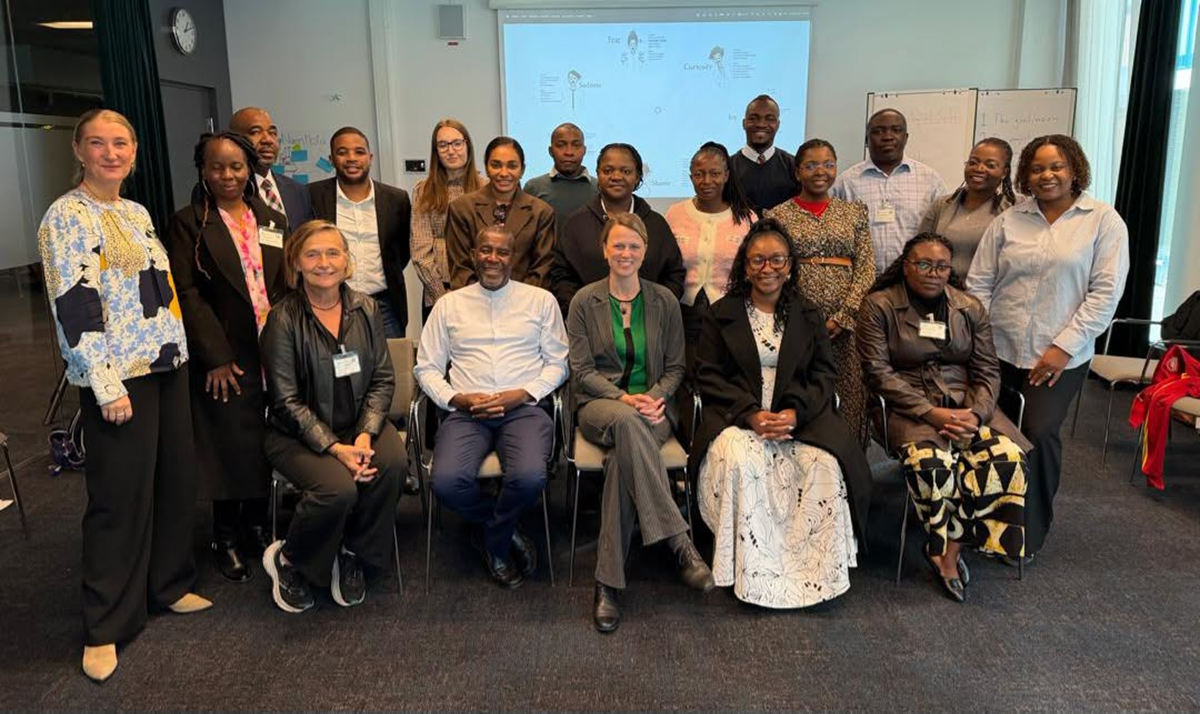
The Zimbabwe-Mozambique exchange brings together public health officials to share experiences, identify gaps and strengthen approaches to adolescent sexual and reproductive health and rights across the two countries.
“Mind you, the adolescents contribute probably to about 14 to 15 percent of the maternal mortality that occurs in our system,” Dhege said.
He said Zimbabwe needed to intensify efforts to prevent adolescent pregnancies while ensuring that those who become pregnant receive appropriate care to minimise the risk of maternal deaths.
Adolescents in Zimbabwe face a range of sexual and reproductive health challenges, including child marriage, teenage pregnancy and menstrual hygiene difficulties. Dhege also identified drug and substance abuse and mental health problems as increasingly important concerns among young people.
“So we really have to work hard to make sure that we reduce adolescent pregnancies in the first place and also make sure that when they do become pregnant, we minimise the risk of them dying while pregnant,” he said.
The Ministry is working with the Ministry of Primary and Secondary Education to strengthen comprehensive sexual education in schools, while also working with partners on menstrual hygiene, substance abuse prevention and adolescent mental health.
Dhege said the government was also working towards a framework that would bring together different ministries and partners to address adolescent health more comprehensively.
“One of the critical plans for the country is to make sure that we have a framework that takes care of adolescent health, working with partners, working with other ministries so that we enhance their livelihoods and continue to improve their health,” he said.
Zimbabwe has also introduced a policy allowing girls who become pregnant to return to school, a development Dhege said the Ministry welcomed.
The peer exchange is part of the SPHIRHA programme involving six southern African countries: Botswana, Malawi, Mozambique, Namibia, Zambia and Zimbabwe.
According to SPHIRHA representative Anne Marrie Wesley, the participating countries approached the Public Health Agency of Sweden for support to strengthen the capacity of their public health institutions.
A capacity needs assessment was conducted before the programme’s activities were organised into four thematic work packages covering institutional management and governance, data reporting and surveillance, public health communication and knowledge translation.
Wesley said the programme had supported capacity development in areas including crisis communication, internal communication structures and knowledge synthesis, with the broader objective of helping institutions use data and evidence to inform health policy and interventions.
“We are doing all this in order to develop better policy briefs for the decision makers to be able to prioritise and do cost-effective interventions within the area of SRHR,” Wesley said.
She said the programme had been running for two years and would continue for another two years, until December 31, 2028.
However, Wesley said continuation beyond 2028 would depend on the programme demonstrating that it had strengthened participating institutions and their ability to work systematically and strategically with evidence.
She said the partners’ ability to provide decision-makers with quality data and evidence-based policy briefs would be important in determining whether the collaboration could continue beyond the current programme period.
For Mozambique, the exchange is providing an opportunity to compare experiences with Zimbabwe and identify common gaps in adolescent sexual and reproductive health.
Joao Mabaduru of Mozambique’s Instituto Nacional de Saúde said early pregnancy was one of the key gaps identified during the exchange.
“For us, it’s very important to have this collaboration between Mozambique and Zimbabwe so that we can figure out what we have in common and some gaps that we need to address together,” Mabaduru said.
He said addressing adolescent health required collaboration between different institutions rather than relying on a single organisation.
Mabaduru said Mozambique had established capacity in areas including surveillance, laboratories and health interventions, but stood to benefit from the experiences of other African countries.
“For us, it’s very important to understand other countries’ experience and take this experience to Mozambique so that we can also develop together as African countries,” he said.
The exchange comes as both countries seek to strengthen the use of institutional capacity, data and collaboration to address persistent sexual and reproductive health challenges affecting adolescents.