
By Patricia Mashiri
Disability advocates have called for women with disabilities to move beyond being viewed as beneficiaries of policies and programmes and take their place as leaders and decision-makers in Zimbabwe.
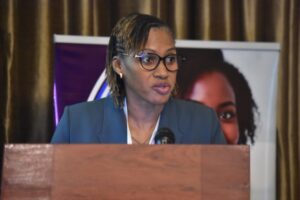
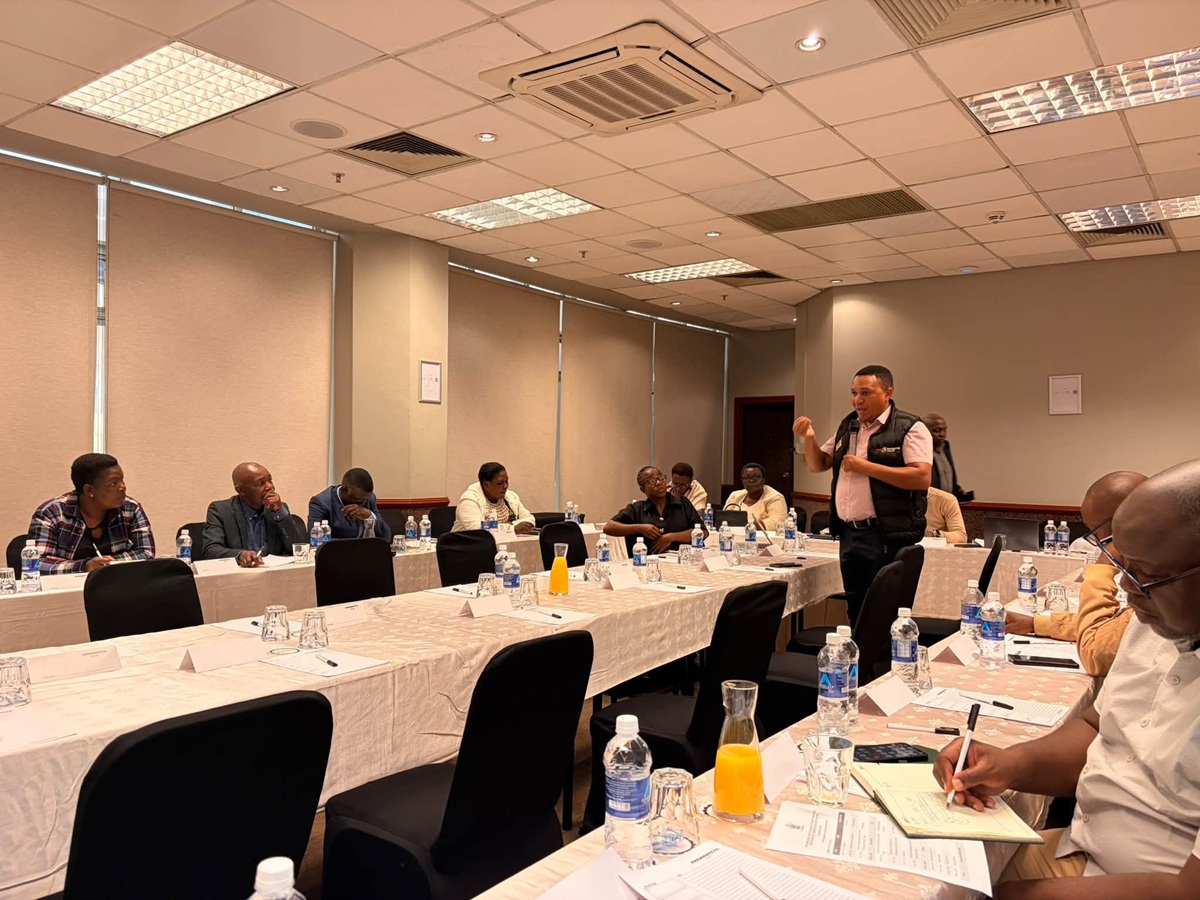
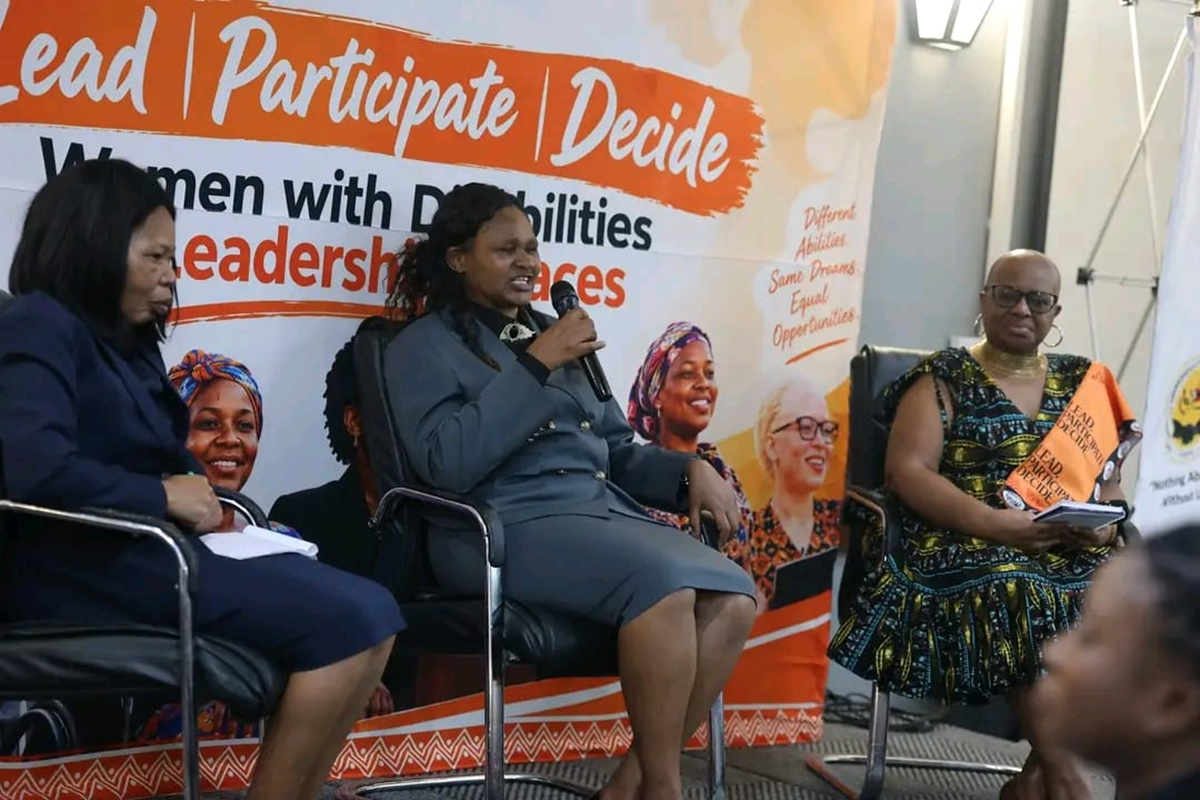
Speaking at a Women’s Coalition of Zimbabwe disability forum on women with disabilities in absentia Presidential Special Advisor on Disability Issues Rossy Mpofu said the country needed to shift from merely consulting women with disabilities to ensuring they have meaningful influence in decisions affecting their lives.
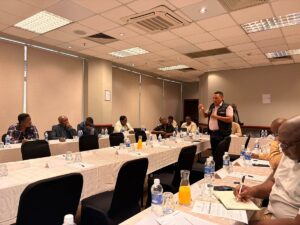
The forum, held under the theme From Rights to Influence: Advancing Women with Disabilities in Leadership, Civic Participation and Decision-Making, focused on the barriers limiting the participation of women with disabilities in leadership and civic spaces.
Mpofu said the journey should move from women with disabilities being spoken about to being heard, consulted, participating and ultimately influencing decisions.
“For many years, disability was too often understood primarily through the language of welfare, vulnerability and dependency.
“Increasingly, disability is being understood as a matter of rights, dignity, participation, empowerment and national development,”she said
Mpofu highlighted that women with disabilities should not be defined solely by the support they may require, but also recognised for their roles as professionals, entrepreneurs, farmers, students, policymakers, community leaders and decision-makers.
The Special Advisor pointed to her own position as a visually impaired woman serving in government as an example of how representation can change perceptions of what women with disabilities can achieve.
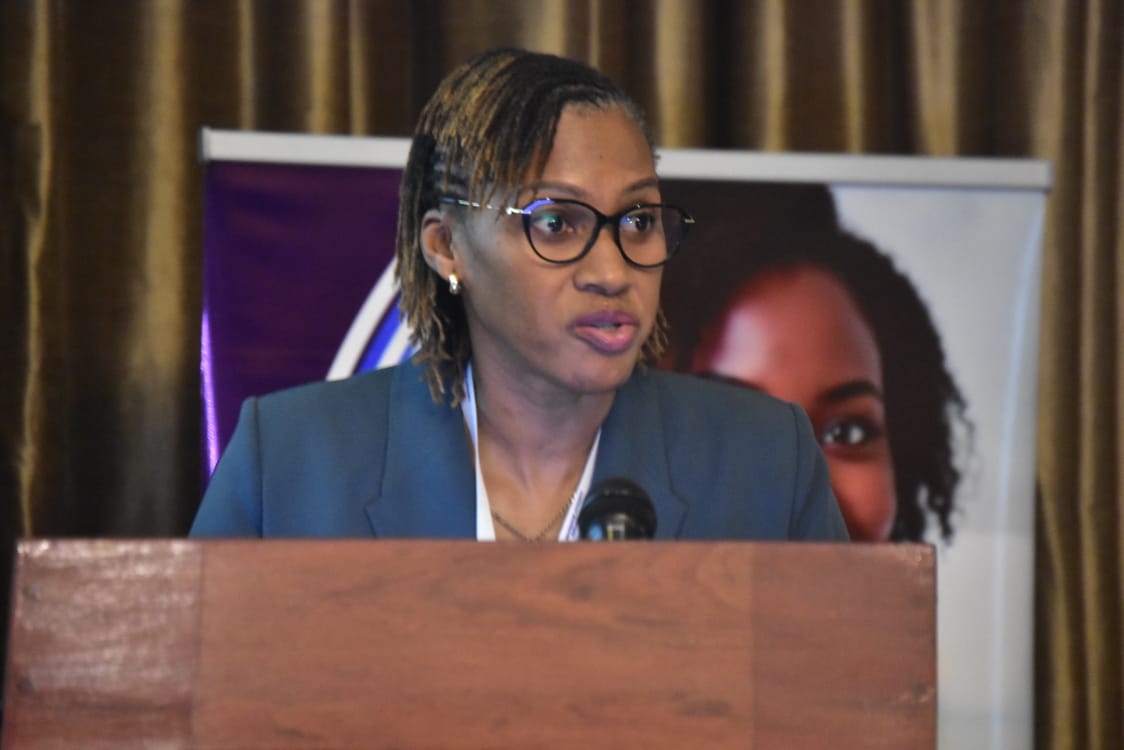
Sukoluhle, WCoZ Disability Forum Chairpersn Mlanga said the shift in the conversation around women with disabilities must be accompanied by practical measures that address the barriers preventing their participation.
Mlanga said discussions around women with disabilities had historically focused largely on vulnerability and protection, but the focus now needed to shift towards agency, leadership and decision-making.
“Women with disabilities navigate a complex landscape of discrimination on gender, combined with systemic, physical, institutional and attitudinal barriers.
“These barriers, she said, were particularly visible in civic and political spaces they include inaccessible voting and parliamentary venues, lack of sign-language interpretation, inaccessible information and materials, unequal access to campaign financing and societal perceptions about who should occupy leadership positions’” Mlanga said.
She added these barriers can make it difficult for women with disabilities to participate on an equal footing even when they have the skills and desire to lead.
Mpofu said achieving meaningful inclusion would require action from Parliament, Government, the private sector, development partners, civil society and organisations representing persons with disabilities.
She called on Parliament to strengthen representation and participation of women with disabilities in oversight and decision-making processes, while Government should translate policies and legislation into programmes, budgets, services and opportunities reaching communities, including rural areas.