By Michael Gwarisa
For more than a century, the Bacillus Calmette-Guérin (BCG) vaccine has been the world’s main vaccine against tuberculosis, protecting millions of children from severe forms of the disease. But the vaccine’s limitations have become increasingly difficult to ignore. While BCG remains an important tool for protecting infants and young children, it has limited impact against pulmonary TB in adolescents and adults, the age groups that account for most TB transmission.
Now, more than 100 years after BCG was first developed, the world could be approaching a major shift in how TB is prevented. Gavi, the Vaccine Alliance, says next-generation TB vaccines could potentially become available from 2029, with the potential to extend protection into adolescent and adult populations that have traditionally been beyond the effective reach of BCG.
The stakes are considerable. The World Health Organisation estimates that 10.7 million people fell ill with TB globally in 2024, equivalent to 131 incident cases per 100,000 population. About 5.8 percent of people who developed TB were living with HIV, while the largest share of cases occurred in low- and middle-income countries, particularly South-East Asia and Africa.
Gavi’s modelling suggests that, if successfully developed and introduced, next-generation TB vaccines could help save an estimated 7.3 million lives between 2030 and 2050 and generate up to US$135 billion in economic benefits across low- and middle-income countries. The Alliance estimates that demand could average 86 million vaccination courses a year.
But before those projections can become reality, major scientific, manufacturing, financing and access questions remain. What exactly are the vaccines being developed? How different will they be from BCG? Which countries will receive them first? How will manufacturers produce enough doses? And can the world avoid the inequities that have characterised access to some newer vaccines?
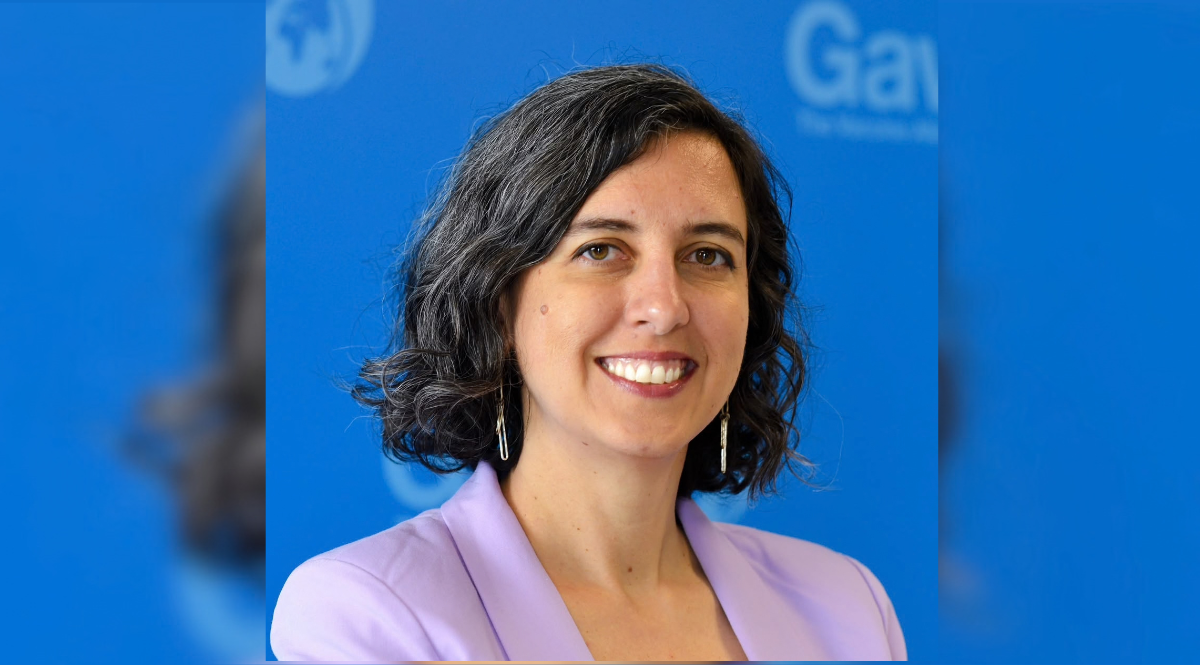
In this exclusive HealthTimes interview, Emily Kobayashi, Director of Vaccine Programmes at Gavi, the Vaccine Alliance, discusses the science behind the next generation of TB vaccines, the limitations of BCG, preparations for a possible 2029 introduction, and the challenge of ensuring that countries carrying the greatest TB burden are not left waiting for protection.
HealthTimes: Gavi says next-generation TB vaccines could become available from 2029 and potentially save 7.3 million lives by 2050. What vaccine candidates are you referring to, what stage of clinical development are they currently at, and what are the key scientific questions that still need to be answered before any of them can be licensed?
Emily Kobayashi: Before any vaccine can be licensed, it must demonstrate safety, efficacy and lasting protection through rigorous clinical testing. Several vaccine candidates are currently in late-stage development or are expected to enter efficacy studies in the coming years. As these studies are ongoing, it would be premature to speculate on which candidate may ultimately succeed, but late-stage development is the final and most critical phase before regulatory approval.
This progress is what underpins the projections for a potential vaccine to be licensed by 2029. Reaching this point would mark a major breakthrough because novel TB vaccines represent one of the most significant opportunities to reduce the burden of the disease in decades. TB still causes around 1.2 million deaths every year, and a safe and effective vaccine for adolescents and adults could help reduce this devastating impact, particularly in countries that carry the highest burden of disease.
HealthTimes: The current BCG vaccine is more than 100 years old and mainly protects infants and young children against severe forms of TB. What specifically do the new vaccines need to demonstrate in adolescents and adults that BCG cannot, and how confident are you that they can substantially reduce transmission and pulmonary TB?
Emily Kobayashi: BCG remains an important vaccine and continues to protect infants and young children against severe forms of TB. However, it has limited impact on pulmonary TB disease in adolescents and adults, which is responsible for most TB transmission today. So what makes these new vaccines potentially so impactful is their ability to help prevent pulmonary TB disease in these older age groups, addressing an important gap in the current toolbox. No vaccine can eliminate TB on its own, but modelling suggests that an adolescent and adult vaccine with 50 percent efficacy could significantly reduce illness, deaths and transmission, alongside existing TB prevention and treatment programmes.
Ultimately, we are waiting to see the evidence generated through the ongoing efficacy studies, because that will tell us what level of protection these vaccines provide, and what their potential impact will be.
HealthTimes: Gavi estimates that demand from low- and middle-income countries could average 86 million vaccination courses a year. What is being done now to ensure manufacturers invest in enough production capacity before demand is fully known, and who will bear the financial risk of building that capacity?
Emily Kobayashi: The Gavi Alliance has decades of experience helping prepare markets for new vaccines. One of the key lessons from previous vaccine introductions is that this work cannot wait until a vaccine is licensed. Countries are already expressing strong interest in new TB vaccines, and we know many high-burden countries will want to move quickly if a vaccine becomes available. Manufacturers ultimately make decisions about investing in production capacity, the factories that will be critical to producing enough vaccines.
Organisations like ours can help reduce uncertainty through demand forecasting, market-shaping incentives and the use of innovative financing. The goal is to create the right conditions for investment early, so that if a vaccine succeeds, supply is ready to meet demand. A key part of that work is giving manufacturers greater confidence to invest now by providing a clearer picture of future demand. Gavi works with countries and partners to understand which countries would need a new vaccine, how quickly they may want to introduce it and what volumes could be required to reach the target population.
Then we publish roadmaps that offer a longer-term view on demand and supply and work to turn this information into action in the form of investment in suitable vaccines, at sufficient levels of production, in the right timeframe.
HealthTimes: You have said these vaccines will only realise their potential if there is sufficient, predictable and affordable supply. What price range does Gavi consider affordable, and are you already negotiating with manufacturers?
Emily Kobayashi: It is too early to put a figure on what an affordable price would look like. A lot of this will depend on the characteristics of the vaccines that ultimately succeed. What is clear is that affordability needs to be considered from the outset. Gavi’s role has always been to help ensure vaccines reach the countries that need them most as quickly and sustainably as possible.
That is why we are already working with countries, partners and manufacturers to better understand demand, identify potential access risks and plan for sustainable and affordable access.
HealthTimes: Several high-burden countries are already laying the groundwork for rollout, including countries hosting vaccine trials. Where exactly do you expect the first rollouts to take place, and what factors will determine which countries receive the first doses once a vaccine is licensed?
Emily Kobayashi: We don’t know now which countries will receive the first doses. However, what is already clear is that interest from high-burden countries is growing and, indeed, some countries hosting clinical trials, namely South Africa and Indonesia, are already laying the groundwork for introduction. Several others are actively engaging in planning discussions with their TB programmes and their vaccination programmes. These early mover countries have made clear that they see novel TB vaccines as a long-awaited breakthrough.
The exact rollout will depend on factors such as the characteristics of the vaccine ultimately approved, WHO recommendations, available supply and country demand. One of the encouraging signals we’re seeing is that some countries are starting to think about how these vaccines could be deployed. That early planning will be important in making sure these vaccines deliver the greatest impact.
HealthTimes: What criteria will Gavi and its partners use to prioritise countries for initial access?
Emily Kobayashi: Our guiding principle is that countries carrying the greatest burden of TB should be among the first to benefit from a new vaccine. As with any new routine vaccine, country governments will need to make their own decisions about when they would want to introduce the vaccine. Key considerations are likely to include disease burden, the potential health impact of early introduction, available supply and country readiness.
HealthTimes: The roadmap identifies inadequate financing as a major risk. What funding mechanism will pay for these new TB vaccines, and how will you prevent TB vaccination from competing with existing childhood immunisation programmes?
Emily Kobayashi: The Gavi Board has given in-principle approval for Gavi to support novel TB vaccines, subject to a successful licensed vaccine and WHO recommendations. Our Alliance is focused on low- and middle-income countries and has a strong track record supporting them to introduce new vaccines in a sustainable way. This includes our co-financing model, which sees countries progressively increase their own investment over time, helping build long-term ownership and sustainability.
We can also leverage 25 years of vaccine market-shaping experience and a range of innovative financing tools that could provide more certainty about future needs. However, the exact financing approach will depend on vaccine characteristics, country demand and future funding decisions, including availability of financing for this work across countries of various income levels. Importantly, TB vaccination should not be viewed as competing with childhood immunisation programmes, or other forms of TB prevention. The new vaccines should not replace the BCG vaccine, which will still be important to protect young children.
Many countries are expected to deliver new TB vaccines through existing immunisation platforms and in close alignment with existing national TB programmes. They will be building on decades of experience introducing new vaccines while maintaining routine immunisation services. As with previous vaccine introductions, the objective would be to expand protection against a major infectious disease while continuing to strengthen broader immunisation systems and deliver other lifesaving interventions as part of a holistic primary health care approach.
HealthTimes: Access is particularly important for low-income countries. What specific steps is Gavi taking to ensure that a new TB vaccine does not follow the pattern seen with some newer vaccines, where high-income countries secure early supplies while poorer countries wait?
Emily Kobayashi: We know that TB disproportionately impacts communities across low- and middle-income countries, which means a successful rollout will require solutions that work across that spectrum of countries.
In this case, TB is less prevalent in high-income countries, so we do not anticipate high demand.
As mentioned, Gavi has many years of experience helping countries access healthier vaccine markets and more affordable vaccines, which is why we are already working with partners to identify access risks, better understand future demand and explore approaches that can support timely and equitable access once vaccines become available.
Our objective is to help ensure that public health needs are what determines access, so that countries carrying the greatest burden of TB are not left waiting for protection.
HealthTimes: TB is also a major driver of antimicrobial resistance. How much of the projected benefit comes from preventing drug-resistant TB, and does Gavi see vaccination as part of the global AMR strategy?
Emily Kobayashi: Drug-resistant TB is a serious public health challenge that is difficult and costly to treat. The modelling looks primarily at the overall impact of reducing TB illness and deaths. However, preventing TB infections means fewer cases requiring treatment, and this means fewer opportunities to develop or transmit drug-resistant forms of the disease. That’s why we see vaccination as an important part of the broader response to antimicrobial resistance. Alongside prevention, diagnosis and treatment, vaccines can help reduce the number of people who develop TB and require antibiotics.
HealthTimes: Finally, what is the biggest threat to the 2029 timeline and to equitable access once these vaccines are licensed?
Emily Kobayashi: The biggest threat to the 2029 timeline is that vaccine candidates still need to successfully complete clinical trials and demonstrate they are safe, effective and provide lasting protection before they can be licensed. We are all eagerly awaiting this evidence. The next challenge is translating a promising vaccine into public health impact, which will require countries, manufacturers and partners to move quickly. That is why we are planning now for supply and introduction.