By Kuda Pembere
Zimbabwe must urgently strengthen domestic resource mobilisation if it is to sustain gains made in the fight against HIV, tuberculosis (TB), malaria, and in maternal and child health, as the United States Government prepares to end funding for the programmes in September.
The call came during a Health Sector Working Group meeting convened by the Ministry of Health and Child Care on Friday, where government and development partners acknowledged that the country must prepare for a future with reduced external health financing.
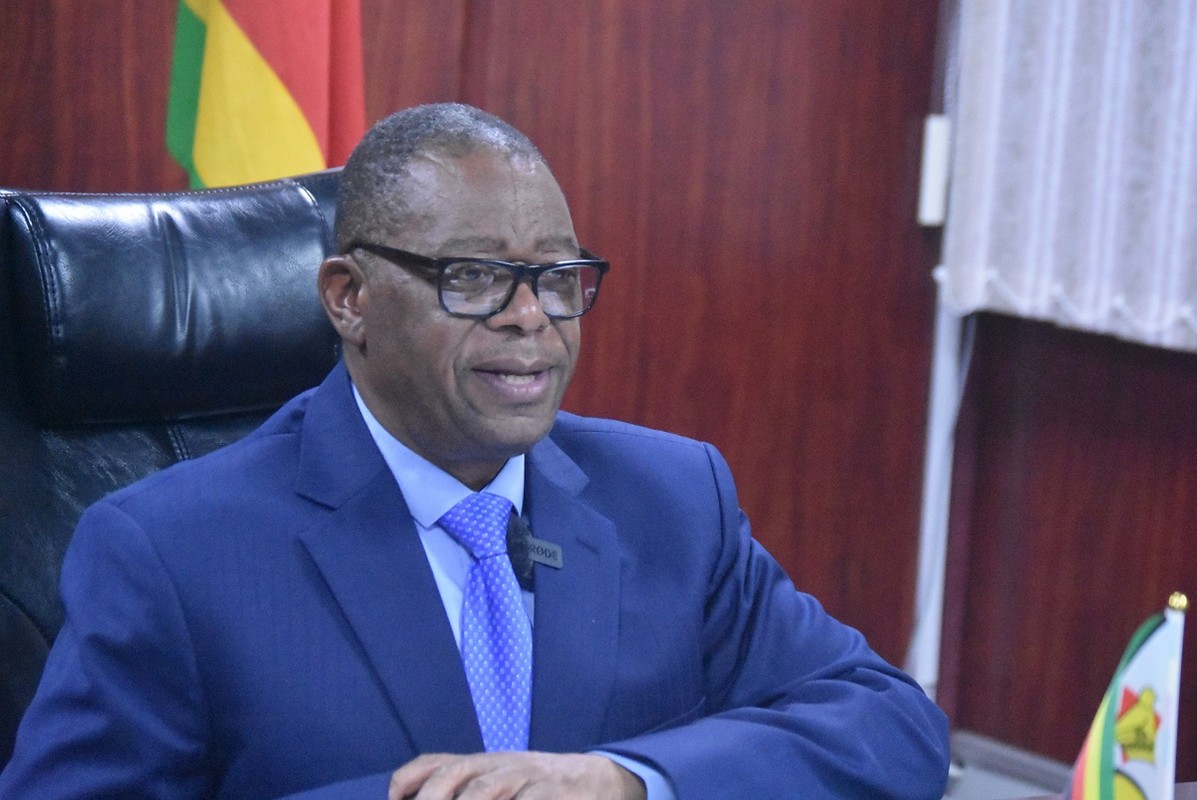
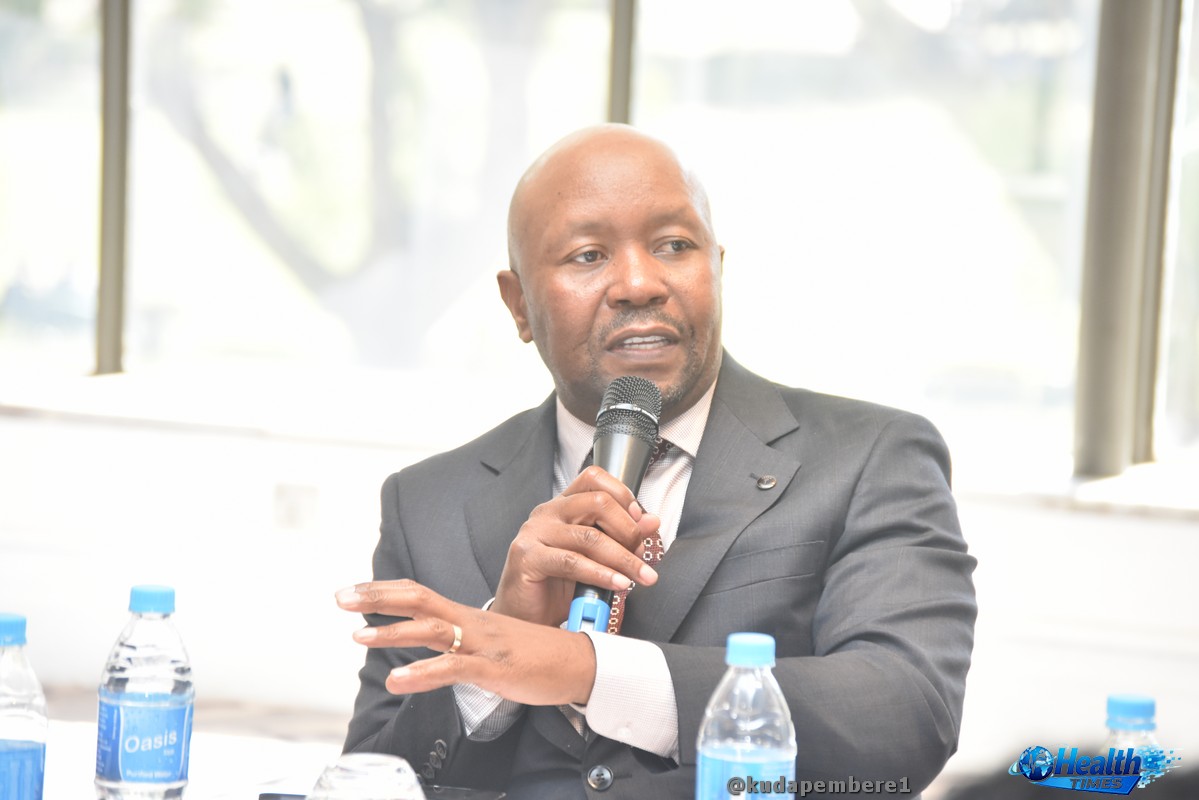
Officiating at the meeting, Secretary for Health and Child Care Dr Aspect Maunganidze said building a sustainable health financing system had become more urgent as global funding continued to decline.
“Equally important is the question of sustainability. The global health financing environment is changing. External resources are becoming increasingly constrained and, of course, less predictable.
“This reality requires us to accelerate domestic resource mobilisation and progressively move towards a financing model that is sustainable and capable of supporting the health needs of our population.
“Most people think financing is solely the responsibility of Treasury. It is not. Within our institution, a significant portion of the resources that keep the health system functioning depends on our ability to plan effectively, ensure every intervention has a sustainability component, improve efficiency and remain accountable for the decisions we make. Everyone agrees that health is important,” he said.
Dr Maunganidze said the constrained fiscal environment continued to affect the availability of essential medicines and health commodities, infrastructure maintenance, and the implementation of critical health programmes.
“We need to reinforce domestic resource mobilisation, improve efficiency and maximise the value derived from every resource available to the health sector. As they say, more money for health and more health for the money,” he said.
World Health Organization (WHO) Representative to Zimbabwe, Dr Desta Tiruneh, said the transition marked the end of an era in which the United States had been the country’s largest health donor.
“Historically, the largest funder, the U.S. Government, is preparing to transition HIV, TB, malaria, and maternal and child health programmes to Zimbabwe by 30 September 2026,” he said.
Despite the reduction in external funding, Dr Tiruneh said development partners remained committed to supporting Zimbabwe’s health priorities.
“We encourage the Government of Zimbabwe to accelerate sustainable domestic health financing, with the aim of reaching the Abuja Declaration target of allocating 15 percent of the national budget to health, while ensuring efficient disbursement and utilisation of resources for health programmes,” he said.