By Michael Gwarisa
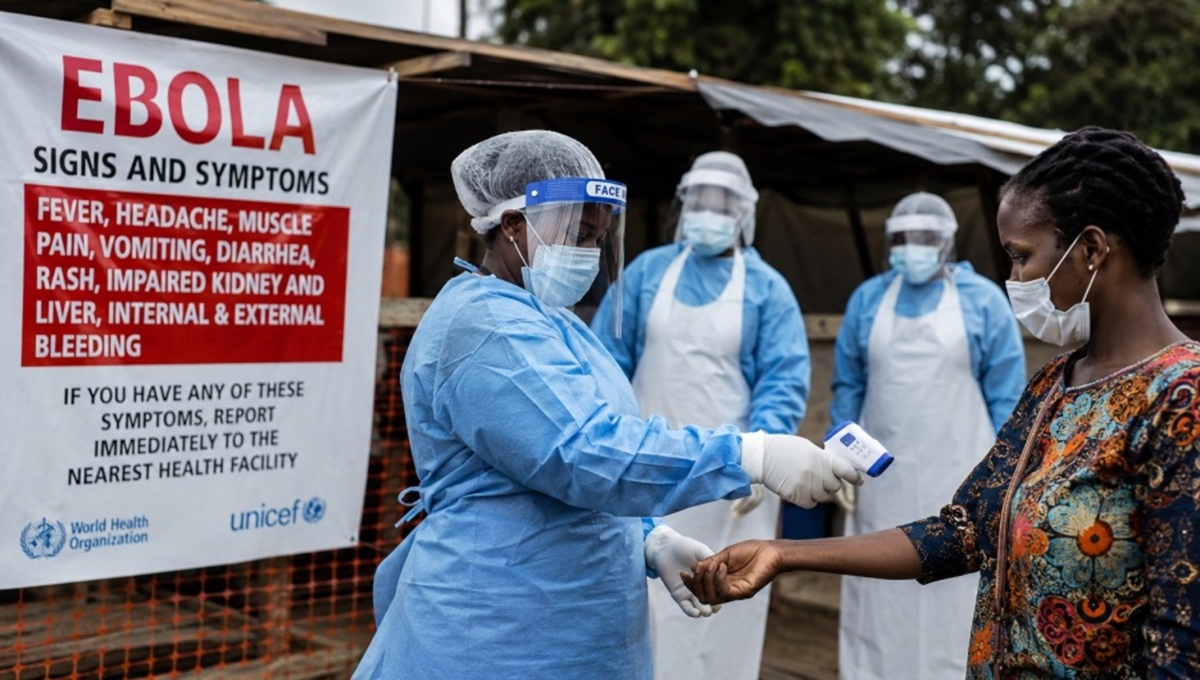
Scientists have launched the world’s first clinical trial to determine whether an experimental antiviral drug can prevent people exposed to the Bundibugyo strain of Ebola virus from developing the deadly disease, offering new hope as an outbreak in the Democratic Republic of the Congo (DRC) and Uganda continues to spread.
The EBO-PEP (Ebola Post-Exposure Prophylaxis) trial officially began on 14 July in Ituri Province, eastern DRC, the epicentre of the outbreak. Researchers have started enrolling people who have had high-risk contact with confirmed Ebola patients.
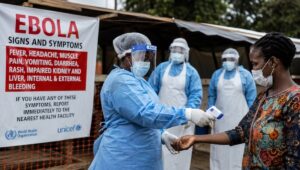
The trial comes as the Bundibugyo Ebola outbreak has infected 1,759 people and claimed 600 lives as of 9 July, according to the DRC’s National Institute of Public Health (INSP). The World Health Organization (WHO) declared the outbreak a Public Health Emergency of International Concern on 17 May.
Unlike the Zaire strain of Ebola, which has licensed vaccines and treatments, there are currently no approved vaccines or effective therapies for Bundibugyo Ebola.
Preventing infection before illness develops
The study will evaluate obeldesivir, an experimental oral antiviral developed by Gilead Sciences, to determine whether it can prevent Ebola among people recently exposed to the virus.
Researchers hope the post-exposure prophylaxis (PEP) approach can stop infection before symptoms develop, similar to preventive medicines used after exposure to HIV or rabies.
Nearly 1,000 participants are expected to be enrolled in the DRC and Uganda. Eligible participants include adults and children aged 12 years and older who have had direct contact with a confirmed Ebola case within the previous five days but remain symptom-free.
Participants will be monitored daily for 21 days, with a final assessment after 42 days.
A second arm of the study will provide remdesivir on compassionate grounds to children under 12 years and pregnant or breastfeeding women because there is not yet enough safety data on obeldesivir for these groups.
WHO calls trial a research priority
WHO identified the evaluation of obeldesivir as one of the highest research priorities for controlling the outbreak.
“Prevention is essential to stopping this outbreak and protecting those at highest risk of infection. If successful, the EBO-PEP trial could establish post-exposure prophylaxis as a game-changing approach for preventing Ebola disease among people who have been exposed to the virus,” WHO Director-General Dr Tedros Adhanom Ghebreyesus said.
He said that, combined with strong community engagement and effective contact tracing, the strategy could become an important tool for bringing Ebola outbreaks under control.
Africa CDC backs study
The Global Health EDCTP3 Partnership, supported by the European Commission, has provided an initial €3.4 million for the study.
The Africa Centres for Disease Control and Prevention (Africa CDC) has committed US$1 million and helped mobilise another US$5 million, including US$2 million from South Africa and US$3 million from the DRC.
Africa CDC is also supporting scientific coordination, field simulations and identification of high-risk contacts.
“An Ebola exposure is a moment of fear for a health worker, a family and a community. EBO-PEP gives us a critical opportunity to act before exposure becomes disease,” Africa CDC Director General Dr Jean Kaseya said.
He urged development partners to help close the remaining funding gap and ensure equitable access if the medicine proves effective.
Years of preparation
Although launched this week, the EBO-PEP platform has been under development since 2024. It aims to evaluate several medicines as post-exposure prophylaxis against filoviruses, including Ebola and Marburg viruses, across the DRC, Uganda, Guinea, Liberia and Sierra Leone.
The current Bundibugyo outbreak is the first opportunity to test the strategy during an active epidemic.
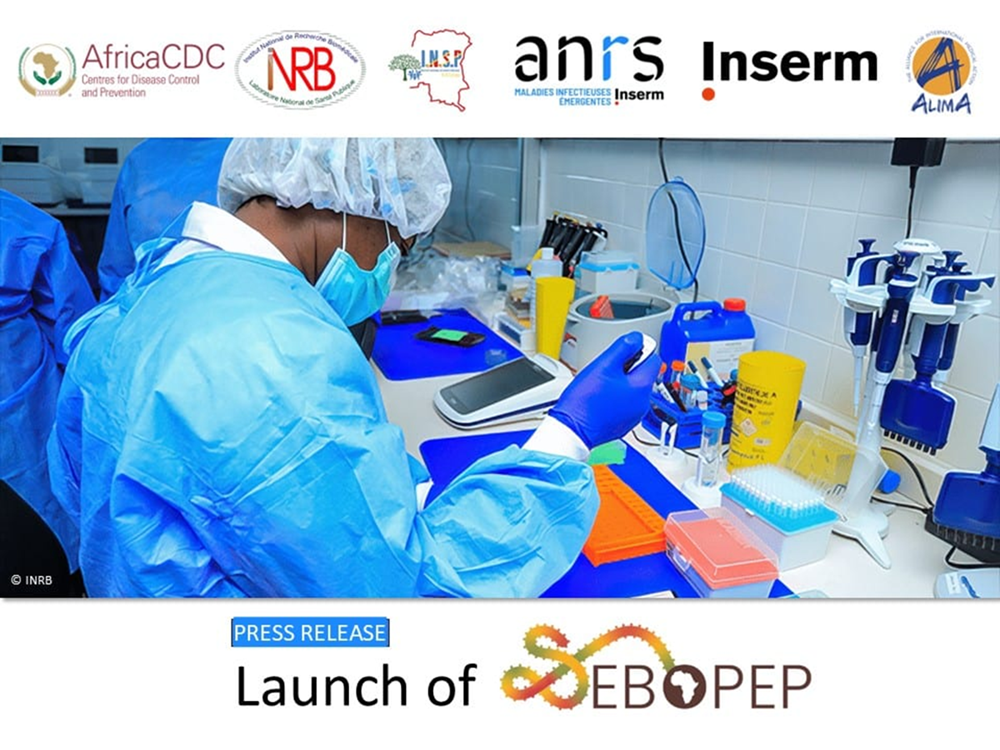
The trial is coordinated by ALIMA in partnership with the National Institute for Biomedical Research (INRB), ANRS Emerging Infectious Diseases/Inserm, Médecins Sans Frontières and other African and international research institutions.
Researchers say the project will also strengthen Africa’s capacity to conduct outbreak research through specialised training in clinical trials, patient care, laboratory procedures and drug safety.