By Percival Kushure
SHAMVA/BINDURA – Recent male engagement initiatives on family planning and reproductive health conducted in Shamva and Bindura districts, as well as at workplaces in Bindura by the Zimbabwe National Family Planning Council (ZNFPC), are beginning to transform men’s perceptions of family planning and reproductive health. More men are recognising the value of their active participation in improving family wellbeing.
Traditionally viewed as a women’s responsibility, family planning is increasingly being recognised by men as a shared responsibility that contributes to healthier families, stronger relationships and informed household decision making. This comes against the backdrop of intensified male engagement programmes by ZNFPC in Mashonaland Central Province.
During a workplace programme on men’s wellness in Bindura, participants expressed appreciation for platforms that allowed them to openly discuss reproductive health issues and receive accurate information.
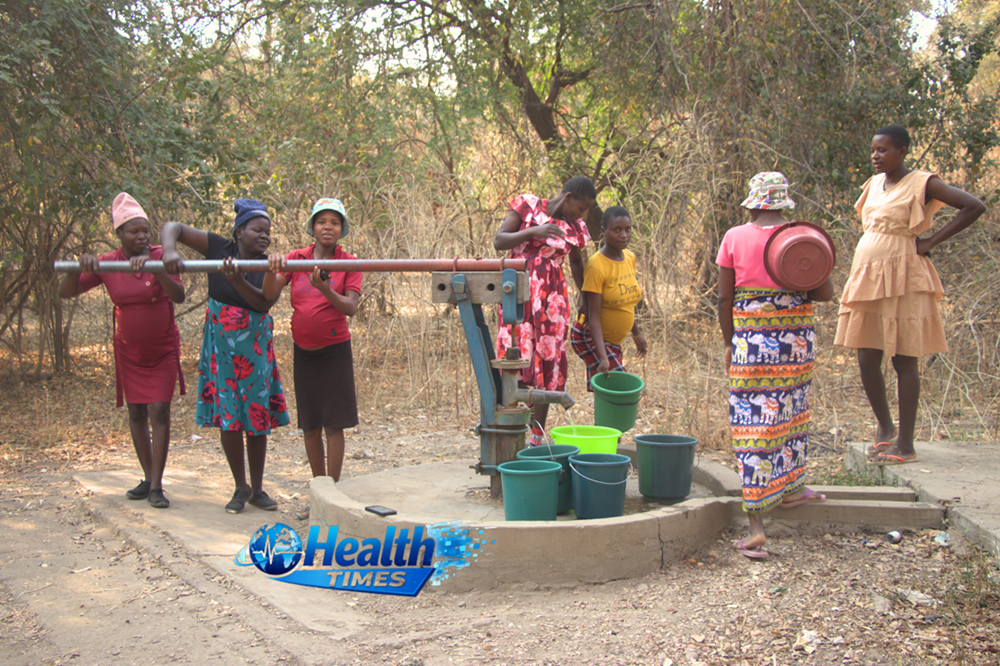
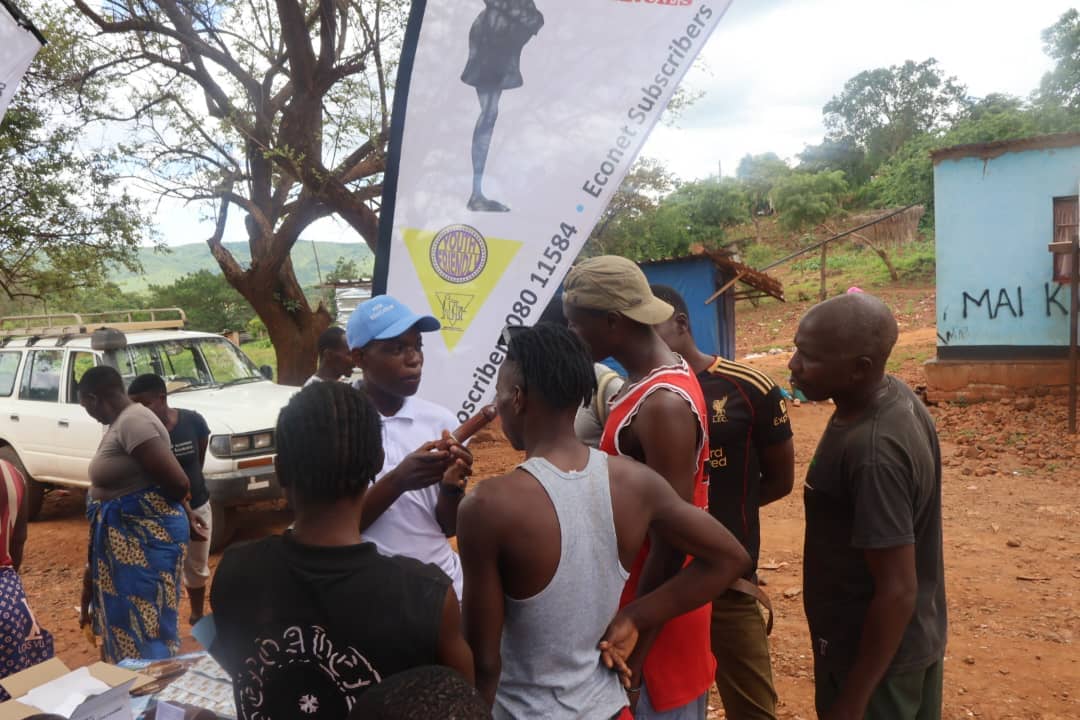
A village head in Shamva District said the presence of community-based distributors (CBDs) of family planning services had made information more accessible to men within communities. CBDs are mobile and reach people at their homes and workplaces.
“Because of having community-based distributors of family planning in the community, many men are now able to access information more easily. This has improved awareness and encouraged more men to participate in family planning discussions,” said Nobert Shongedza, village head at Hastings Farm.
Discussions during the engagements revealed that many men generally do not visit health facilities regularly and often only seek medical attention when they become seriously ill. This tendency limits their exposure to information on family planning and reproductive health services, leaving many without the knowledge needed to support informed family decisions.
“Community-based distributors are making efforts to bridge the information gap by bringing services and education closer to communities, particularly to men who may not ordinarily seek information at health facilities,” said Forget Muhomba, a CBD working in Shamva under ZNFPC.
To address this challenge, outreach programmes, community-based distribution initiatives, social media and workplace engagements are increasingly being used to reach men in the spaces where they spend most of their time.
During workplace sessions held across the districts in both the formal and informal sectors, discussions focused on men’s wellness, healthy lifestyles, STI and HIV prevention, communication with spouses and partners, parent-child communication, and the importance of taking an active role in family planning and reproductive health.
Male participants who attended the sessions acknowledged that increased engagement and access to information had changed their perspectives and encouraged them to become more involved in supporting reproductive health decisions within their households.
The engagements demonstrated that when men are intentionally included in conversations on family planning and reproductive health, they recognise their important role and become more willing to participate.