By Michael Gwarisa
Zimbabwe is recording nearly 12,000 influenza cases a week during the current seasonal peak, but the Ministry of Health and Child Care says there is no evidence that the country is experiencing a COVID-19 outbreak.
The ministry says laboratory testing conducted in cases where COVID-19 was clinically suspected has so far found no coronavirus infections, with all 302 tests conducted returning negative results.
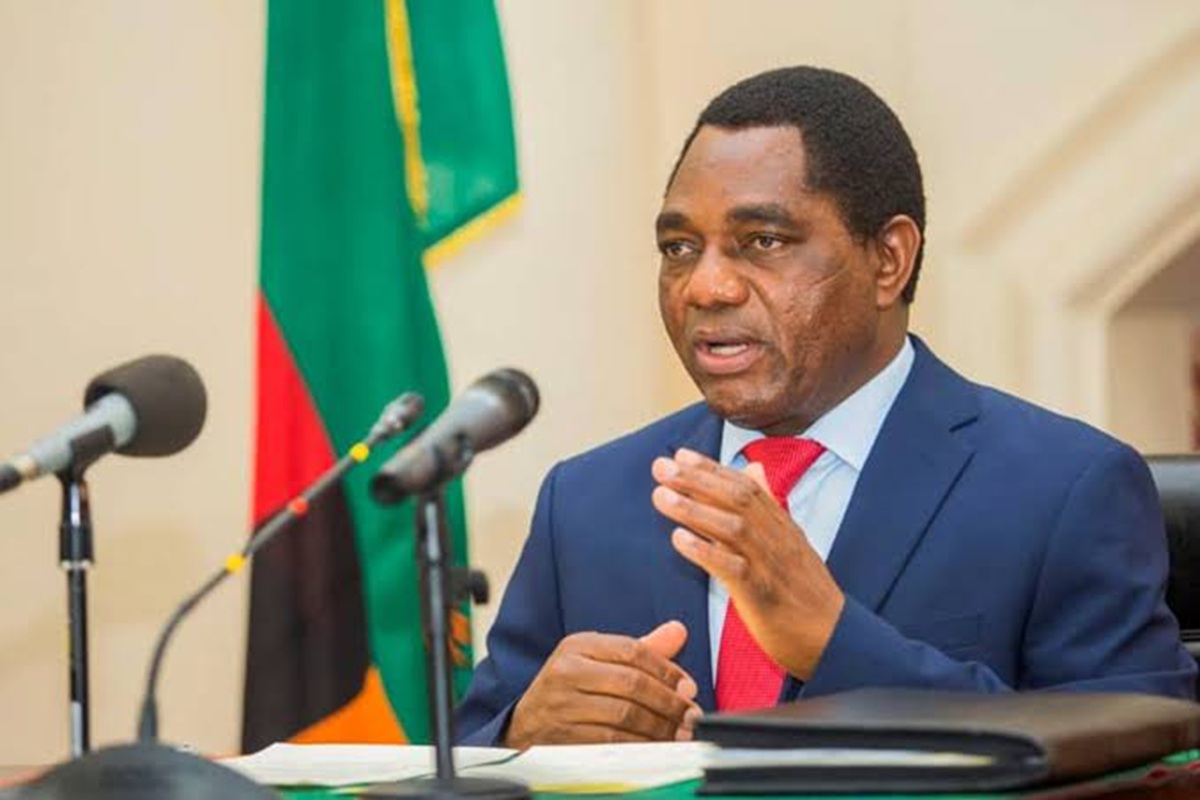
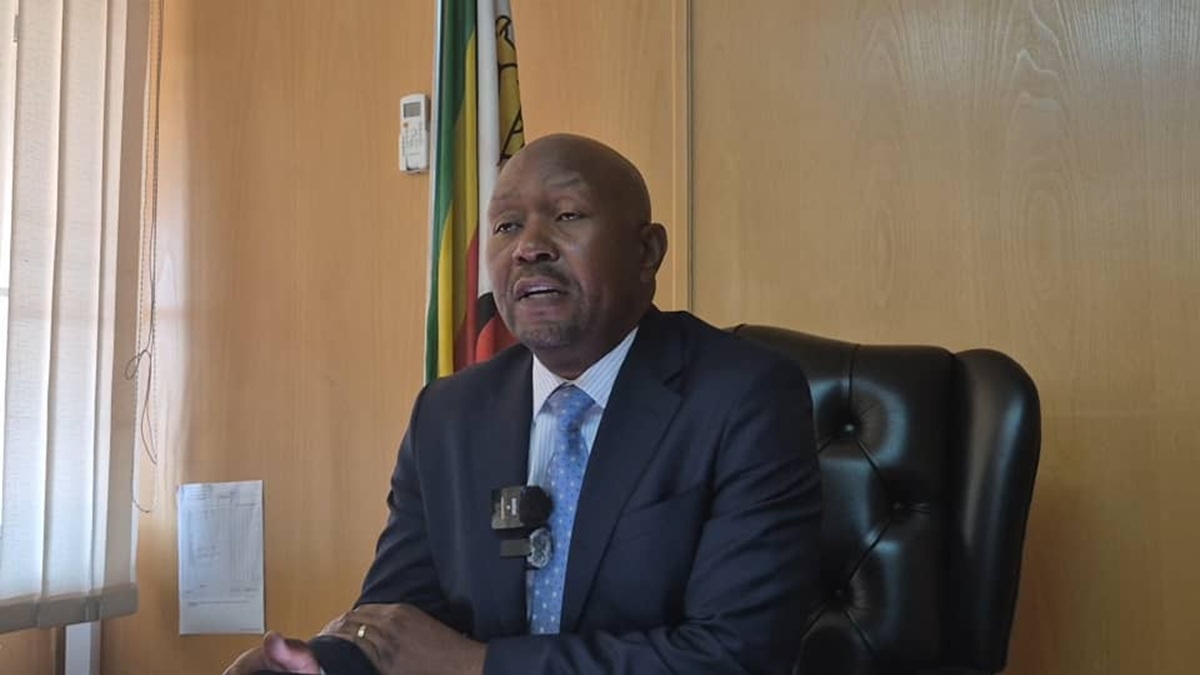
Speaking to journalists in Harare on Thursday, Ministry of Health and Child Care Permanent Secretary Dr Aspect Maunganidze said Zimbabwe was experiencing a seasonal increase in influenza, commonly known as flu.
“The Ministry of Health and Child Care wishes to inform the public that Zimbabwe is experiencing a seasonal increase in influenza, commonly called flu, consistent with the pattern normally observed in the country’s cold winter months,” Maunganidze said.
He said influenza activity usually peaks in July, but this year’s peak had occurred in August, coinciding with a prolonged cold spell across the country.
“While this represents a later than usual seasonal peak, there is no cause for panic or alarm,” he said.
The latest surveillance data shows that reported influenza cases have risen to nearly 12,000 per week during the current peak.
The announcement comes after a flu outbreak countrywide across all agegroups. In July at St Faith’s Mission in Manicaland, more than 300 students developed flu-like symptoms within a week, raising public concern over the possibility of COVID-19 or another respiratory outbreak.
However, laboratory surveillance has identified predominantly Influenza A and Influenza B viruses among samples tested, with no coronavirus detected.
Maunganidze said Zimbabwe had retained the capacity to test for COVID-19 despite the country no longer being in a declared COVID-19 epidemic.
“Currently, we don’t do routine testing for every person who presents to a health facility for COVID because we are outside the declared COVID epidemic as of now,” he said.
“However, we have retained our capacity for testing for special cases at our National Reference Laboratory here in Harare.”
He said health practitioners could request testing where COVID-19 was clinically suspected, alongside testing for other respiratory infections, including influenza.
“We have run quite a number of tests for special indications. So far, we have run 302 tests where it was indicated to test for COVID, and none of those results have shown coronavirus,” Maunganidze said.
Since January, four deaths have been reported in connection with influenza. The ministry, however, cautioned that influenza can aggravate underlying conditions, including asthma, tuberculosis, heart disease and other chronic illnesses.
People at greater risk of severe influenza include children under five, particularly infants, people aged over 65, pregnant women, people living with chronic conditions such as asthma, diabetes, heart and kidney disease, HIV, and those with weakened immune systems.
The ministry advised people to wash their hands regularly with soap and water or use alcohol-based sanitisers, cover their mouths and noses when coughing or sneezing, and minimise contact with others when experiencing flu-like symptoms.
Maunganidze said the government was not recommending universal mask wearing, but people with respiratory symptoms should consider wearing masks, particularly in crowded settings, and stay home where possible.
Most people with mild symptoms can recover at home with adequate rest, hydration and appropriate treatment for fever and body aches. Antibiotics do not treat influenza because it is caused by a virus and should only be taken when prescribed by a health professional.