By Michael Gwarisa
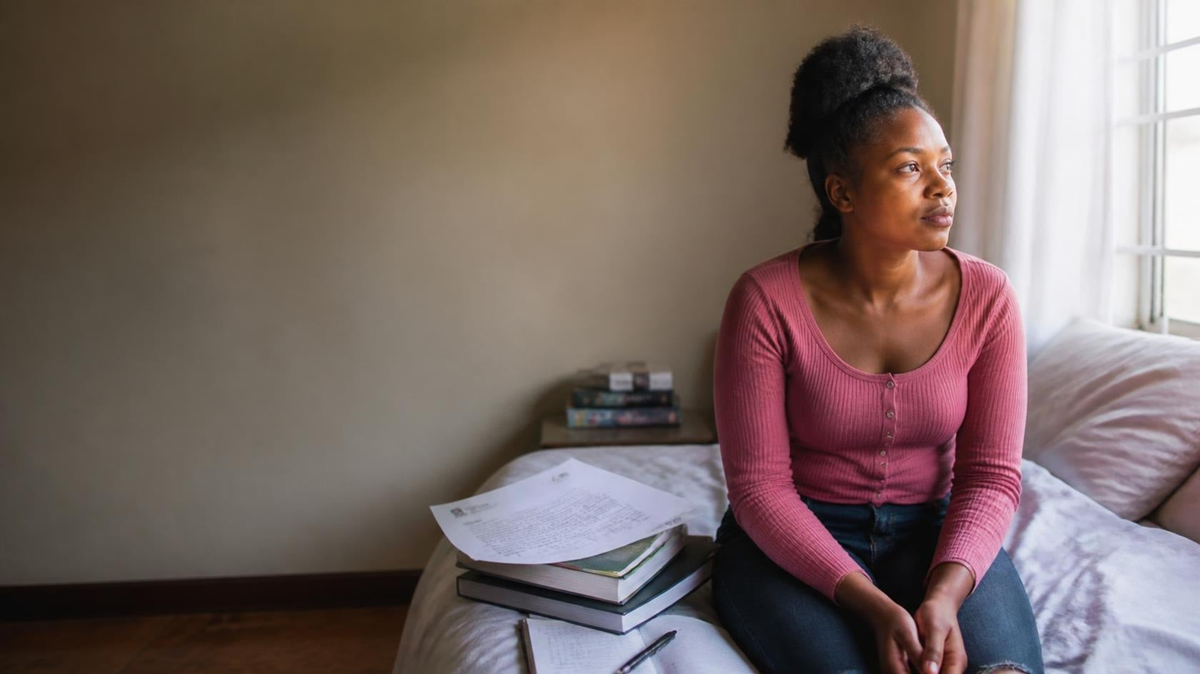
Tariro is only 19. A few weeks ago, she was on cloud nine.
She had just been accepted into university to study law. After years of hard work, good grades and determination, the future seemed to be falling into place. She had plans, the kind that belong to a young woman her age. Dreams to pursue, a career to build and a future she was only beginning to imagine.
Then she was raped.
In the days that followed came fear, confusion and trauma. There were questions she could not easily answer and memories she could not simply erase. She found herself trying to make sense of something that should never have happened to her.
Then came another shock. Tariro was pregnant.
Suddenly, her body had become the centre of a debate she had never asked to join.
People who had never met her could have strong opinions about what she should do. Some might believe she must continue with the pregnancy because every pregnancy deserves to continue. Others might argue that no survivor should be forced to carry a pregnancy resulting from rape.
Her family might have its own fears and expectations. Tariro is also a woman of faith, and she may now find herself trying to reconcile what happened to her with her own beliefs and the convictions of her church. The law may prescribe a particular process, while doctors must consider medical and legal requirements.
Yet, after everyone has expressed an opinion, Tariro remains the person who must live with the consequences.
Her body will change. She may have to attend medical appointments while still processing the violence she experienced. She may face questions from family and friends, fear judgment from her community and struggle with memories of the assault.
For everyone else, it may be a debate. For Tariro, it is her life.
When Everyone Has an Opinion, Who Listens to the Survivor?
That is perhaps the question at the centre of the difficult conversation surrounding pregnancy resulting from rape.
When a survivor becomes pregnant, the discussion can quickly move beyond her experience and become about abortion, religion, morality, culture, politics and the law. These are important conversations, and Zimbabweans are entitled to their deeply held beliefs. For many people, termination of pregnancy raises profound moral, religious and cultural questions.
But somewhere in the middle of those arguments is a person whose life has already been violently disrupted.
The survivor.
For Tariro, this is not simply an argument about whether someone supports or opposes termination of pregnancy. She is already dealing with the consequences of an act she never consented to. The violence may have lasted minutes or hours, but its effects did not necessarily end when the assault was over.
She may be living with the trauma of remembering what happened, fear of encountering the perpetrator again, or uncertainty about whether she will be believed if she reports the crime. She may have to recount her experience to family members, health workers, police officers, lawyers and others involved in her search for help.
Pregnancy can add another layer to that experience.
For some survivors, a pregnancy resulting from rape may become a physical and emotional reminder of the violence they experienced. For others, deciding what to do next may itself be agonising, shaped by their age, health, faith, family circumstances and personal beliefs.
There is no pretending that these decisions are simple. But that is precisely why the conversation cannot afford to ignore the person at the centre of it.
The Reality Behind the Debate
Tariro’s story is fictional, but the circumstances surrounding unintended pregnancy and abortion in Zimbabwe are real.
A national study conducted in 2016 estimated that approximately 66,847 induced abortions occurred in Zimbabwe that year. The research also found that 40 percent of pregnancies were unintended, while one in four unintended pregnancies ended in abortion. An estimated 25,245 women received post-abortion care in health facilities across the country.
These figures do not tell us how many pregnancies resulted from rape, nor do they explain the individual circumstances behind each woman’s decision. But they demonstrate that unintended pregnancy and abortion are part of Zimbabwe’s public health reality, whether society chooses to discuss them openly or not.
Behind those figures are women and girls with different stories and circumstances. Some may have experienced contraceptive failure. Others may have faced pregnancies they were not prepared for. Some may have been confronted by difficult health or social circumstances.
And then there are survivors of rape.
Zimbabwe’s Termination of Pregnancy Act provides for termination in limited circumstances, including where there is a reasonable possibility that a pregnancy resulted from unlawful intercourse, which the Act defines to include rape and certain cases of incest. However, the law does not create an automatic or straightforward pathway for a survivor. In cases involving alleged rape or incest, the survivor must first lodge a complaint with the authorities, after which a magistrate must issue a certificate before the procedure can be authorised at a designated institution.
This does not mean that every survivor will want to terminate a pregnancy, nor should anyone assume that there is one decision that is right for every woman or girl. Some survivors may choose to continue with the pregnancy, and they should receive the support they need. Others may wish to explore the options available to them under the law.
The important point is that behind every legal provision, policy debate and moral argument is an individual with her own circumstances.
Someone like Tariro.
She did not choose the sexual encounter that resulted in her pregnancy. She did not consent to it. Yet once she discovers she is pregnant, the conversation can quickly move away from the violence she experienced and towards what everyone else believes should happen to her.
That is where we risk losing sight of the survivor.
Compassion Cannot End When the Survivor Becomes Pregnant
There is something on which most of us can agree. Rape is wrong, and survivors deserve support, dignity, justice and appropriate healthcare.
We encourage survivors to report. We tell them to seek medical attention. We condemn those who blame them for the violence committed against them. But what happens when the survivor becomes pregnant?
Does our compassion continue, or does the conversation suddenly become more about everyone else’s beliefs than about the person who has already experienced violence?
This is a difficult question, particularly for those responsible for making decisions about laws, policies, healthcare and support systems.
Supporting survivors cannot end with condemning rape. A meaningful response must also consider what happens after the assault, including access to medical care, psychosocial support, justice and accurate information about the options available within the law.
It must also recognise that survivors are not all the same.
Some may be children or adolescents whose education and future prospects are at stake. Others may have been assaulted by relatives, partners or people they trusted. Their circumstances, beliefs and wishes will differ.
A one-size-fits-all response is unlikely to reflect the reality of survivors’ lives.
The conversation should not be about deciding in advance what every Tariro should do. It should be about ensuring that survivors are treated with dignity, given accurate information and supported through decisions that will have a profound effect on their lives.
Zimbabweans will continue to disagree about termination of pregnancy. Faith, culture, morality and deeply held beliefs about life will remain important parts of that conversation.
But disagreement should not make us forget the person at the centre of it.
A politician can make a speech about the issue and move on. A religious leader can preach about it. A commentator can write an opinion. Members of the public can argue about it on social media.
The survivor, however, cannot simply move on from what happened.
She has to live with it.
That is why, before we turn pregnancy resulting from rape into another ideological battle, we must first consider the person whose life has already been changed by violence.
Tariro never asked to be raped. She never planned the pregnancy that followed. Yet she may now find herself surrounded by people prepared to tell her what should happen next.