By Michael Gwarisa
“Sometimes we go the whole day without eating because there is no food at school.”
For one learner in Buhera District, the reality of school feeding is summed up in a single sentence.
For children who depend on meals provided at school, the availability of food can mean more than simply satisfying hunger. It can affect whether they attend school, how well they concentrate and whether they remain engaged in the classroom.
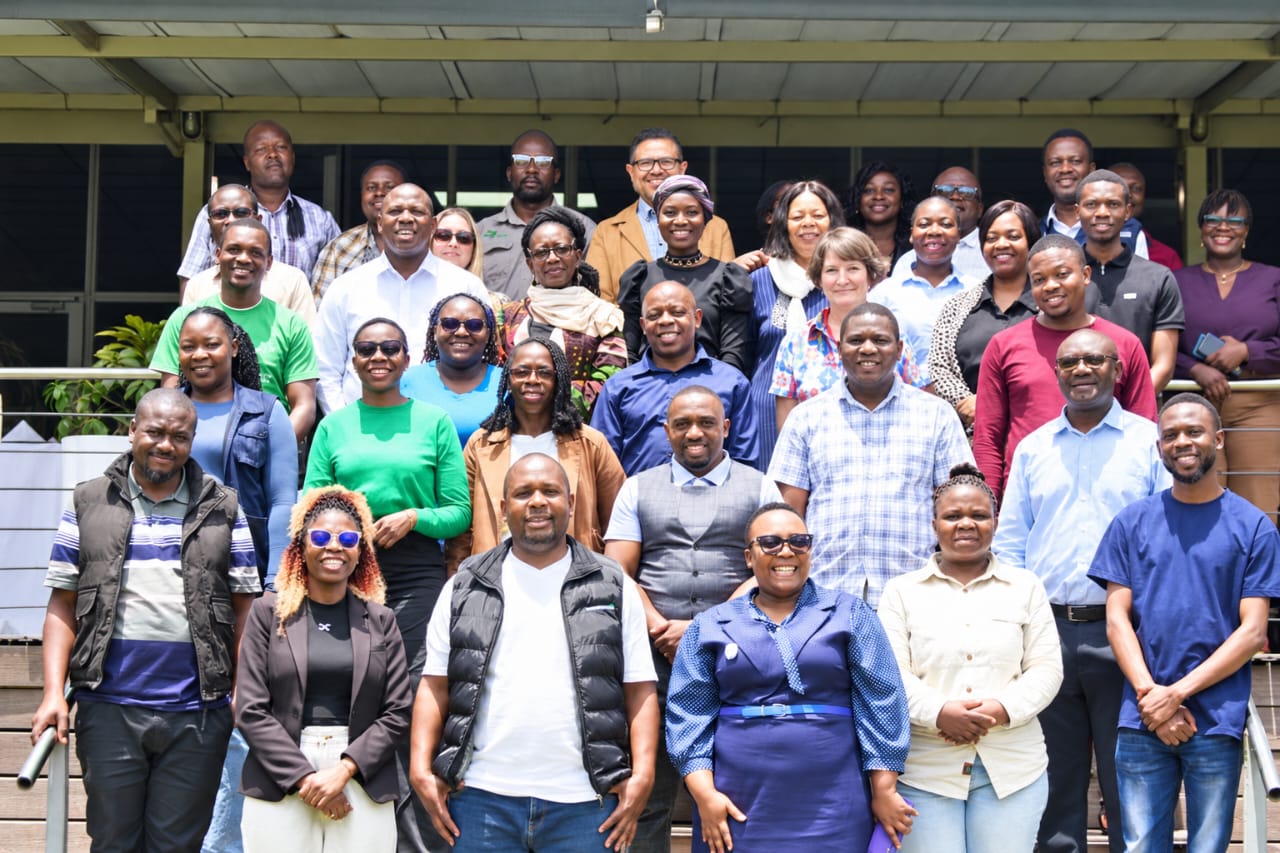
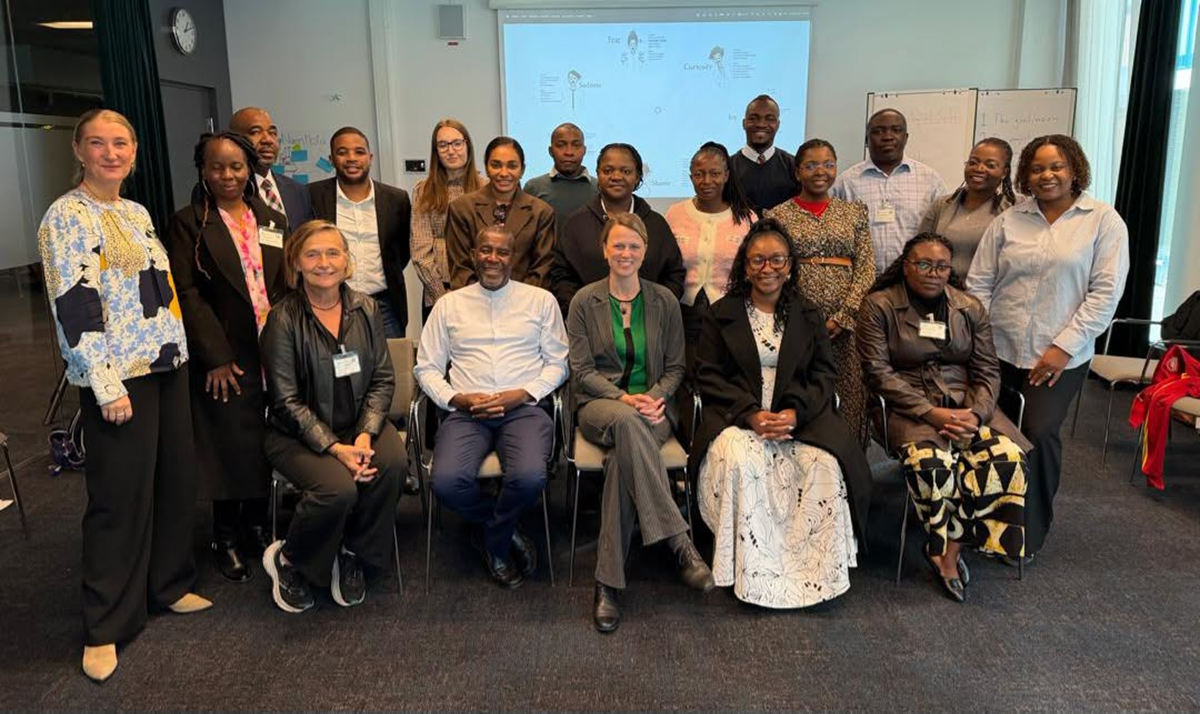
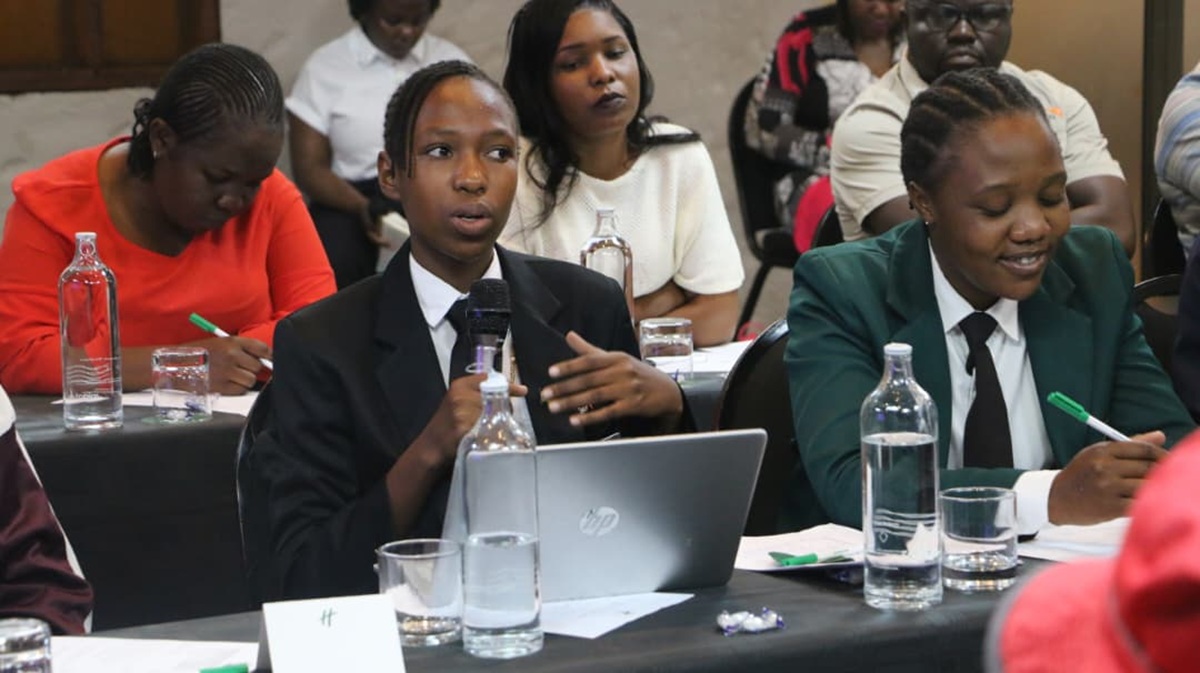
The testimony was among findings from a child-led research and dialogue process commissioned by World Vision Zimbabwe and presented at a High-Level National Dialogue on Strengthening Zimbabwe’s Home-Grown School Feeding Programme in Harare on Tuesday.
The findings point to a school feeding programme supported by a strong policy framework, but whose implementation remains uneven across schools and communities.
Children and other stakeholders identified inconsistent food supplies, inadequate financing, limited meal diversity, poor infrastructure, water shortages and limited awareness of school nutrition guidelines among the challenges affecting the programme.
For the children who took part, however, these were not simply policy issues. They were experiences from their own schools and communities.
Children gather their own evidence
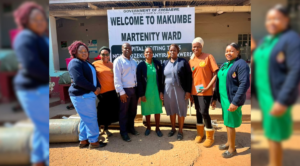
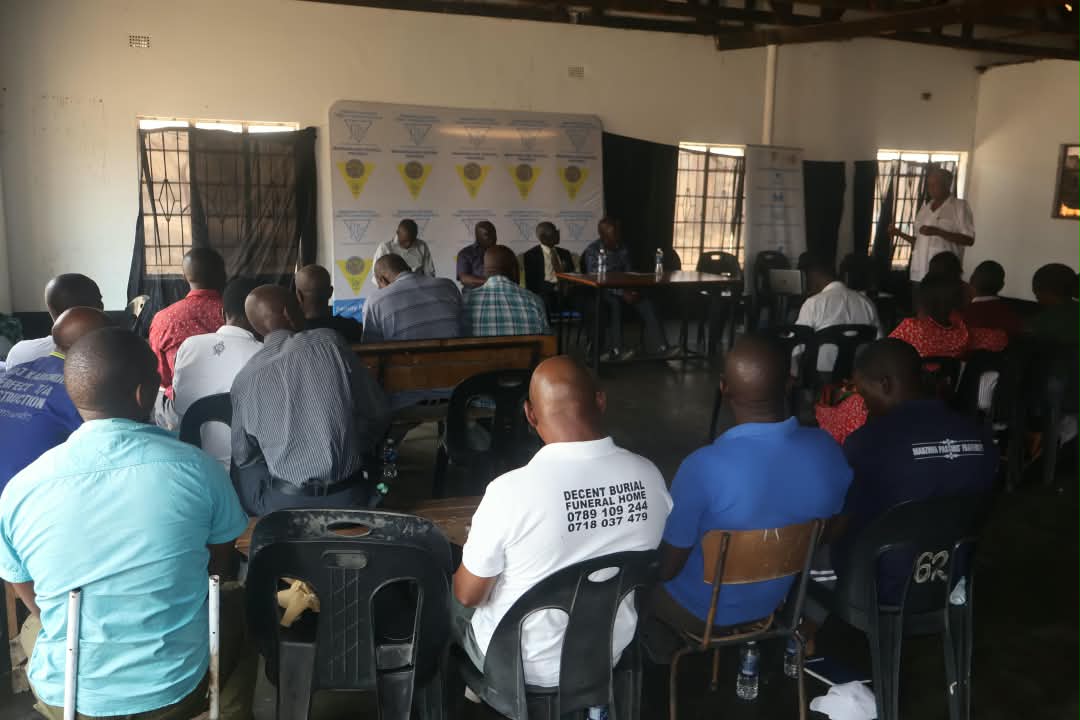
Between April and June 2026, World Vision Zimbabwe, in partnership with the Zimbabwe Civil Society Organisations Scaling Up Nutrition Alliance (ZCSOSUNA), facilitated six policy dialogues in Buhera, Mangwe and Wedza.
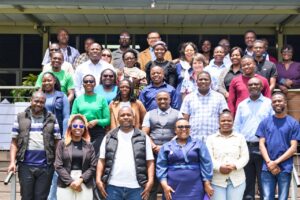
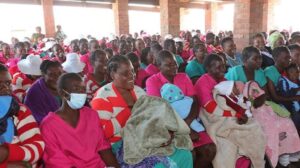
The dialogues brought together 250 participants, including children, parents, teachers, School Development Committees, government officials, vendors and community leaders.
Children were involved in gathering evidence and discussing the challenges facing school feeding in their communities.
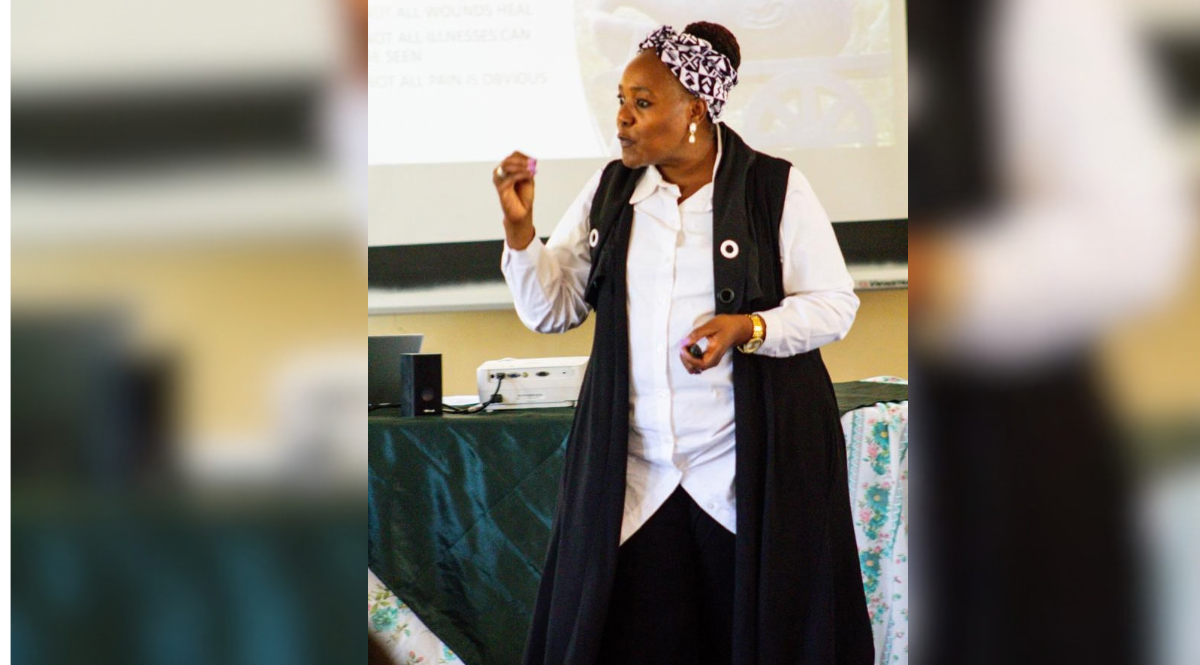
Tadiwanashe Mashonganyika, who delivered the main section of the children’s presentation, said the young researchers wanted their advocacy to be based on evidence.
“We had to show you statistics so that you knew that what we are actually talking about wasn’t coming from our head or wasn’t coming from what we saw on Google, but what is actually happening on the ground,” Mashonganyika said.
The child-led work examined access to school meals, equity, quality and sustainability.
The children also held community dialogues and peer discussions, participated in agricultural shows and established gardening clubs at some schools.
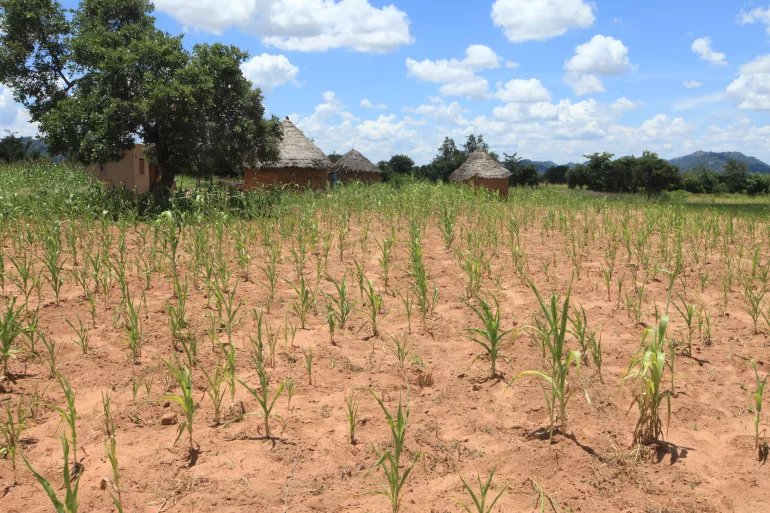
The gardens, where children grew vegetables such as onions and carrots, were intended to supplement school meals while showing how schools could contribute to their own food supply.
When the meal is not there
The experiences shared during the dialogues show why consistency matters. A learner from Mangwe said children wanted more variety in their meals.
“We want more vegetables and meat because sadza and cabbage every day becomes difficult to eat,” the learner said.
In Hwedza, another learner reported that attendance was generally higher on days when meals were provided than on days when they were not.
And for another learner in Mangwe, the demand was simple:
“We are not asking for much, all we need is one hot meal.”
The comments mirror the broader findings, which identified financing and food supply as significant challenges.
Some schools reportedly provide meals only once or twice a week, while others reduce portions or suspend feeding when food stocks run out.
Zimbabwe has the policies
Zimbabwe adopted the Home-Grown School Feeding Programme in 2016, seeking to improve child nutrition while supporting education, local agriculture and community development.
Government has since introduced several policies and guidelines, including the Multi-Sectoral Food and Nutrition Strategy, Home-Grown School Feeding Programme operational guidelines and School Nutrition Guidelines.
In 2025, Statutory Instrument 13 of 2025 mandated schools to provide at least one hot meal per learner each day.
Schools were also encouraged to establish School Business Units, including nutrition gardens, livestock projects and orchards, to help make feeding programmes more sustainable.
But the dialogue findings suggest that having policies in place does not automatically mean every school has the resources or capacity to implement them consistently.
Financing remains a challenge
Nutritionist Kudakwashe Zombe, a nutritionist with ZCSOSUNA, said Zimbabwe had made important progress in establishing a policy framework but that financing remained central to the sustainability of school feeding.
The dialogues found that some schools struggle to provide meals consistently because of limited financial resources.
Secondary day schools were particularly affected, with some reporting little or no government support for sustaining feeding programmes.
Schools also need basic ingredients such as cooking oil, tomatoes and vegetables to improve the nutritional value and variety of meals.
The children highlighted water as another practical obstacle.
Some schools share water sources with surrounding communities, creating competition between household needs and school gardens.
The children welcomed government efforts to improve water access but called for more investment in reliable water systems that can support both schools and communities.
Policies are not always reaching schools
Another finding was limited awareness of existing policies. Many school heads, teachers and food preparers reportedly have limited knowledge of SI 13 of 2025, the School Nutrition Guidelines and the Home-Grown School Feeding operational guidelines.
Most schools had not received formal orientation or training, according to the policy brief produced by ZCSOSUNA and World Vision Zimbabwe. This has contributed to differences in how school feeding is implemented across districts.
Meal planning is another concern.
Many schools reportedly lack functional feeding committees and standardised menus, with meals often determined by food donated by communities or whatever is available. Learner preferences are rarely considered. For children, this can mean repeatedly eating the same meals.
Secondary learners ask: what about us?
The exclusion of secondary schools was one of the concerns raised by the child researchers.
Mengezi Zondo, who presented a case study, said the researchers initially focused on schools that were currently implementing or had previously implemented feeding programmes. They later realised that this approach was leaving secondary schools largely outside the picture.
The case study covered an area with 24 schools, including 17 primary schools. While some primary schools had active or intermittent feeding programmes, secondary schools did not have active programmes.
The children argued that hunger does not end when a learner leaves primary school. Zondo linked food insecurity among secondary school learners to wider vulnerabilities, including child marriage and substance abuse.
The children also highlighted the nutritional needs of school athletes, who require adequate energy to participate in sporting activities.
They are therefore calling for school feeding to be extended to secondary day schools.
The school food environment matters too
The discussion also moved beyond the food served inside schools.
The ZCSOSUNA-World Vision policy brief found that vendors around schools commonly sell inexpensive, energy-dense and nutrient-poor foods because they are profitable and require little storage.
Chik Chikanda, Nutrition Manager in the Ministry of Health and Child Care, said efforts to improve children’s nutrition should therefore also consider what children encounter in the wider school environment.
She highlighted food labelling as one area requiring greater attention. Chikanda said teaching children to understand food labels could help them make healthier choices.
“If they are taught in school to say, stop this, go, they will know, no, the food I’m supposed to eat, this one is red, no, mama, no, at school they taught us this,” she said.
She also raised concerns about advertising aimed at children, particularly around schools. Chikanda said Zimbabwe had good nutrition policies but they needed to be regularly reviewed to respond to emerging challenges.
Children want a voice
The young researchers are also asking for a greater role in decisions about school nutrition.
Audrey Marara called for stronger monitoring of school feeding, saying monitoring should look beyond whether food is being served to what children are actually eating.
“We said that it is mandatory that the school meals are monitored. However, our ask is for strict monitoring,” Marara said.
The children want representatives included in committees dealing with school nutrition so learners can directly communicate the challenges they experience.
They are also calling for increased financing, stronger parliamentary oversight, investment in kitchens, storage facilities, water and sanitation, and greater support for School Business Units.
The policy recommendations also include stronger links between schools and smallholder farmers, women and youth-led agricultural enterprises, allowing school feeding to support both nutrition and local food production.
More than a meal
For the children involved in the research, however, the issue remains straightforward. They want to go to school knowing that there will be something nutritious to eat.
Beyonce Chihwai, who delivered the closing remarks, said school feeding should be understood as more than simply providing food.
“The school feeding programme is not just about food. It’s about dignity, attendance and learning,” Chihwai said.
Zimbabwe has put policies in place to support that ambition. The evidence gathered by children and stakeholders suggests the next step is making sure those commitments translate consistently into meals on children’s plates.