By Michael Gwarisa
A digital platform designed to help screen artisanal miners for silicosis has won the third edition of the Cimas Healthathon, putting a spotlight on the potential of locally developed technology to address some of Zimbabwe’s most persistent healthcare challenges.
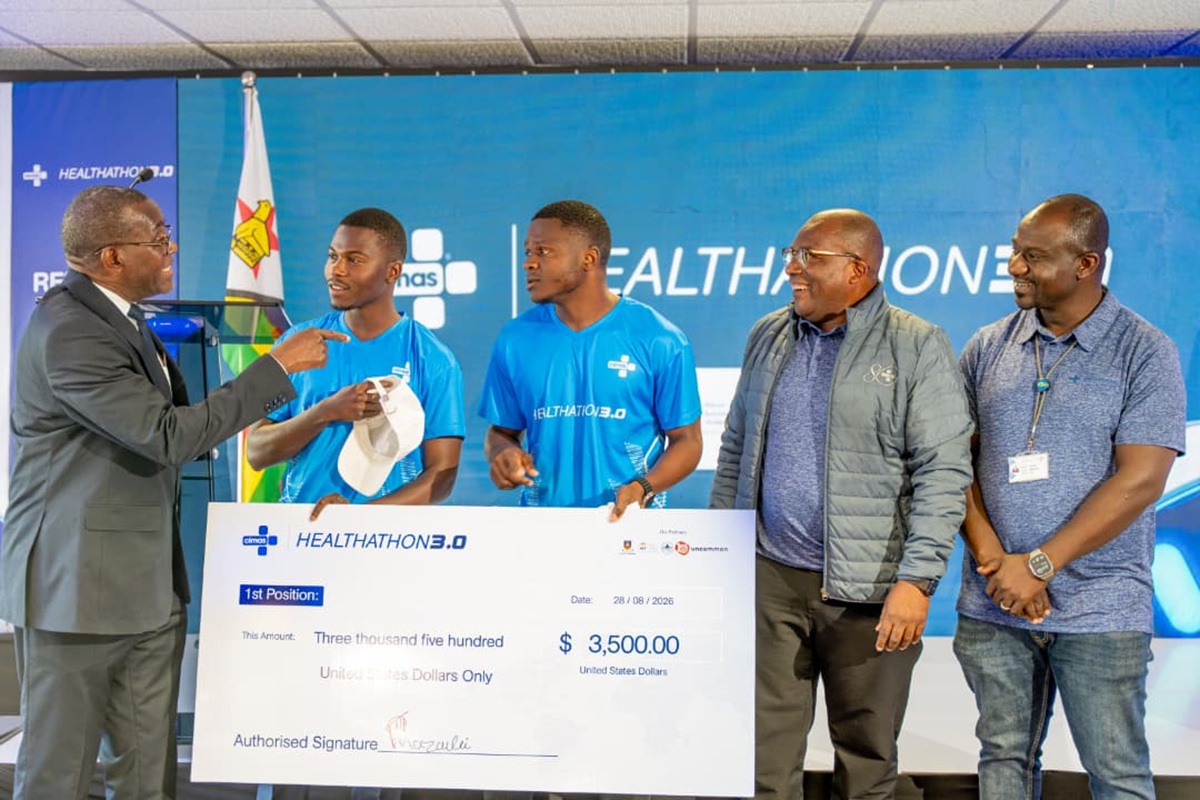
SilicaGuard, developed by two Chinhoyi University of Technology (CUT) graduates and a medical doctor, emerged as the overall winner at the Cimas Healthathon 3.0 grand finale held in Harare on Friday.
The team received US$3,500 for taking first place, while Runtime Terrors and Blood Geo Alert finished second and third, receiving US$2,000 and US$1,500 respectively.
For SilicaGuard team member Panashe Chandinwana, the victory was the culmination of months of work that began with identifying the health risks faced by miners exposed to silica dust.
“We are very happy about this win. We owe it to God,” Chandinwana told HealthTimes.
Chandinwana, who recently graduated with a first-class degree in information systems, developed the platform with fellow graduate Takudzwa and a junior medical doctor who helped the team understand the realities of silicosis and the needs of people working in mining communities.
The team said the idea was inspired by an article on silicosis, after which they sought to understand the problem beyond the classroom by engaging people working on the ground.
SilicaGuard combines artificial intelligence with USSD technology to provide lung-health risk screening, particularly for artisanal miners and people living in communities with limited internet connectivity.
Its USSD component allows users to access the service through basic mobile phones, without requiring smartphones or internet access. The platform can assess a user’s risk, support referrals for further examination and track whether referred patients reach a health facility.
The innovation is particularly significant in a country where occupational health challenges in mining communities can be difficult to detect and follow up, especially among workers who may have limited access to formal healthcare services.
The achievement came as Government called for greater collaboration between the public and private sectors to expand access to healthcare and accelerate the adoption of innovations that can improve patient outcomes.
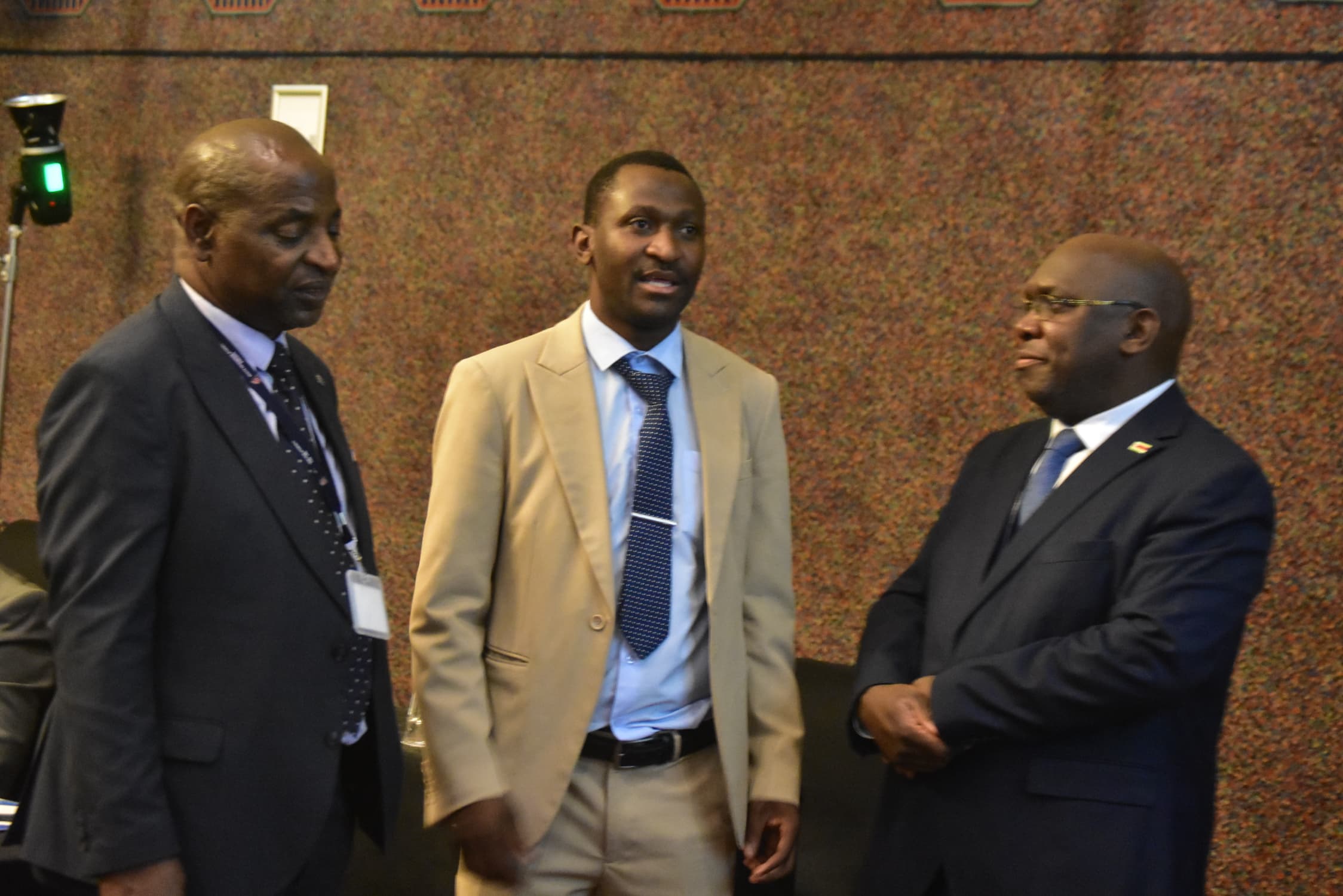
Representing Health and Child Care Minister Dr Douglas Mombeshora at the event, Chief Director for Public Health Dr Celestino Dhege said innovation should ultimately be judged by the difference it makes to patients rather than by the technology behind it.
“Digital tools are a powerful enabler, but the real innovation lies in the outcomes we deliver for our people,” Mombeshora said in a speech delivered on his behalf.
The Minister challenged innovators to develop solutions that serve the wider population, particularly rural communities, low-income households, elderly people and people with disabilities.
He also called for increased private-sector investment in healthcare, saying Government could not, and should not, work alone.
“Government sets policy, provides public health leadership and regulates the sector. But Government cannot, and should not, work alone,” he said.
Mombeshora singled out Cimas, which has operated in Zimbabwe since 1945, as an example of long-standing private-sector participation in the country’s health and wellness sector, while urging more private players to invest capital, expertise and infrastructure into healthcare.
The Minister also used the platform to call for improved relations between healthcare providers and medical aid societies, particularly over disputes involving tariffs, co-payments and delayed payments.
He said patients ultimately bear the cost when providers and funders fail to resolve their differences.
“Doctors and medical aids are not adversaries. You are partners serving the very same patient,” he said, urging both sides to return to the negotiating table and agree on fair and sustainable tariffs.
The Minister further invited medical aid societies, healthcare providers, actuaries, academics, technologists and innovators to contribute to the development of Zimbabwe’s proposed National Health Insurance, which Government sees as central to achieving Universal Health Coverage.
For Cimas Group Chief Executive Officer Vulindlela Ndlovu, the growing response to the Healthathon demonstrated the depth of innovation talent in Zimbabwe.
The first edition of the competition attracted just six submissions, while subsequent editions recorded 21 and then progressively larger numbers. This year, Cimas received 372 submissions from all 10 provinces before the field was narrowed to the finalists.
Ndlovu said the numbers mattered, but what was more important was what they represented.
“They represent young people who looked at a problem and decided not to walk away,” he said.
The finalists presented solutions addressing challenges ranging from diagnostics and preventive care to emergency response, rehabilitation, medication management, data protection and fraud detection.
For the SilicaGuard team, however, the next challenge begins after the prize.
The Healthathon has provided recognition and funding, but turning the prototype into a tool used by miners and healthcare workers will require further development, validation and partnerships.