By Michael Gwarisa
Zimbabwe Civil Liberties and Drug Network (ZCLDN) has challenged the country’s rollout of lenacapavir, raising concern that people who use and inject drugs are being left out while other key populations have been identified among the priority groups for the HIV prevention technology.
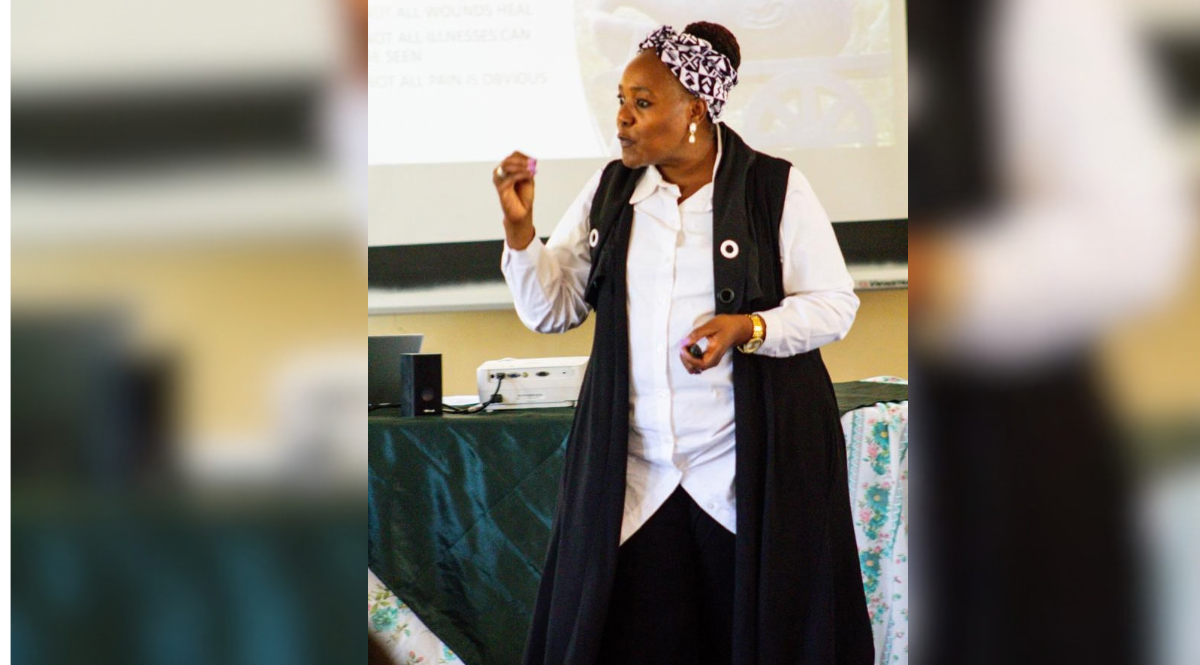
Speaking at a media advocacy dialogue in Harare on Tuesday, Zimbabwe Civil Liberties and Drug Network (ZCLDN) Executive Director Wilson Box said journalists have an important role to play in pushing for inclusive access to the prevention technology, particularly for people who use and inject drugs.
The dialogue was held under the Power of Prevention (PoP) Project and focused on equitable access, domestic financing and the inclusive rollout of lenacapavir among key and vulnerable populations.
Box said Zimbabwe has about 1.3 million people living with HIV, with adult HIV prevalence estimated at 10.5 percent, while the country is also facing declining donor support for HIV programmes.
“So, a very important question in your minds is why the POP project and this dialogue at this moment in time?” Box said.
“We can actually see that 1.3 million people are living with HIV in Zimbabwe and the adult prevalence is at 10.5%. So there is a big gap there, but at the same time, the opportunities presented there is that a new HIV prevention technology, lenacapavir, that is a twice yearly injectable PrEP, which has got 99% effectiveness, it is already rolled out in Zimbabwe.”
Zimbabwe began administering lenacapavir in February 2026, with an initial target of more than 46,000 people at high risk of HIV across 24 sites, according to the PoP concept note. The twice-yearly injection reduces the adherence burden associated with daily oral PrEP and can offer greater privacy and discretion.
However, the programme faces an inclusion challenge.
The concept note states that people who use and inject drugs have not been consistently named among the priority groups in public communication around the rollout, despite being identified as a target population under Zimbabwe’s National HIV strategic plan. Other named groups include sex workers, adolescent girls and young women, men who have sex with men, and pregnant or breastfeeding women.
Box said the gap must be addressed alongside the growing challenge of financing HIV prevention.
“The power of prevention response is saying that it is actually a small grants initiative to mobilise key population-led organisations, including Zimbabwe Civil Liberties and Drug Network, to advocate for domestic financing, and also creating an enabling policy environment, and also to give evidence-informed HIV prevention planning,” he said.
The financing question is becoming increasingly urgent as Zimbabwe’s HIV response remains heavily reliant on external support. The concept note says current lenacapavir supply is donor-financed through the Global Fund, while the continuation of funding at current levels is not guaranteed. It identifies the 2027 National Budget Strategy Paper process as an important opportunity for advocacy around domestic financing for HIV prevention commodities.
Anonzi Humphrey Ndondo said the changing funding environment made it necessary for countries to rethink how HIV prevention programmes are designed and financed.
“I think the challenge is that we are seeing the funding landscape for HIV programming has changed, yet we are seeing some new innovations around HIV prevention in the form of lenacapavir, as pre-exposure prophylaxis is being rolled out,” he said.
Ndondo described lenacapavir as a potential game changer, but stressed that its introduction must be accompanied by practical approaches that respond to the needs of communities.
“We are talking about the new innovation for preventing HIV transmission for those that are already HIV negative,” he said.
He said the HIV response also needs to move towards person-centred prevention, with services designed around the realities of the people who need them.
“People-centred design and communication will catalyse behavioural uptake of the intervention,” Ndondo said, adding that prevention services should be accessible through community and outreach models, as well as public and private healthcare platforms, while remaining stigma-free.The discussion also placed domestic health financing under scrutiny, particularly Zimbabwe’s commitment under the Abuja Declaration to allocate at least 15 percent of national budgets to health.
The PoP concept note calls on journalists to track health allocations against the Abuja benchmark and use the commitment as a recurring accountability issue in reporting on HIV prevention financing.
For Box, media engagement should ultimately translate into sustained public-interest reporting that gives affected communities a voice.
“We are kindly asking you to apply people-first, non-stigmatising, human rights-based reporting that amplifies community voice alongside official sources,” he said.
The dialogue therefore seeks to move beyond a one-day sensitisation exercise by encouraging participating journalists to pursue follow-up stories on lenacapavir access, domestic financing and inclusive rollout. The initiative also envisages a network of informed journalists who can continue reporting on HIV prevention and hold policymakers accountable beyond the activity itself.