
By Michael Gwarisa
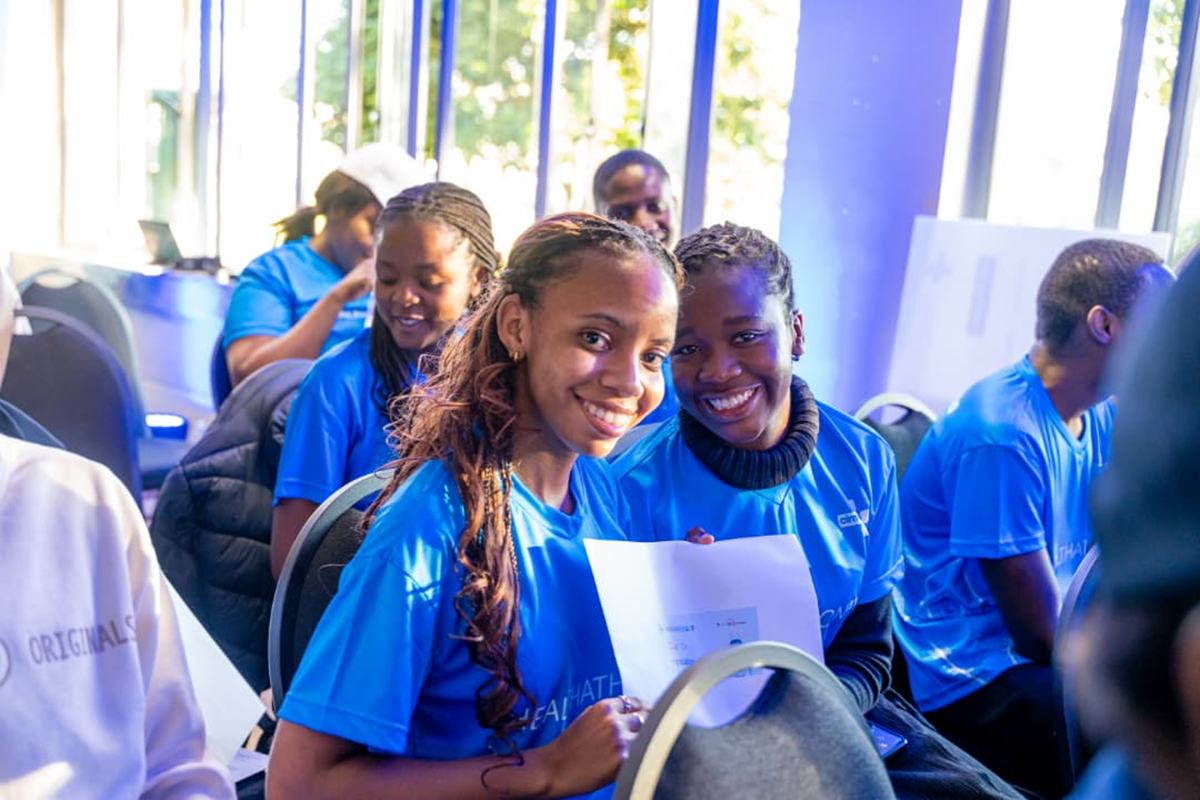
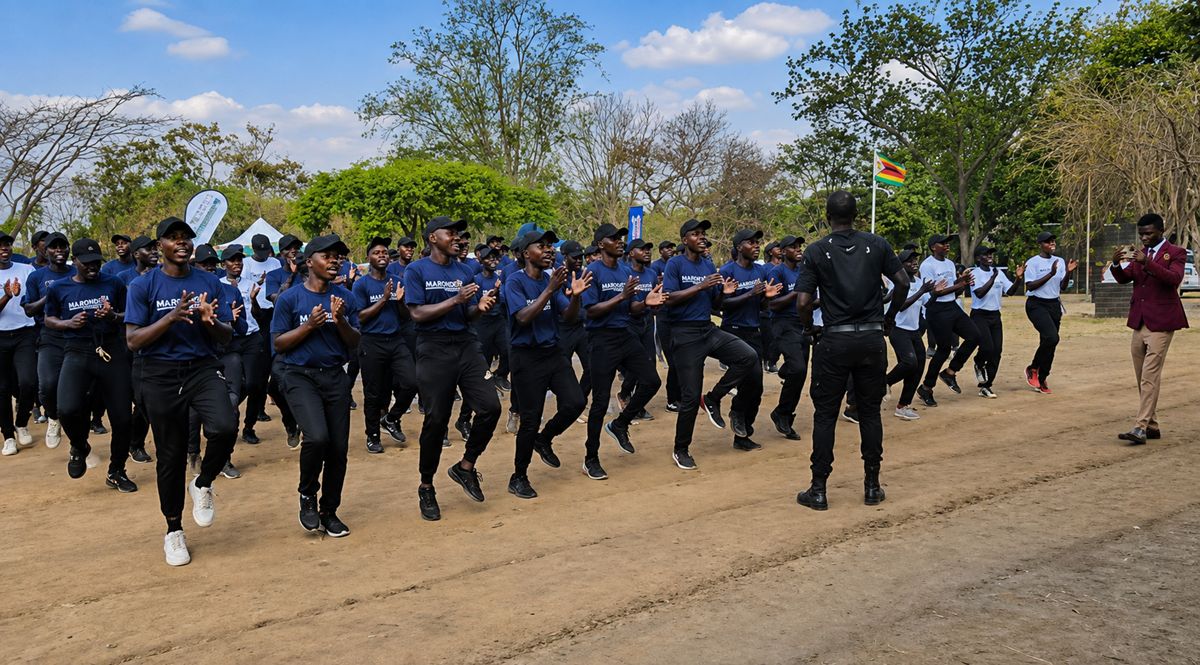
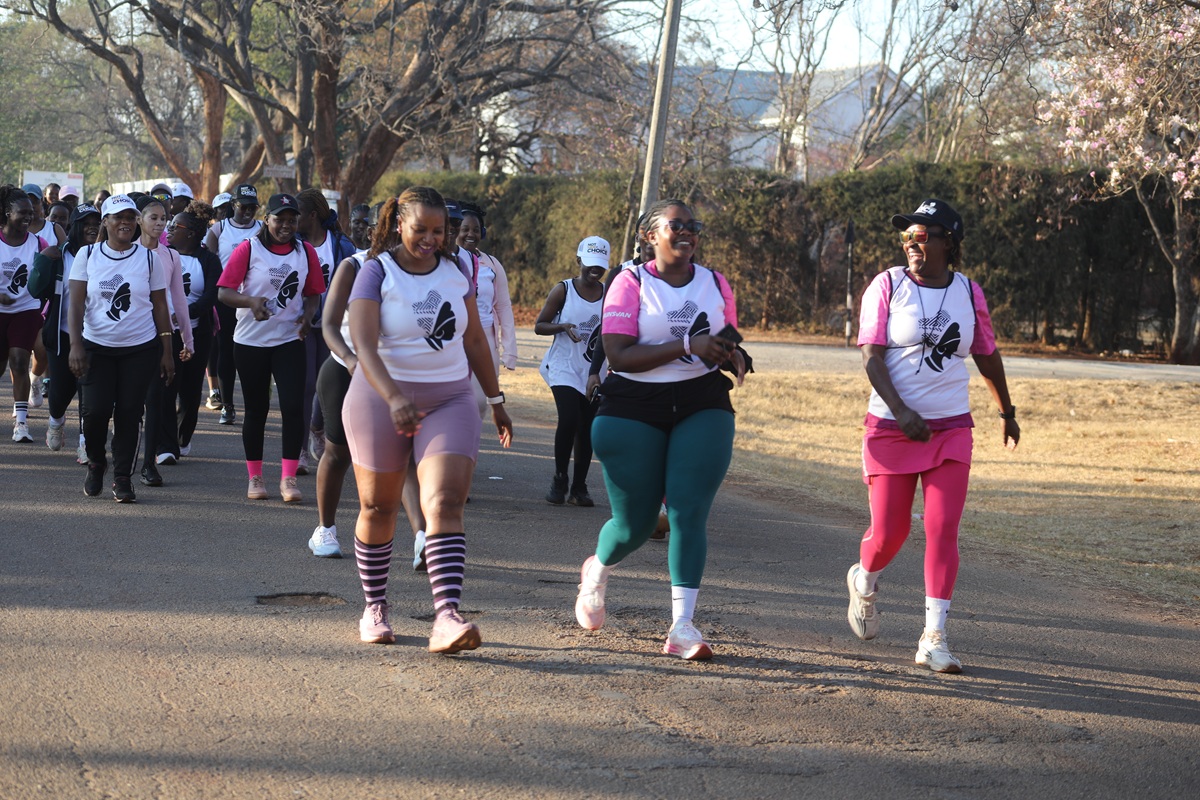
Women and girls took to the streets in Harare in solidarity with girls and young women facing the burden of early, unwanted and unintended pregnancies in Zimbabwe.
The walkathon, organised by DatCitizen, saw participants carry backpacks deliberately weighted with books and sand to symbolise the burden pregnancy can place on a girl’s education, health and future.
Dubbed the Not Her Choice Backpack Walk, the initiative seeks to raise awareness of teenage pregnancy, sexual abuse and reproductive health challenges while calling for progress in the review of Zimbabwe’s Termination of Pregnancy Act (TOP Act).
The campaign comes against a backdrop of persistently high adolescent pregnancy rates in Zimbabwe. UNICEF estimates that 22 percent of adolescent girls aged 15 to 19 have begun childbearing, while the World Bank’s latest data puts Zimbabwe’s adolescent fertility rate at about 96 births per 1,000 girls aged 15 to 19 in 2024.
The consequences are increasingly visible in classrooms.
In 2023, 4,557 girls dropped out of school because of pregnancy, according to figures presented in Parliament by Primary and Secondary Education Minister Torerai Moyo. Of these, 3,942 were from rural schools, while 134 were still in primary school.
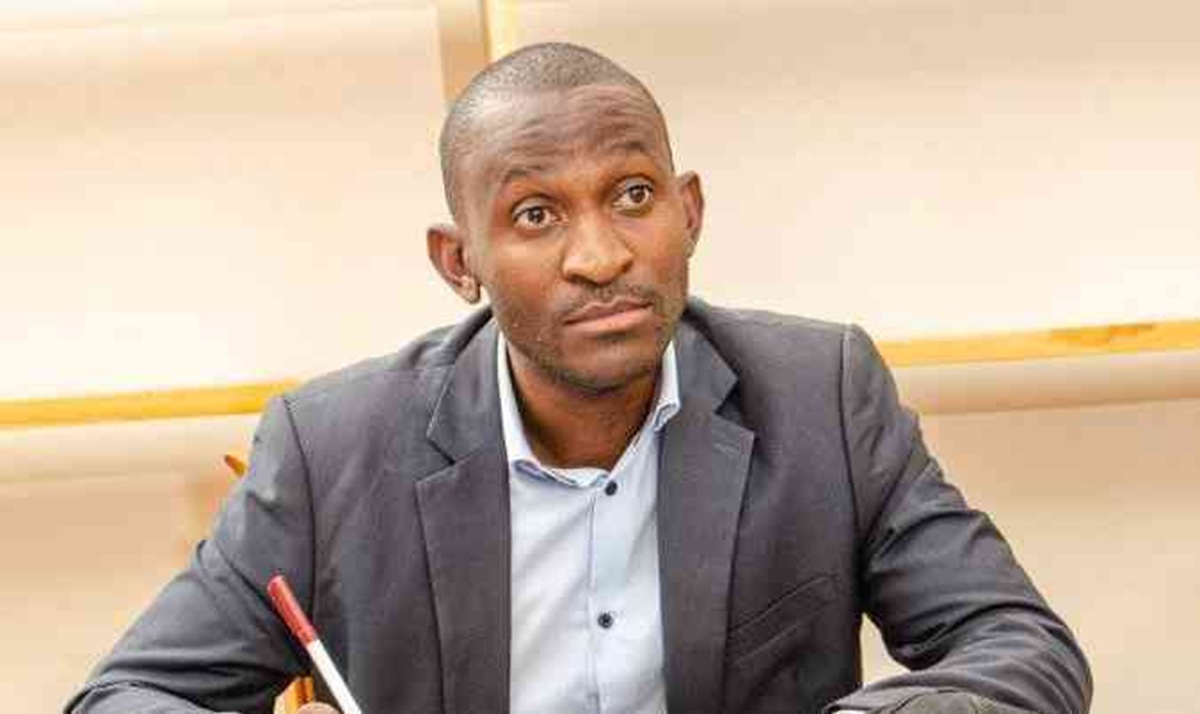
For DatCitizen’s Nyasha Mudavanhu, the figures represent girls whose futures can be disrupted before they have had an opportunity to make decisions about their lives.
“Every day in Zimbabwe, a girl leaves school pregnant and doesn’t return. Some are as young as 14,” Mudavanhu said.
He said the problem was not simply about pregnancy, but also about whether girls could access appropriate healthcare when they needed it.
Mudavanhu said some girls who cannot access safe and legal healthcare may resort to unsafe or clandestine options, putting their lives at risk.
Research supports the concern about the consequences of unintended pregnancy among adolescents. A Guttmacher Institute study estimated that Zimbabwean adolescents experienced about 45,000 unintended pregnancies in 2016, representing 17 percent of all unintended pregnancies recorded that year. The study estimated that about 4,100 induced abortions occurred among adolescents.
The same research found that only nine percent of unintended pregnancies among adolescents ended in abortion, suggesting that most unintended adolescent pregnancies were carried to term.
Against this background, the backpacks carried by participants became a powerful visual representation of what girls can lose.
“Each backpack we carry today is symbolically weighted, with books, with sand,” Mudavanhu said.
He explained that the weight represented the education, health and future that a girl can lose when systems fail her.
“We walk together not to point fingers, but to stand with her,” he said.
For participants such as Chichi Madanhi, the walk was also about making girls’ reproductive health and safety a collective concern.
“I am here to show solidarity to the girl child. ‘Not Her Choice’ is the theme and I feel it is important to support the girl child,” Madanhi said.
She said the campaign was also a call to address teenage pregnancy and improve access to reproductive health education while raising awareness of sexual abuse affecting teenage girls.
Prasie Chiraviro, another participant, said girls faced multiple challenges affecting their reproductive health and overall wellbeing.
“This is important for the girl child because girls are exposed to many difficulties concerning their reproductive health and overall wellbeing, including sexual violence,” Chiraviro said.
She said some girls may not understand the challenges they face until the consequences begin affecting their lives, including being forced to leave school.
For DatCitizen, the walk is therefore about more than carrying a heavy backpack. It is a call to recognise the weight that unintended pregnancy, sexual violence and inadequate access to reproductive healthcare can place on girls.
The campaign is also urging Parliament to move forward with the review of the TOP Act, which Mudavanhu said could help strengthen protections for girls and women.
At the end of the walk, participants were encouraged to add their voices by signing a petition supporting the campaign.
For those carrying the backpacks, the message was simple: the burden should not be placed solely on the girl. “This is Not Her Choice. Make it yours.”