

By Michael Gwarisa
The United States has formally signalled a new direction in its relationship with Zimbabwe, shifting the emphasis from decades of health and humanitarian assistance towards trade, investment and broader economic cooperation following the collapse of a proposed bilateral health agreement.
US Ambassador to Zimbabwe Pamela Tremont made the announcement on Tuesday at a “Beyond Assistance” reception in Harare, describing the occasion as the beginning of a new chapter in relations between the two countries.
“The event marks a pivotal moment in U.S.-Zimbabwe relations, celebrating the transition from health assistance to a new era of collaboration in other areas of mutual interest, including trade,” Ambassador Tremont said.
The shift follows Zimbabwe’s decision earlier this year to withdraw from negotiations on a proposed bilateral health Memorandum of Understanding under the United States’ America First Global Health Strategy.
The proposed agreement, reported at about US$367 million over five years, was intended to provide a new framework for US support to Zimbabwe’s health sector, including HIV/AIDS, tuberculosis, malaria, maternal and child health and disease outbreak preparedness.
However, negotiations broke down after Zimbabwe raised concerns about the terms of the proposed arrangement, including provisions relating to health data. The US and Zimbabwe subsequently presented differing accounts of the issues surrounding the proposed agreement.
At Tuesday’s reception, Tremont confirmed that the consequences of Zimbabwe’s decision are now being implemented.
“With Zimbabwe’s decision to decline a bilateral health MOU, U.S.-supported health programs will conclude at the end of September,” she said.
She added that the US Embassy was working with the Ministry of Health and Child Care and other partners to ensure a “thorough and responsible handover”.
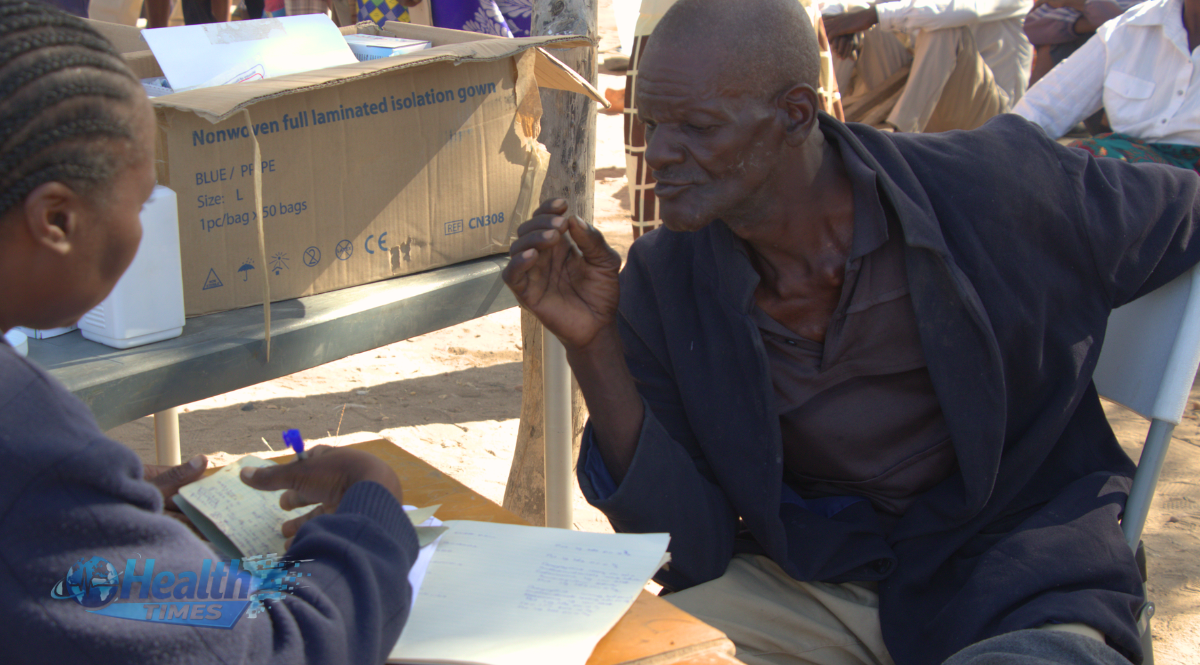
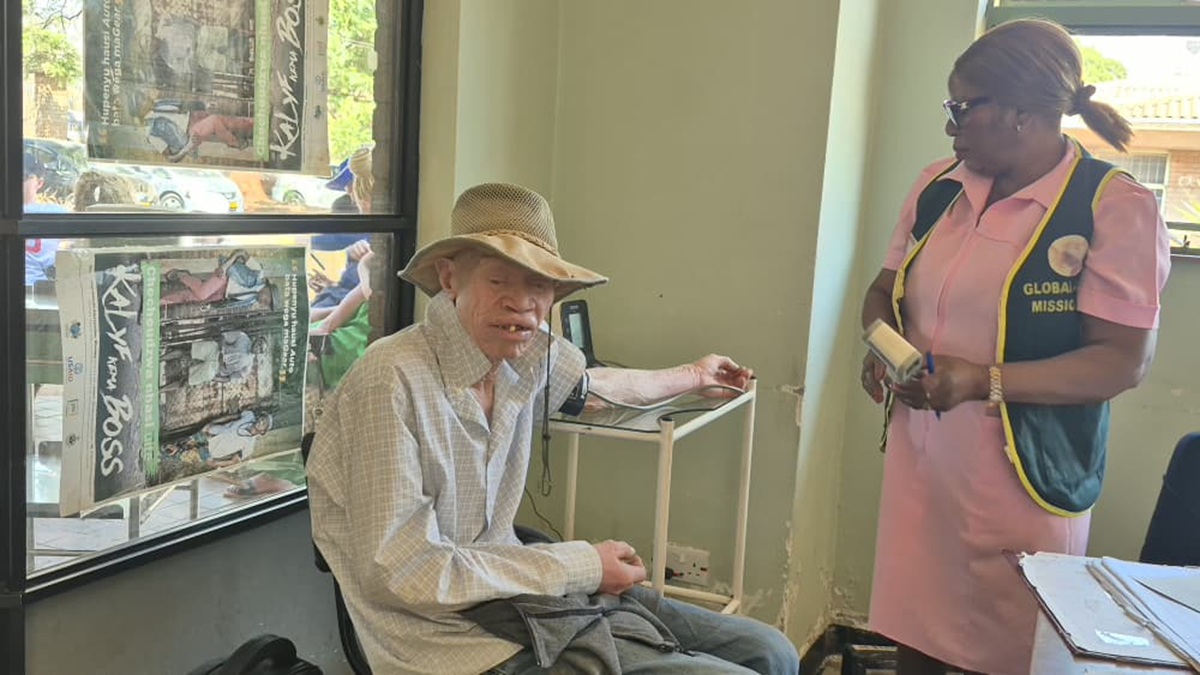
The announcement marks a significant transition after more than two decades of US support for Zimbabwe’s health system.
Tremont said the two countries had worked together for more than 20 years to strengthen health systems and expand access to HIV prevention, care and treatment.
“Because of that, Zimbabwe has achieved HIV epidemic control, with more than 95% of people living with HIV receiving treatment,” she said.
She said the immediate priority was to sustain those gains through strong national systems, continued access to quality services and Zimbabwean leadership.
The ambassador stressed that the end of US-supported health programmes did not mean the end of the broader US-Zimbabwe relationship.
“I want to be clear about what that means. First, the United States is not going anywhere,” Tremont said, adding that the embassy would continue engaging the Zimbabwean government and people “for years to come”.
Instead, she said, the relationship was being repositioned.
“But the U.S.-Zimbabwe relationship now pivots: from one largely focused on health and humanitarian assistance, to one built on broader economic, trade and investment opportunities to drive prosperity for Zimbabweans and Americans alike,” she said.
Tremont identified agriculture, water, technology, energy, infrastructure, climate-smart solutions, artificial intelligence and mining as areas where the two countries could expand cooperation.
She said American companies were interested in opportunities in Zimbabwe but were looking for what she described as “a level playing field, a predictable policy environment, and the opportunity to do well while doing good”.
The US also sees opportunities in Zimbabwe’s agricultural and water sectors, with Tremont citing irrigation systems, farming equipment, high-yield seeds and solar water systems as potential areas for cooperation.
The new direction comes as Zimbabwe prepares for the end of US-supported health programmes at the close of September.
The transition will place greater emphasis on Zimbabwean leadership and national systems to sustain health gains made during years of donor-supported programmes, while Washington seeks to deepen engagement in commercial and economic sectors.
Tremont also pointed to security cooperation, citing transnational threats including drug, wildlife and human trafficking as areas where the two countries could work together.
“We are stronger when we face these threats and dismantle these criminal networks together,” she said.
For Zimbabwe’s health sector, however, the immediate focus remains the handover of programmes and the continuity of essential services as the US assistance model changes.
For the United States, Tuesday’s reception marked the public presentation of a broader diplomatic and economic agenda, with Tremont describing the transition as a move towards cooperation centred on stability, trade, investment, jobs and shared prosperity.
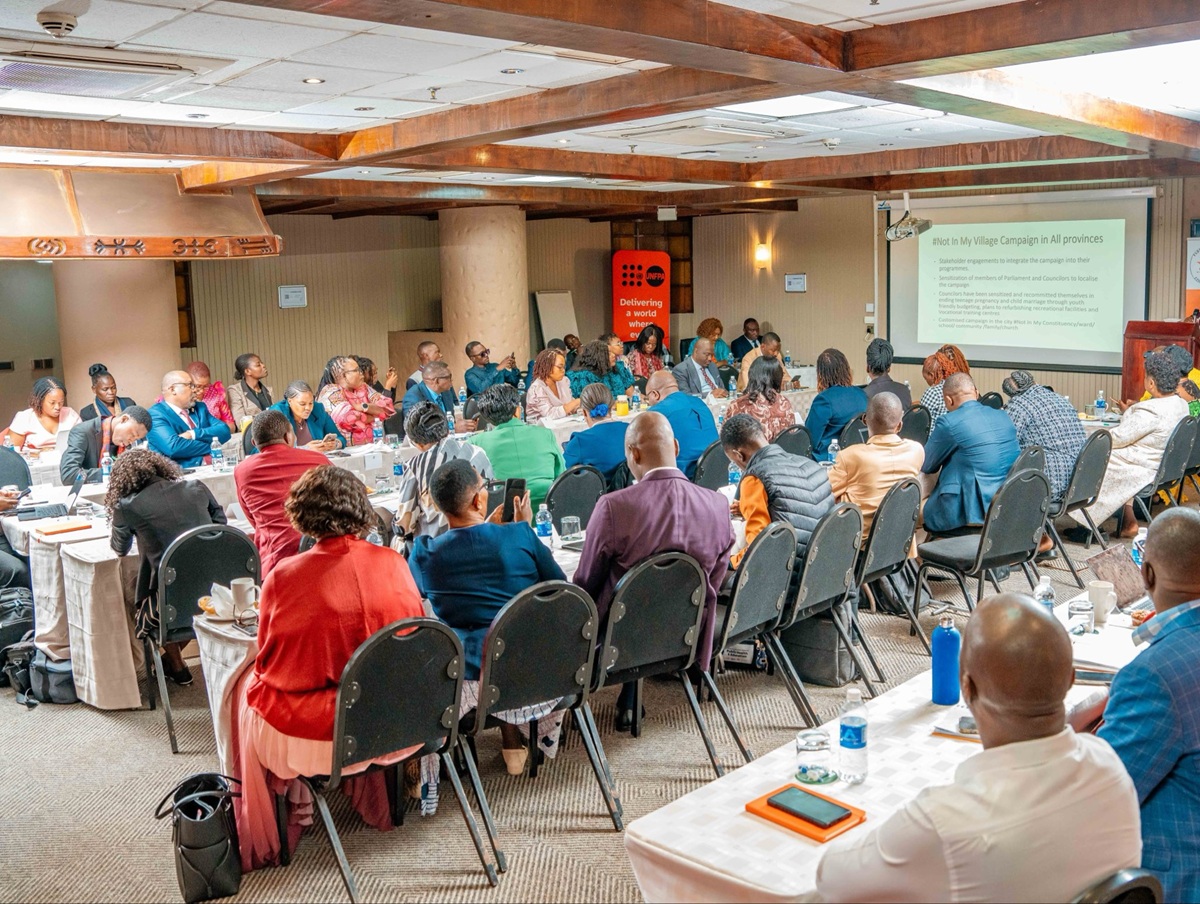
The reception brought together government officials, diplomats, health and development partners, UN agencies, academia, the private sector and business leaders.
As the health assistance era draws to a close, the next phase of the US-Zimbabwe relationship will increasingly be measured not by the scale of health aid, but by the extent to which the two countries can translate the promised shift towards trade, investment and economic cooperation into practical partnerships.