
By Kuda Pembere
“Children Under 18 should be allowed to abort! Simple…!”
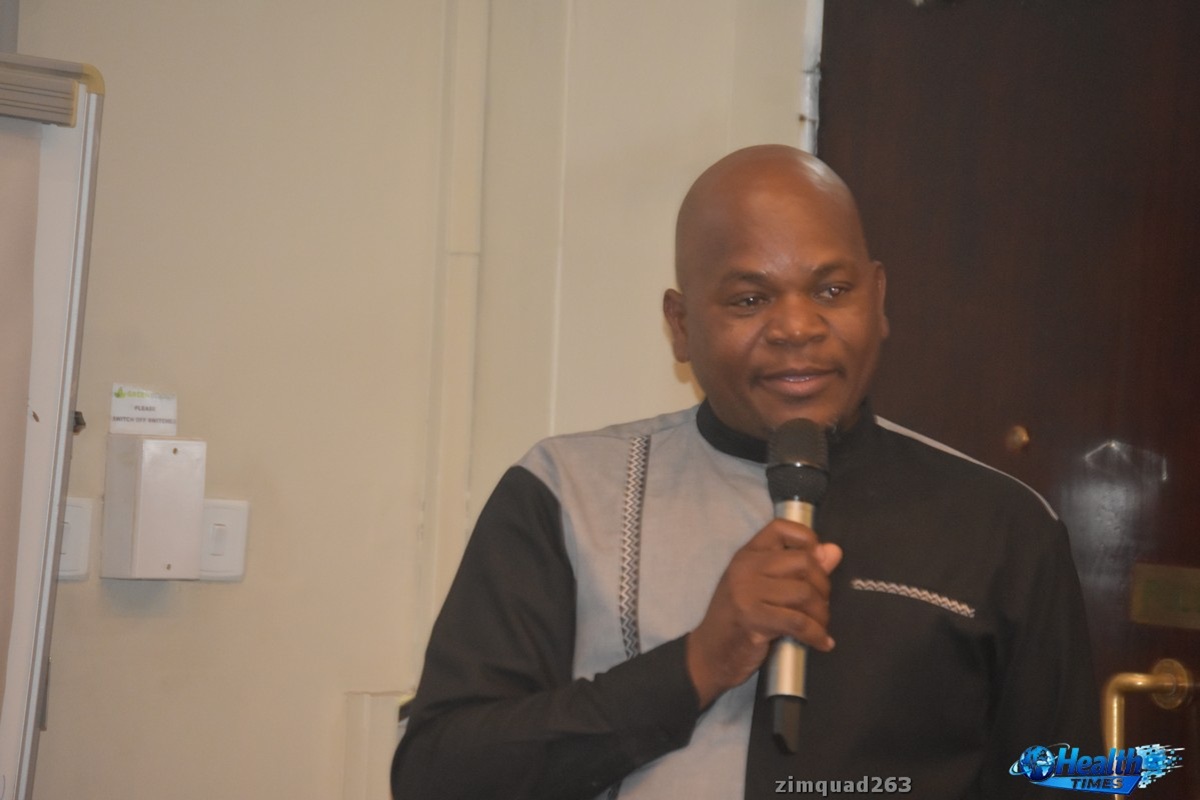
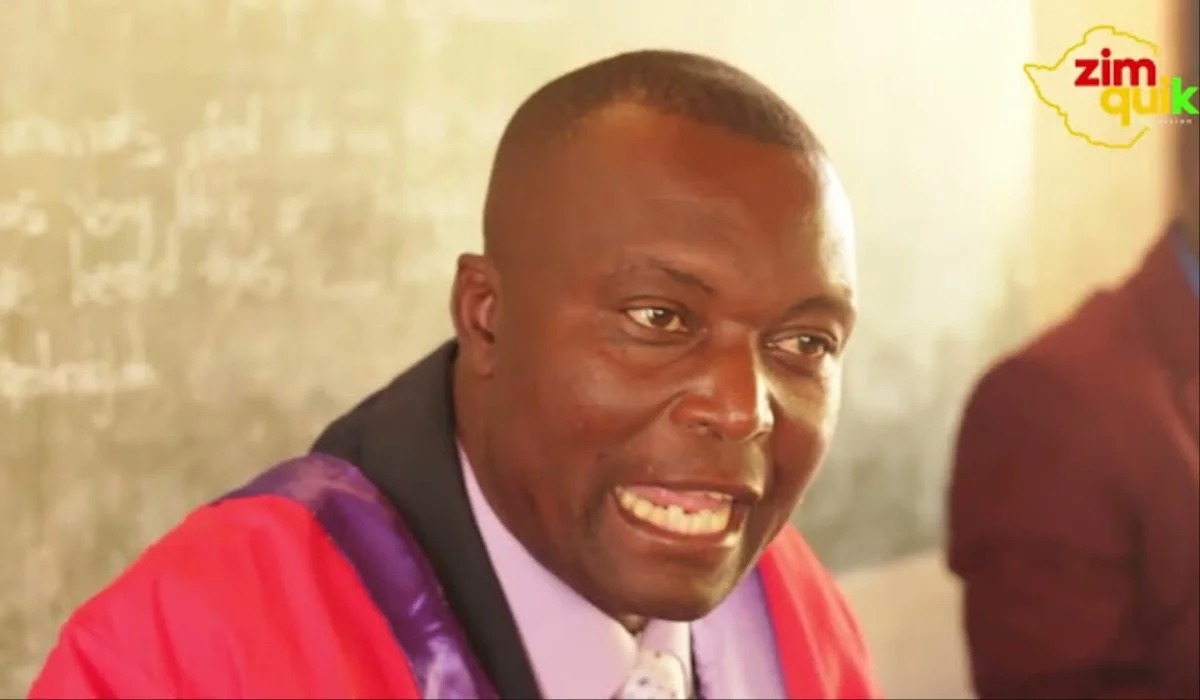
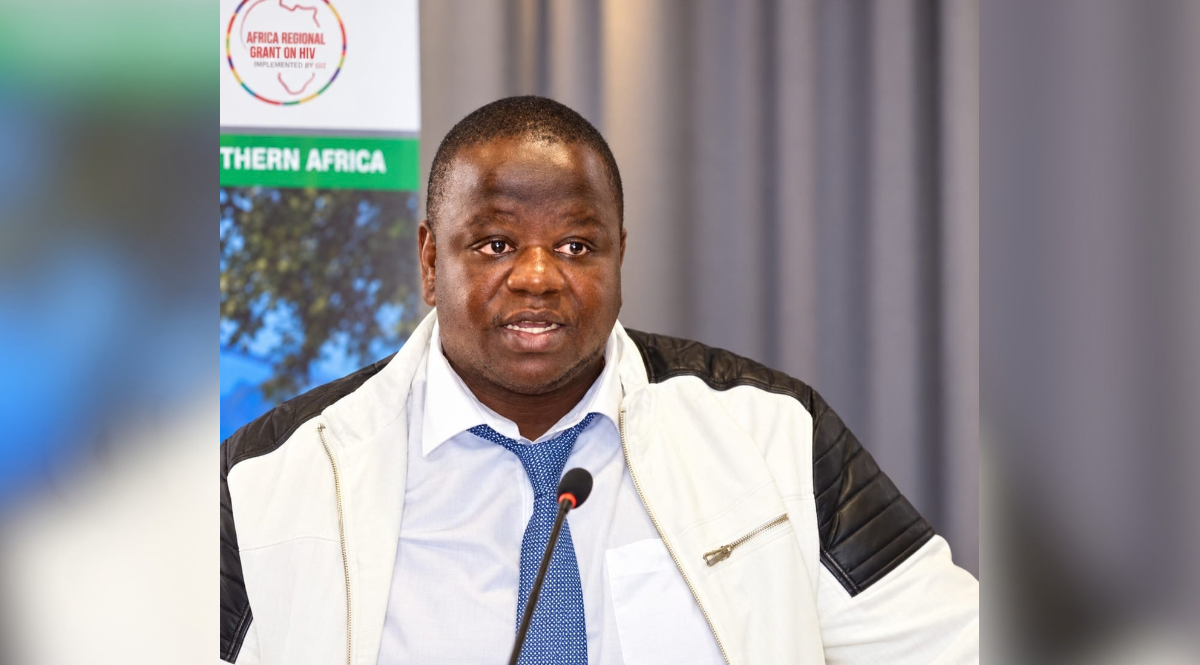
Human rights lawyer Tinashe Mundawarara’s blunt Facebook statement has reopened a difficult question in Zimbabwe: what should happen when a child becomes pregnant?
Mundawarara followed his statement with another question: “Who wants their 12 or 13 year old kid to carry pregnancy to full term?”
He told HealthTimes he stands by his position, arguing that children’s health, rights and development should be central to decisions about pregnancy.
“Indeed children under 18 should be allowed to access abortion. I will ventilate on four reasons. Firstly, they are children and cannot possibly have fallen pregnant through lawful intercourse, so their pregnancy is a result of unlawful intercourse,” he said.
“Secondly, from a medical point of view, allowing children to carry children carries significant medical risks, including obstetric complications like obstructed labour, vesicovaginal fistula, birth asphyxia and placental abruption, among many others, which can permanently damage their reproductive health.”
His position, however, raises questions that go beyond whether a pregnancy should be terminated.
What happens when the circumstances surrounding the pregnancy are unclear? How should the child’s wishes be weighed against the State’s responsibility to protect her? And what happens to her education, safety and future after the immediate medical crisis?
For legal officer at Women’s Action Group Tsitsi Masengure, pregnancy at 12 or 13 should be treated first as a child-protection emergency.
“It is not merely a medical condition or evidence in a criminal case,” she said. “The response must ask not only, ‘What happened to this child?’ but also, ‘What will happen to her education, safety, dignity and future?’”
What happened to the child?
Masengure says such a pregnancy should immediately raise questions about sexual abuse, exploitation, coercion, incest, trafficking and forced marriage.
The circumstances must be investigated sensitively, including the identity and age of the person responsible, power relationships, grooming, threats, economic pressure and whether the alleged perpetrator still has access to the child.
Family responses can also create danger. A girl may be expelled from home, forced into marriage, pressured to withdraw a complaint or compelled to protect the person responsible for the pregnancy.
The response, Masengure said, should involve health services, social welfare, the police Victim Friendly Unit, schools, psychosocial services and legal aid where necessary. The child should also not have to repeatedly recount traumatic experiences to different institutions.
But what if she says she consented?
This is where the issue becomes more complicated.
A recent Herald report told the story of Shamiso, not her real name, a 13-year-old mother living with her grandmother in Chitungwiza.
Shamiso said she had previously lived with her parents in Harare and had agreed to have sex with the 18-year-old she identified as the father of her child. She said he later abandoned her after she became pregnant.
That is her account, not a legal determination of whether lawful consent existed.
Masengure says the circumstances surrounding each pregnancy must be established. Where a pregnancy results from rape or incest, she said the current legal framework provides circumstances in which it can be terminated. Where the pregnancy resulted from what is legally treated as consensual intercourse, she said the same route is not currently available.
That distinction matters because a child’s description of a sexual encounter as consensual does not, by itself, settle the legal questions surrounding the conduct of an adult.
What does Zimbabwean law allow?
Zimbabwe’s Termination of Pregnancy Act permits abortion in specific circumstances, including where continuing a pregnancy threatens the woman’s life or physical health, where there is a serious risk of severe foetal abnormality, or where there is reasonable possibility that the pregnancy resulted from unlawful intercourse, including rape or incest.
The law has faced constitutional challenges concerning children, sexual violence and reproductive rights. Mundawarara argues that the child’s best interests should be central to decisions about her health.
“Our law acknowledges the best interests of the child in both the Constitution and Medical Services Act. Children’s mental and physical health have to be protected and promoted always, and the law has given them autonomy in decision-making,” he said.
He added: “Children can make decisions on their health in their best interests, and our law removes third-party authorisation that seeks to impair the best interests of the child in accessing medical services.”
Masengure also stresses participation, but with safeguards. The child, she said, should be interviewed privately, receive accurate information in language she understands and have her views considered according to her age, maturity and evolving capacity. Parents and guardians should support her, but should not force marriage, concealment of abuse, adoption, termination or continuation of the pregnancy.
“Protection should not become another form of control,” Masengure said. “The objective is to keep the child safe while preserving as much of her agency, dignity and future as possible.”
The pregnancy is only the beginning
Shamiso’s circumstances show what that future can look like. Her Caesarean-section wound reportedly ruptured while she was doing household chores, forcing her back into hospital.
She was reportedly struggling to obtain sanitary products, food, baby clothes and prescribed medication. Hospital staff reportedly helped her feed, bathe and dress the baby while she recovered. At times, she went to the hospital playground to play with children her age.
She said: “I do not have sanitary ware, baby clothes, food, and most of the medications that doctors prescribed for me. I do not have any means to look after myself and the child.”
She also said: “My peers laugh at me. I blame myself for this, and if I had a way, I would have changed the situation.”
Yet she remains attached to her baby.
“All I need is support so that I can look after my baby, I love her. My baby is innocent, and I am the one to blame.”
Her experience illustrates why adolescent pregnancy cannot be treated only as a question of delivery or abortion.
A national problem
Official data from the Primary and Secondary Education Ministry shows that more than 10,000 teenage girls dropped out of school across Zimbabwe between 2023 and 2025 because of pregnancy and early marriage.
More than 4,500 girls dropped out because of pregnancy in 2023. In 2024, 3,433 dropouts were linked to early marriage and adolescent pregnancy. In 2025, 2,535 girls dropped out because of pregnancy. Ministry spokesperson Taungana Ndoro said teenage pregnancy remains a major challenge.
“The ministry has been implementing targeted programmes to address this, including Circular 18, which allows pregnant learners and young mothers to continue or resume their education without discrimination. Measures are being implemented to reduce stigma and support reintegration,” he said.
Masengure argues that legal permission to return to school does not guarantee practical access. Childcare, poverty, stigma and discrimination can still keep young mothers away.
Beyond abortion
Historical research estimated that about 65,300 induced abortions occurred in Zimbabwe in 2016, equivalent to 17 abortions per 1,000 women aged 15 to 49. About 25,200 women received facility-based post-abortion care that year, with around half treated for complications associated with unsafe abortions.
Among adolescents, an estimated 4,100 induced abortions occurred. Child protection advocate Chinga Govhati said some cases reflect wider failures in access to contraception and reproductive health information.
“The cases are the tip of the iceberg of what is happening to women and girls as a result of their inability to access contraceptives,” she said.
She also called for comprehensive sexuality education to help young people make informed decisions about their sexual and reproductive health. The figures are historical, but the underlying questions remain current. When a 12 or 13-year-old becomes pregnant, the debate cannot stop at whether she should continue the pregnancy or terminate it.
It must also ask whether she is safe, whether she can remain in education, whether she has somewhere secure to live, whether she receives psychosocial support, whether the pregnancy resulted from abuse, and whether she can make meaningful decisions about her future.
Mundawarara’s statement puts abortion at the centre of the debate. The experiences of children such as Shamiso suggest the debate is ultimately much wider: how Zimbabwe protects a child whose childhood has already been disrupted by pregnancy, and what it does to ensure that pregnancy does not determine the rest of her life.