
By Kuda Pembere
The Health Professions Authority (HPA) closed 48 health facilities this year for operating without the required registration or qualified personnel, bringing the number of facilities closed since last year to 77.
The closures were carried out with the assistance of the Zimbabwe Republic Police (ZRP), with 29 facilities closed in 2025 and 48 so far this year.
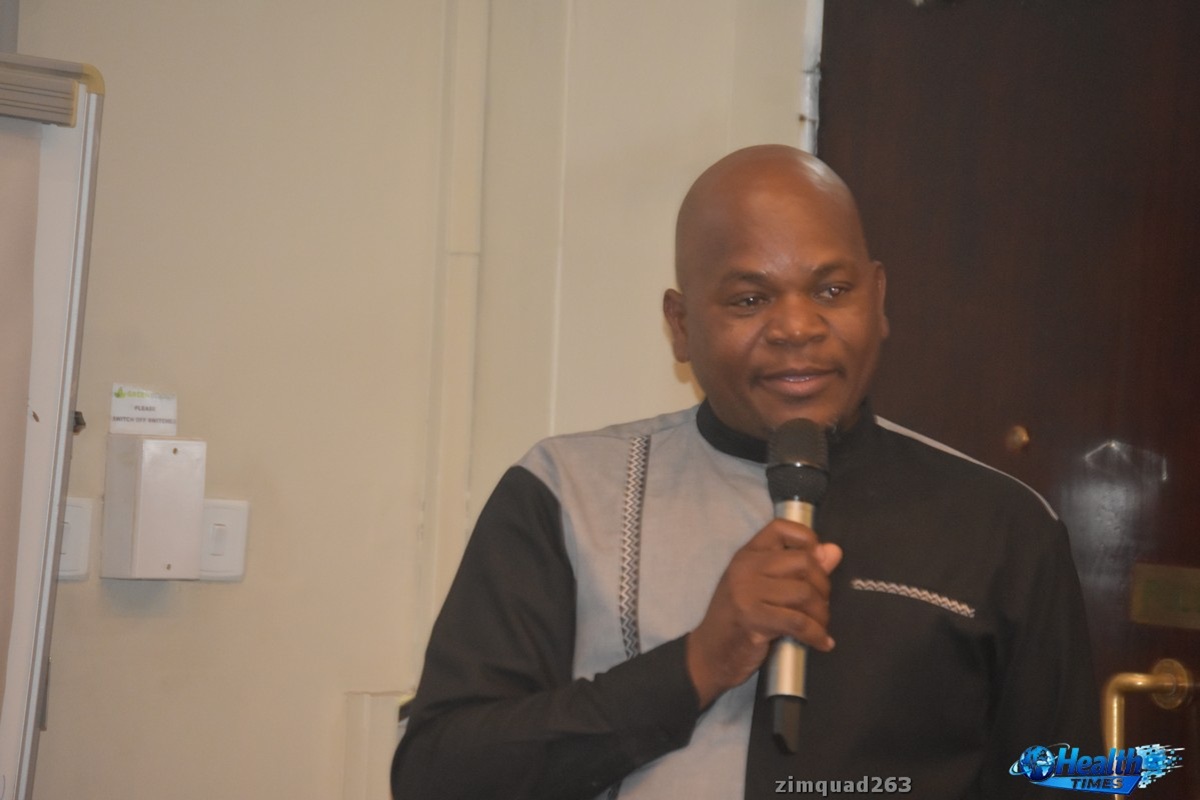
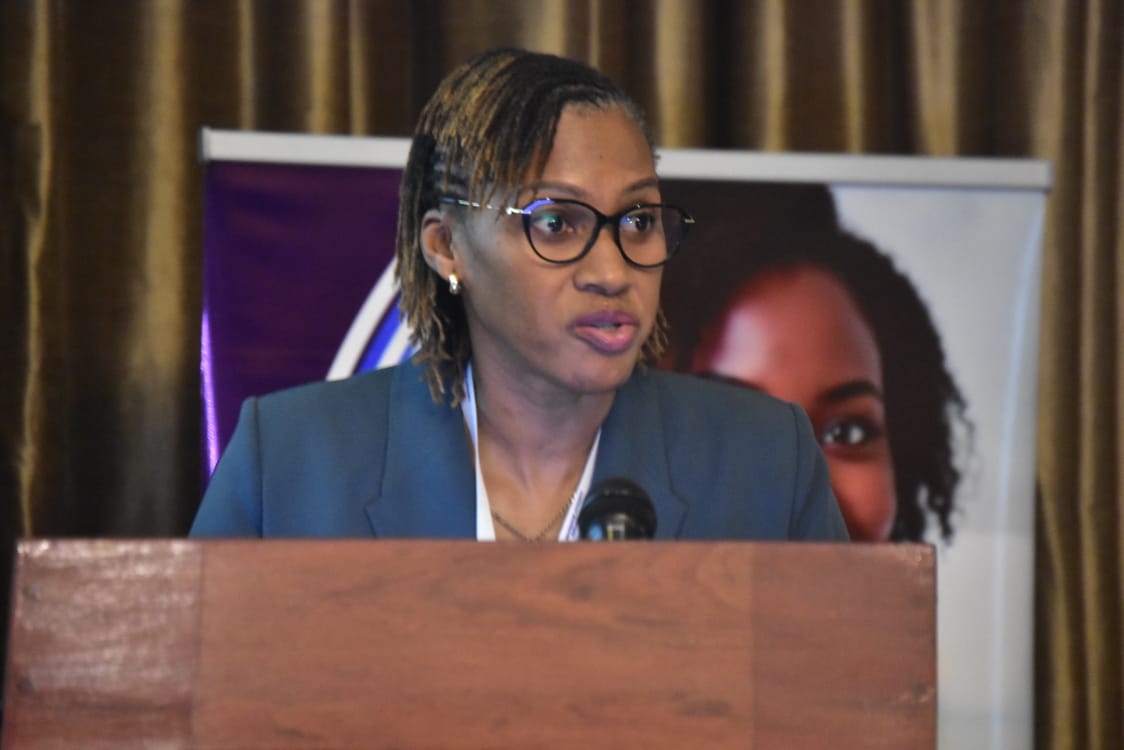
HPA Secretary-general Mrs Clotilda Chimbwanda said the increase in closures was partly due to greater public awareness, with members of the public reporting suspected illegal health facilities to the authority.
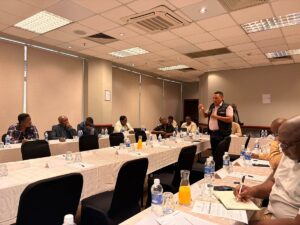
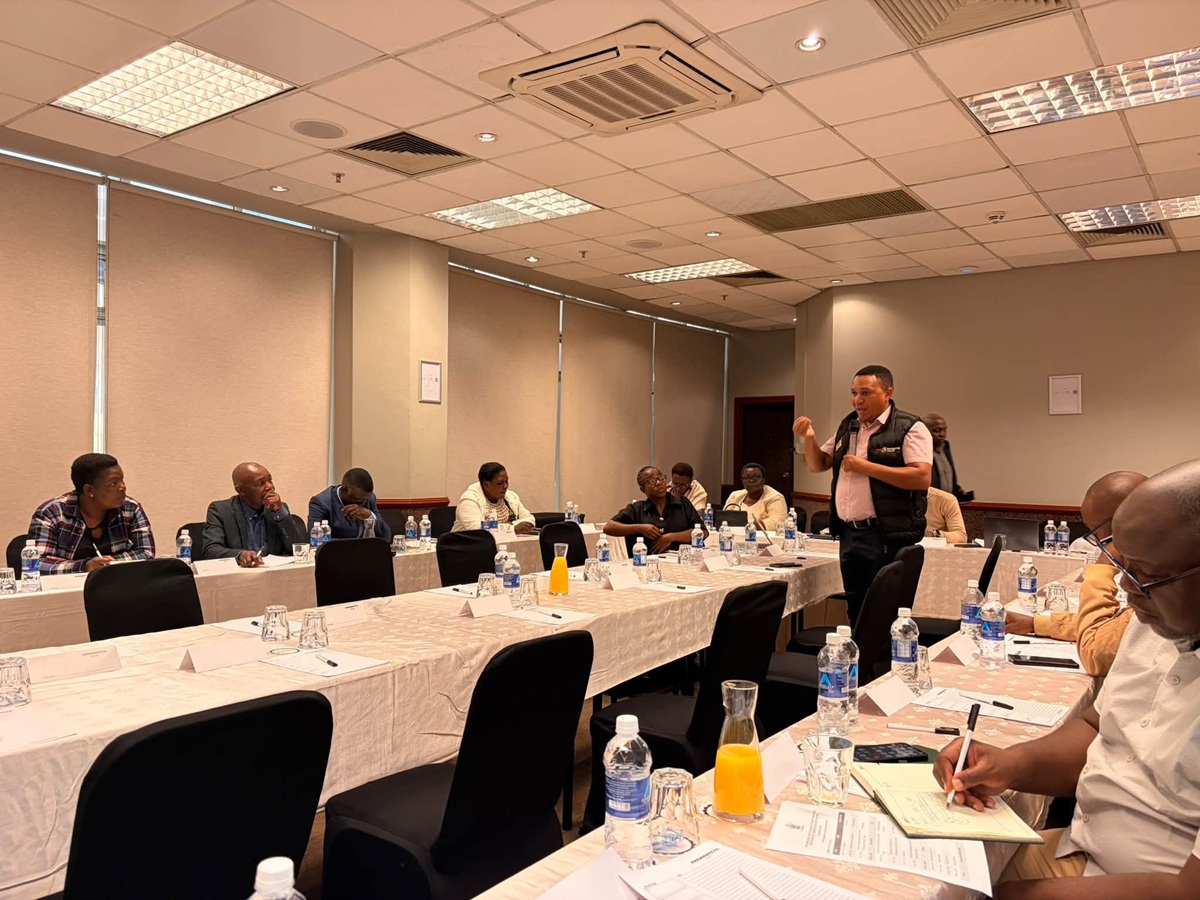
She was speaking on Thursday at the HPA Annual General Meeting. Chimbwanda said the facilities closed were not necessarily all unregistered, as some registered institutions had been found with substandard facilities and ordered to correct the deficiencies.
“In terms of institutions closed through the police, so when we do this investigation, this doesn’t necessarily mean that all of them are unregistered institutions.
“Some of them are registered, but have substandard facilities that we then ask them to rectify within certain periods. In worst case scenarios, they’ll actually be closed down until they attend to those shortfalls,” Chimbwanda said.
“So those that were closed through the police, in 2025, we closed 29 facilities. And most of these were facilities that were either run by a health practitioner, but not registered with the authority, or by bogus practitioners, someone who calls themselves a nurse or a doctor when they are not. So these are the facilities that we closed.”
Of the 48 facilities closed this year, Chimbwanda said about eight were rehabilitation facilities, including one in Ruwa where 20 patients were being housed in two rooms.
“In year 2026, we’ve actually closed 48. The increase here has been again because of the knowledgeable citizen who then call us and say, I’ve been to this facility, but I did not see the HPA certificate. Can you please confirm if it’s registered? And we will go out and on the ground, and we will indeed confirm that it is not registered.
“And out of the 48 that we’ve closed in year 2026, I will speak to the issue of proliferation of rehab facilities that are not registered, and that are being run by non-medical personnel.
“Out of these 48, about eight of them are rehab facilities. We have shocking incidents where we closed one in Ruwa, where it was two rooms, and they had 20 patients there.
“And these were drug and substance abuse patients. And they’re housed in these two rooms, and they were using a stream at the back of that facility to bath because they had no running water. So these are some of the things that are happening where people are being taken advantage of in the name of treating a drug and substance,” she said.
Chimbwanda said such facilities posed risks to patients because of poor infection control and the involvement of unqualified personnel in medical activities.
“It’s a danger in terms of infection control. It’s a danger because we have someone who is not medical, who is carrying out medical activity, and they don’t know what they’re doing. So the outcomes can be very negative, and you can even lose lives. So that is the danger that it poses,” she said.
She also cited a case in which a hairdresser was found administering intravenous fluids to clients seeking skin-lightening treatments at a pharmacy.
“So a Genetially Modified Organism (GMO) is not just food anymore, even body parts. So we have people who want to enhance certain body parts and they go to unlicensed and unregistered non-medical people for those.
“We had a case where we went to a pharmacy and it was a hairdresser who was giving an IV fluid to people who had come to get their hair done. It was for skin lightening. So you can imagine that this is a hairdresser who is putting needles into someone.
“And the people were there lined up, you know, and sitting with a drip hanging because they want to be lighter. So again, that public awareness becomes key. And we have to make sure that we find a way of regulating these practices and stopping the ones that need to be stopped.”
Chimbwanda said the growth of beauty therapies had also created regulatory challenges, particularly where procedures requiring medical expertise were being performed by non-medical personnel.
“There are some that can be done by non-medical personnel, and then there are some that require medical personnel to do. For example, we went into a pharmacy, and we had a hairdresser who was giving drips, and these drips are meant to lighten the skin. So this is a non-medical person who is injecting someone with a substance that we are not aware of.
“If they are to have a reaction, they do not have what is required to be able to say that person is that person. So these are some of the things that we’ll be talking about. Let’s make sure that these practices are done in a registered institution by a registered professional at the right time,” Chimbwanda said.
The HPA urged members of the public to report suspected illegal health facilities to the authority or the nearest law enforcement agency.
“It has come to the attention of the HPA that there are some facilities operating without the requisite registration or qualified personnel, offering services such as drug and substance abuse rehabilitation and other forms of mental rehabilitative care.
“These illegal facilities often lack appropriate infrastructure, and adherence to established medical protocols. This poses serious risks to patients, including substandard care, abuse and neglect, administration of harmful or unproven treatment and lack of recourse.”