By Michael Gwarisa
Zimbabwe is entering a new and uncertain chapter in its fight against HIV and tuberculosis as United States Government-funded health programmes close, raising questions about whether the country can sustain gains built over decades of international support.
The transition comes as Zimbabwe’s health authorities seek to shift greater responsibility for HIV, TB and other programmes to the domestic health system, while relying on other development partners, including the Global Fund, to cushion the loss of US support.
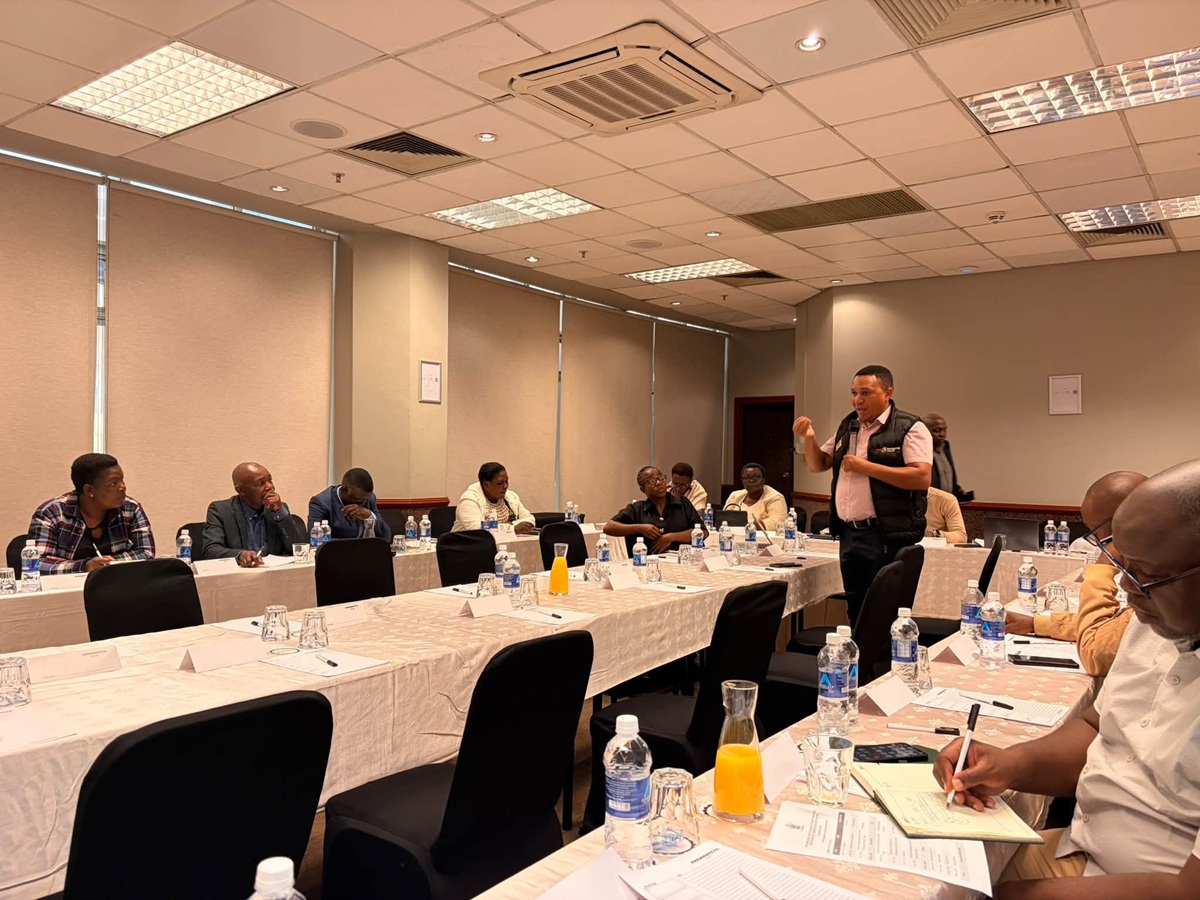
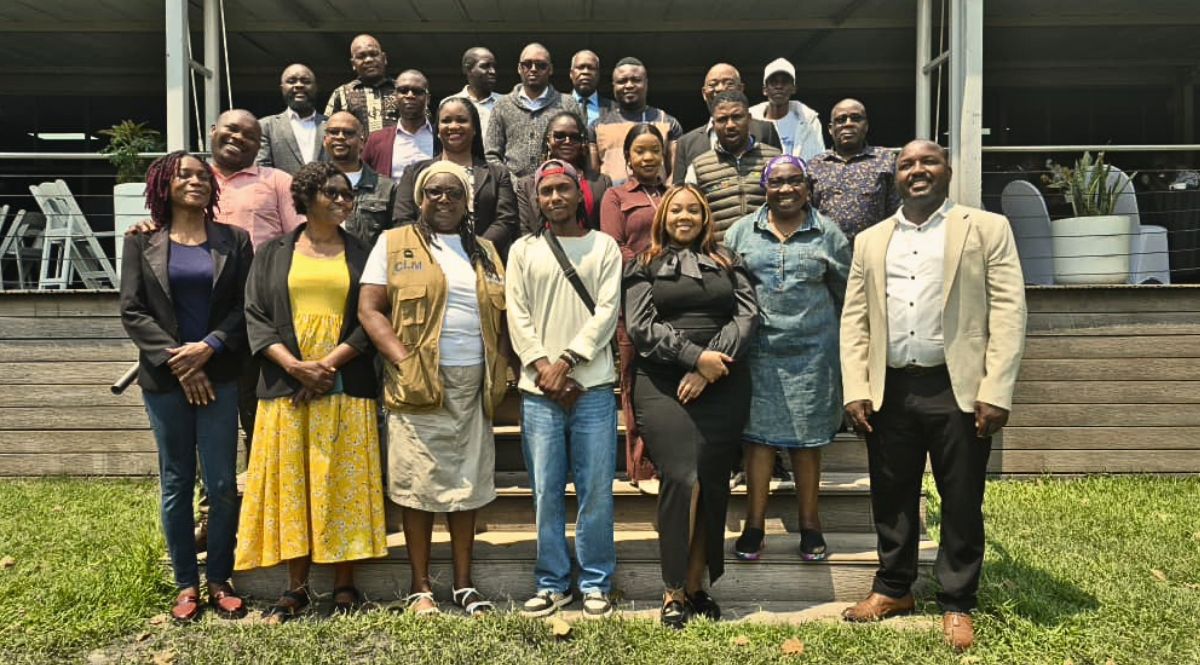
At a joint US Government-funded projects close-out event in Harare, Dr Owen Mugurungi, Director of the AIDS and TB Programme in the Ministry of Health and Child Care, acknowledged the achievements of the partnership but warned that significant challenges remain.
“The need to retain our health workforce, close gaps in laboratory diagnostics, and respond to the continuing threat of antimicrobial resistance reminds us that much remains to be done,” Mugurungi said.
His remarks came just as US funding for Zimbabwe’s health programmes reached the end of its September 2026 deadline, following the collapse of negotiations over a proposed bilateral health agreement between Harare and Washington. The United States has been a major supporter of Zimbabwe’s HIV, TB and malaria responses, funding commodities, health workers, community programmes, laboratory systems and other components of the health system.
The question now is whether Zimbabwe can absorb responsibilities previously carried by US-funded programmes without allowing interruptions in services to reverse progress against the country’s biggest infectious disease threats.
HIV gains face a new test
Zimbabwe’s HIV response illustrates both the progress made and the scale of what is now at stake. By the end of 2025, about 1.23 million people living with HIV were receiving antiretroviral therapy, representing 94.95 percent of adults and children living with HIV, according to the 2025 UNDP and Global Fund annual report. AIDS-related deaths also fell from 23,970 in 2019 to 17,100 in 2024.
Much of the infrastructure supporting these gains extends beyond the provision of antiretroviral medicines. Mugurungi pointed to US-supported programmes including Preventing HIV for Sustained Epidemic Control, implemented by Population Solutions for Health, and other interventions implemented by local organisations that brought HIV testing, treatment and prevention services closer to communities.
The programmes also trained health workers, strengthened community systems and helped identify patients who had disengaged from care. That support is now entering a new phase. Zimbabwe has begun identifying which HIV interventions must be absorbed into the national response, with maintaining the procurement and distribution of antiretroviral medicines identified as a priority. Officials have also said the transition must not weaken prevention services.
The timing is significant. Zimbabwe only recently received the first 23,000 doses of a US-funded consignment of 43,000 doses of lenacapavir, the twice-yearly HIV prevention medicine, highlighting the complexity of maintaining access to new HIV prevention technologies as the funding relationship changes.
TB programmes face the same challenge
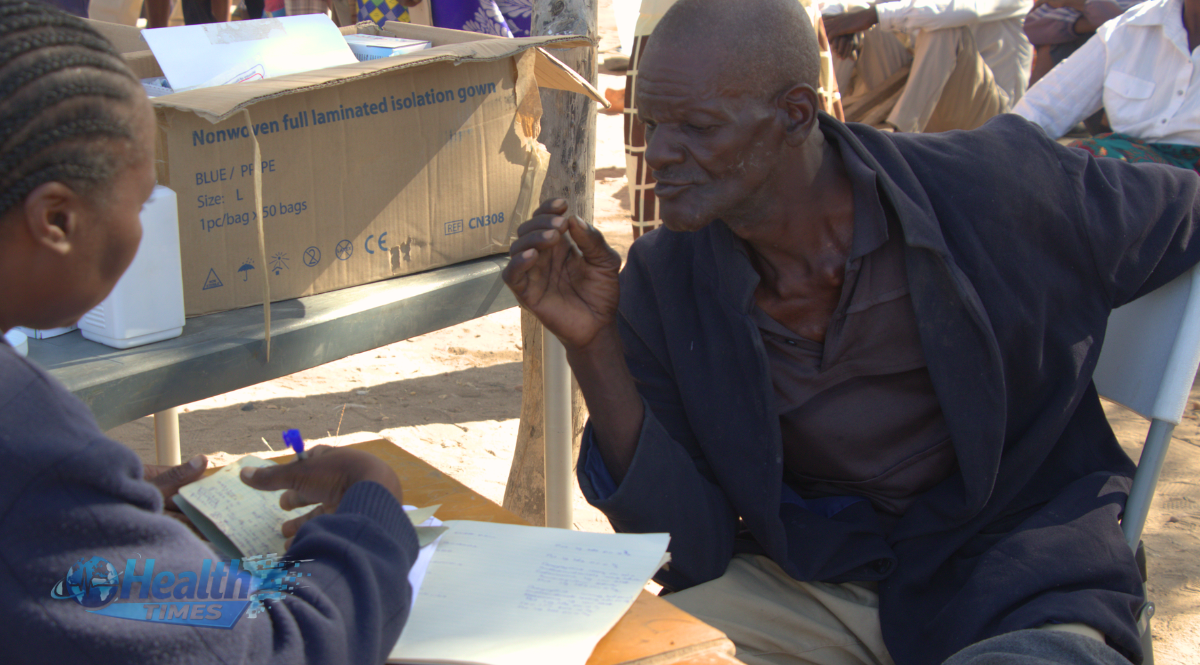
TB presents another test of Zimbabwe’s ability to maintain externally supported innovations. Mugurungi highlighted US-supported community-based TB screening that has taken services beyond conventional health facilities and into high-risk communities, including mining areas. The programme has used portable X-rays and artificial intelligence-assisted diagnostic software to help identify TB more quickly, while community health workers have helped connect people identified through screening to health facilities.
The approach has also targeted former miners and artisanal and small-scale miners, groups exposed to both TB and silicosis. For Zimbabwe, the importance of such programmes lies not only in the number of people screened, but in the systems created to find patients earlier and link them to treatment. Mugurungi said the lesson from decentralised screening was clear: health services must go to the people rather than waiting for vulnerable populations to reach health facilities.
“Health care must go to where people are,” he said.
But sustaining that model will require money, personnel, equipment and reliable supplies.
‘No product, no programme’
Perhaps the clearest indication of what is at stake lies in Zimbabwe’s health commodity supply chain. US Government support has helped finance the procurement of antiretroviral medicines, HIV rapid test kits, viral-load and early infant diagnosis laboratory supplies, malaria medicines, diagnostic kits and condoms.
Technical support has also strengthened forecasting, supply planning, warehousing, distribution and health information systems. Mugurungi summed up the importance of the system in four words:
The statement captures a challenge that goes beyond replacing donor dollars. Zimbabwe must ensure that medicines and diagnostic supplies continue to be forecast, procured, stored and delivered to health facilities, while retaining the personnel and systems required to manage the process. Any weakness in that chain could quickly translate into patients facing delays or interruptions in care.
Can Zimbabwe carry the gains forward?
Zimbabwe is not entering the transition without other sources of support. The Global Fund remains a major partner in the country’s HIV, TB and malaria response, while government has increasingly emphasised domestic ownership and financing of health programmes. In May, Health and Child Care Minister Dr Douglas Mombeshora said Zimbabwe was preparing for the next Global Fund grant cycle and seeking greater flexibility to protect gains in HIV, TB and malaria. He also said the country had achieved the 95-95-95 HIV targets, while acknowledging continuing gaps, particularly among children.
But the broader financing environment is becoming increasingly difficult. International health assistance is declining, while African countries are being encouraged to assume greater responsibility for financing their own health systems. That makes the transition more than a funding exercise.
It is a test of whether Zimbabwe can convert years of donor-supported programmes into sustainable national systems. Mugurungi called for stronger leadership at provincial and district level, better use of health data and continued investment in operational research and innovation. He also emphasised family-centred care, proactive contact tracing and reaching vulnerable populations.