By Kuda Pembere
Zimbabwe is developing an Anticipatory Action Protocol to guide coordinated preparations for the forecast El Niño-induced drought during the 2026-27 rainfall season.
The protocol will bring together government ministries, development partners and other stakeholders to agree on early warning triggers, interventions and financing before a disaster occurs.
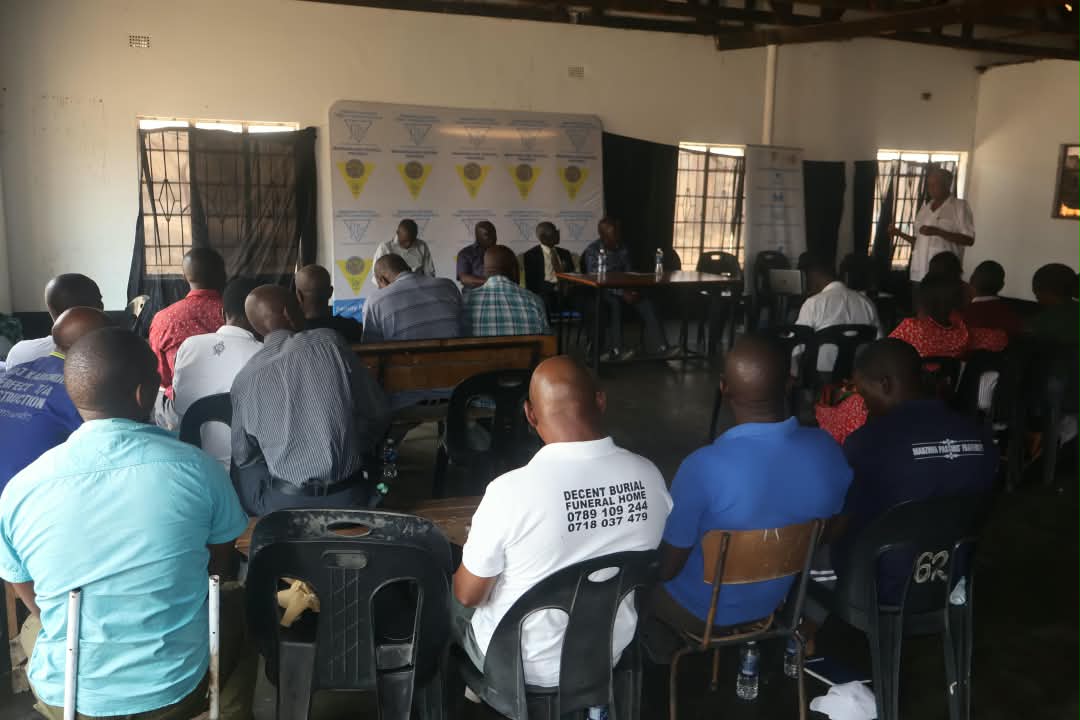
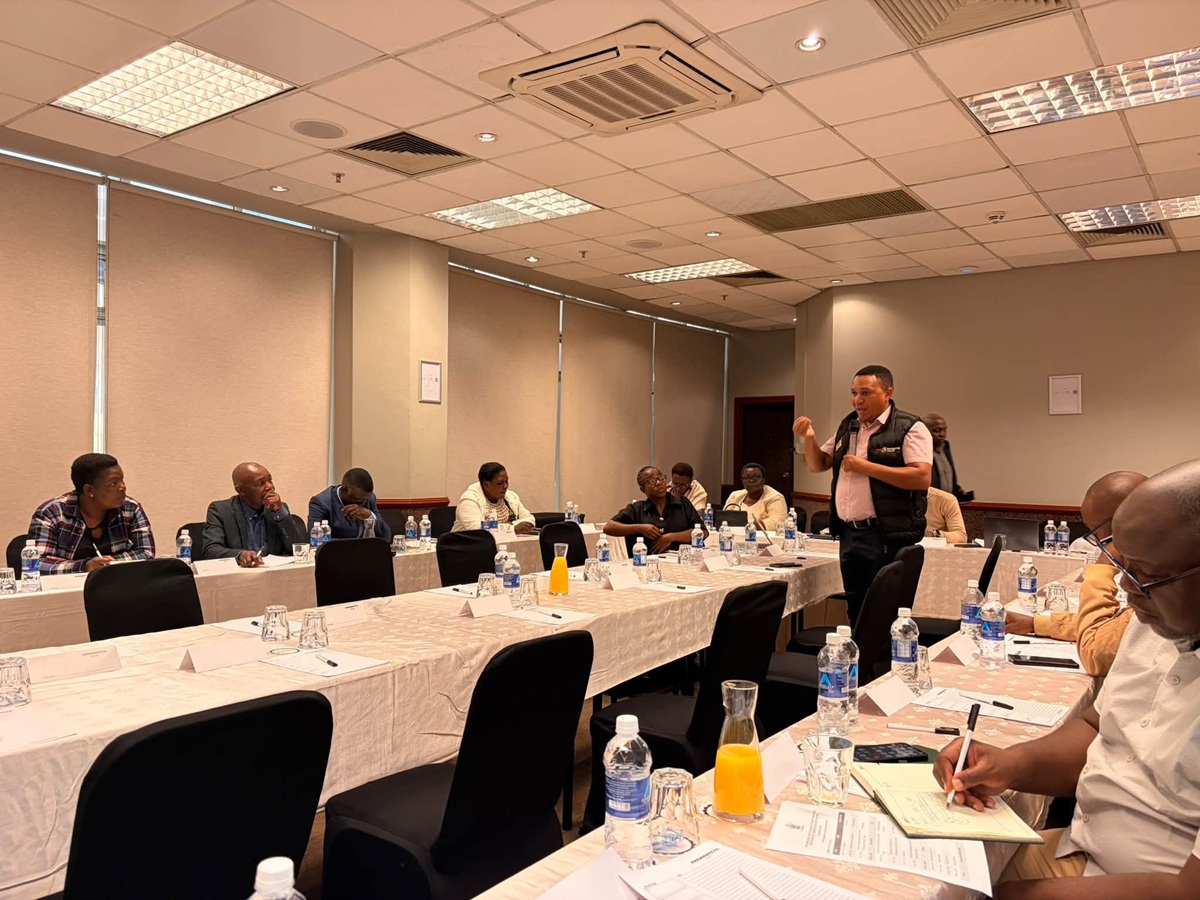
Officiating at a four-day workshop convened by the Food and Nutrition Council (FNC), Deputy Chief Secretary responsible for Finance, Administration and Human Resources in the Office of the President and Cabinet, Zvinechimwe Churu, said the protocol should ensure timely support reaches affected communities.
“Our task is not simply to produce another document. It is to agree before a crisis deepens, what action will be taken, by whom, at what point and with which resources.
“The practical test of our deliberations will be whether the arrangements we establish here enable timely support to reach the people in places that need it. Early warning must become early action,” he said.
Churu said forecasts from the Meteorological Services Department (MSD) should guide the protocol.
“For Zimbabwe, like other southern African countries, the Meteorological Services Department’s National Climate Outlook for 2026-2027 season projects below normal rainfall and an increased likelihood of drier conditions. The outlook also points to a rapid start to the season and warmer than normal conditions during the first three months,” he said.
“These signals require careful attention to risks affecting crops, livestock, water supply and household livelihoods. The Department also cautions that a drier season does not eliminate the risk of severe storms and flash floods.
“Our preparedness must therefore remain multi-hazard, informed by updated forecasts and responsive to conditions on the ground.”
Churu said the 2023-24 El Niño drought showed how a rainfall shock could affect several sectors simultaneously.
“Its effects extended beyond reduced harvest to water shortages, pressure on household diets and increased risk to children’s nutrition, health, education and protection. A rainfall shock can become a crisis across several sectors at once,” he said.
He said anticipatory action involved using forecasts and risk information to reduce the impact of a predicted hazard before its effects were fully felt.
“It brings together three essential elements: agreed triggers for action, agreed interventions and financing arranged in advance. Preparedness creates the capacity to act.
“An anticipatory action puts that capacity to work at the appropriate moment. This does not remove the need for emergency response or long-term investment in resilience. It connects them,” Churu said.
He said climate change was making forecasting increasingly difficult and authorities should also prepare for hazards such as flash floods and cyclones.
“The question is not only whether we saw the risk coming. It is whether we used the time available to reduce its consequences,” he said.
Churu said government had prioritised resilience and disaster preparedness through frameworks including the National Development Strategy 1 and 2, National Climate Policy, National Disaster Risk Management Strategy and National Adaptation Plan.
“Despite progress in generating climate and early warning information, significant gaps remain in translating forecast into coordinated early action: establishing pre-agreed triggers and protocols, integrating climate risk into sector planning and budgeting, and ensuring interoperability among institutions responsible for monitoring, preparedness, and response,” he said.
FNC director-general Dr George Kembo said the workshop would produce a consolidated plan outlining the actions and resources required by different government ministries.
“The intention is we don’t have to look for resources when we have a disaster, but we have to be prepared for disaster,” Kembo said.
He said the plan would also account for other weather-related hazards.
“Remember El Nino might come in the form of low rainfall or might come in flash floods at any given point. So what we expect is to be ready to ensure that at any given time when disaster strikes, action is taken quickly,” he said.
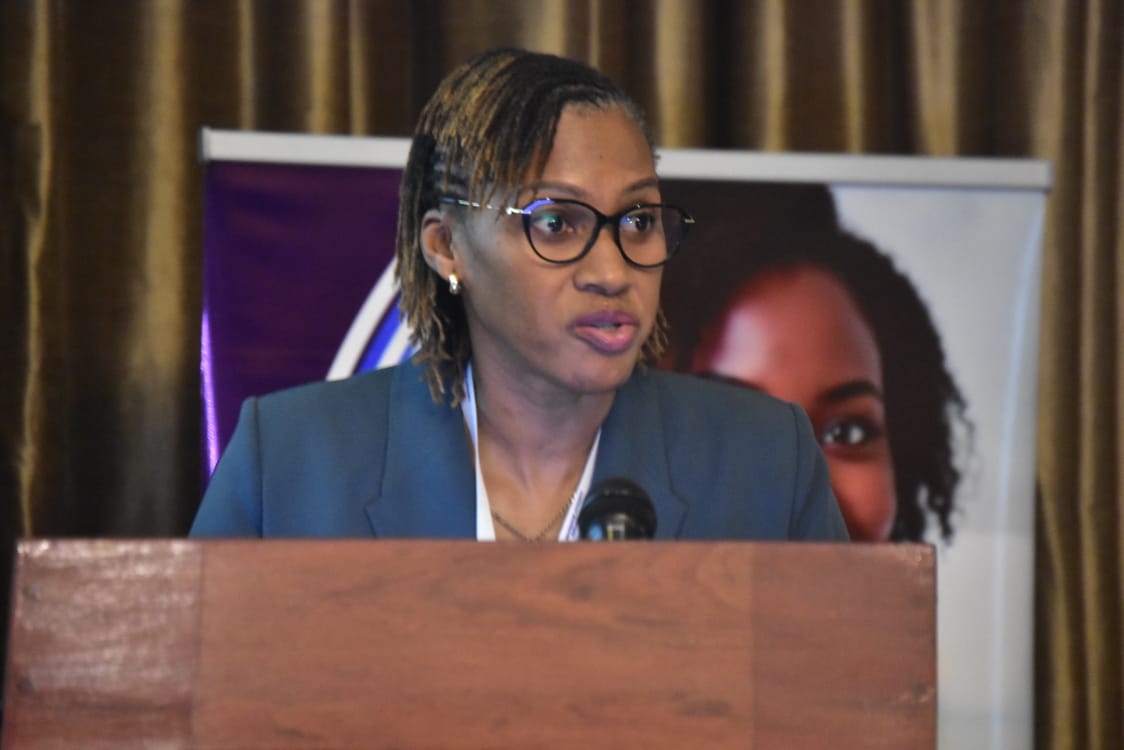
UNICEF Zimbabwe nutrition specialist Kudzai Mudukuti said anticipatory action was critical to protecting children from the effects of climate-related shocks.
“Anticipatory action gives us that opportunity to plan in advance to protect as many women and children as possible.
“And this is from the different angles of nutrition, from water issues, education and child safeguarding,” she said.
Veronica Bare, deputy director responsible for Response and Coordination in the Department of Civil Protection, said authorities were working with line ministries to prepare for the 2026-27 season.
“We are going to ensure that we implement this National Drought Plan. It involves mobilizing of resources for water conservation, educating our communities on smart agriculture, among other initiatives,” she said.
MSD meteorologist Gamuchirai Vhumisai said the latest seasonal forecast indicated below-normal rainfall across the country from October to December.
“We are expecting below normal rainfall from October-November into December for the whole of the country,” she said.