By Michael Gwarisa
When Nomsa Hazel Chimowa found herself unexpectedly vulnerable inside Spain’s healthcare system, it was not the advanced clinical technology or the complex medical protocols that left an indelible mark on her soul.
It was the profound human warmth.
From the emergency ambulance team that arrived at her door to the doctors and nurses who managed her admission at the hospital, Chimowa vividly remembers being met with a wall of patience, kindness, and unwavering empathy. At a moment defined by deep personal anxiety and medical uncertainty, she did not just receive treatment; she felt safe, genuinely cared for, and deeply protected by the system around her.
However, as she rested in that environment of secure European institutional care, her thoughts began to drift. They travelled thousands of kilometers away, crossing oceans and continents back to her homeland of Zimbabwe. Laying in her hospital bed, a haunting question took root in her mind: What does it mean to navigate life’s most fragile medical moments when you do not have a safety net? How can we make these vulnerable experiences a little easier for women and families who lack basic access to compassionate care, support, and resources?
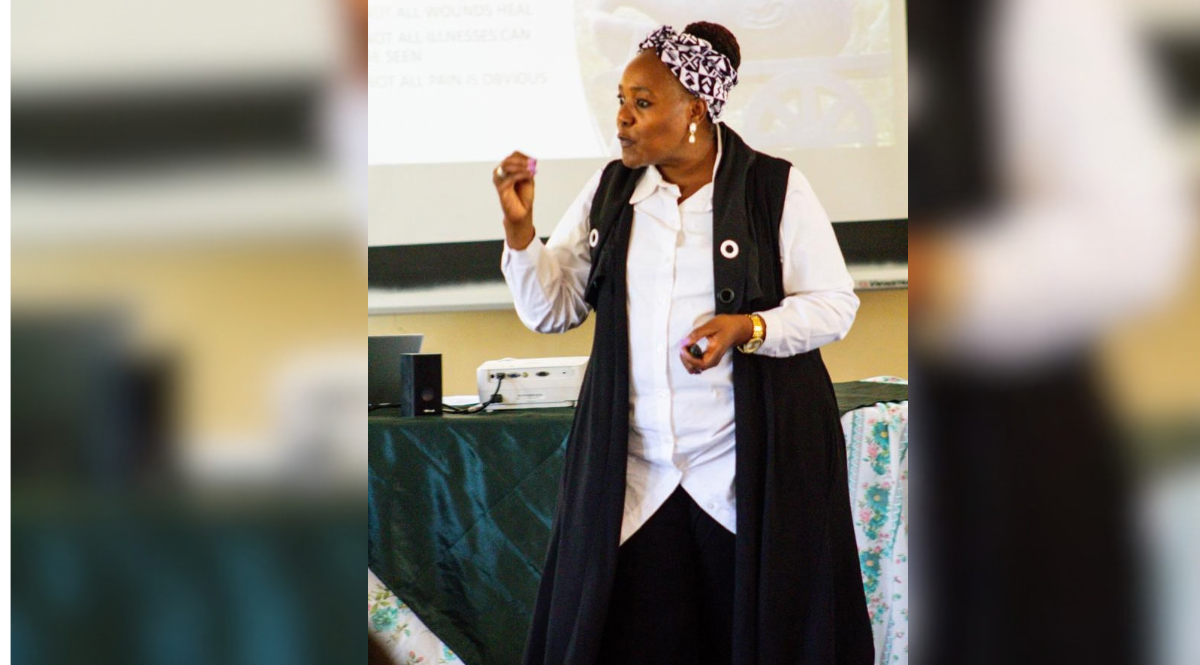
That deep, solitary reflection has now fully materialized into reality. It is the driving force behind Lumera Asociación, a Spain-based non-profit organization founded by Chimowa. Driven by the core belief that safe, dignified medical care should be a fundamental human standard rather than a privilege dictated by geography, the organization has officially stepped onto the global stage. Its early humanitarian footprint is directed squarely toward Zimbabwe, aimed at upliftment through its flagship maternal initiative: The Grace Program.
A Milestone of Dignity at Makumbe District Hospital
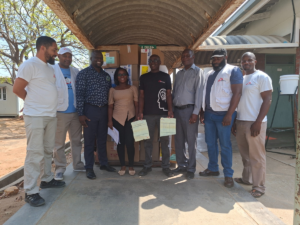
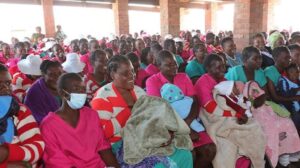
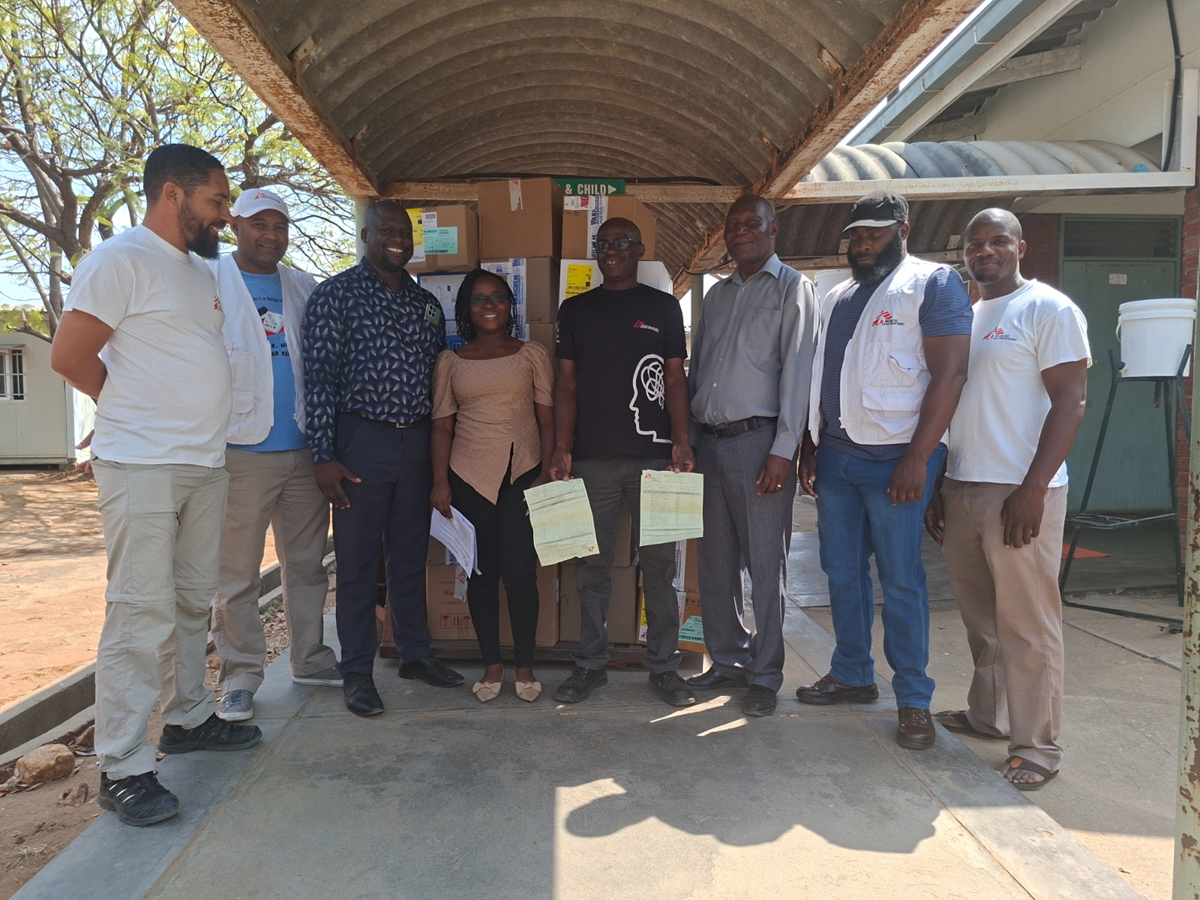
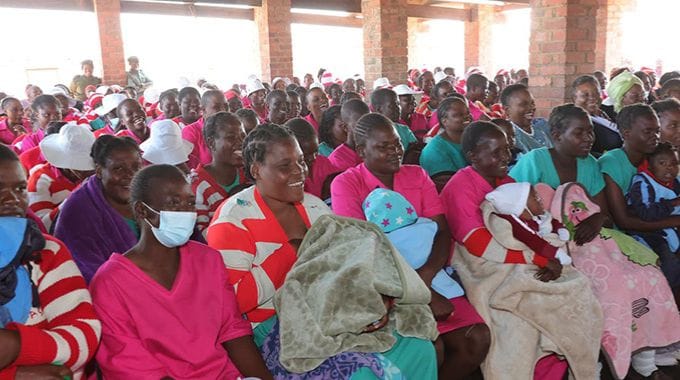
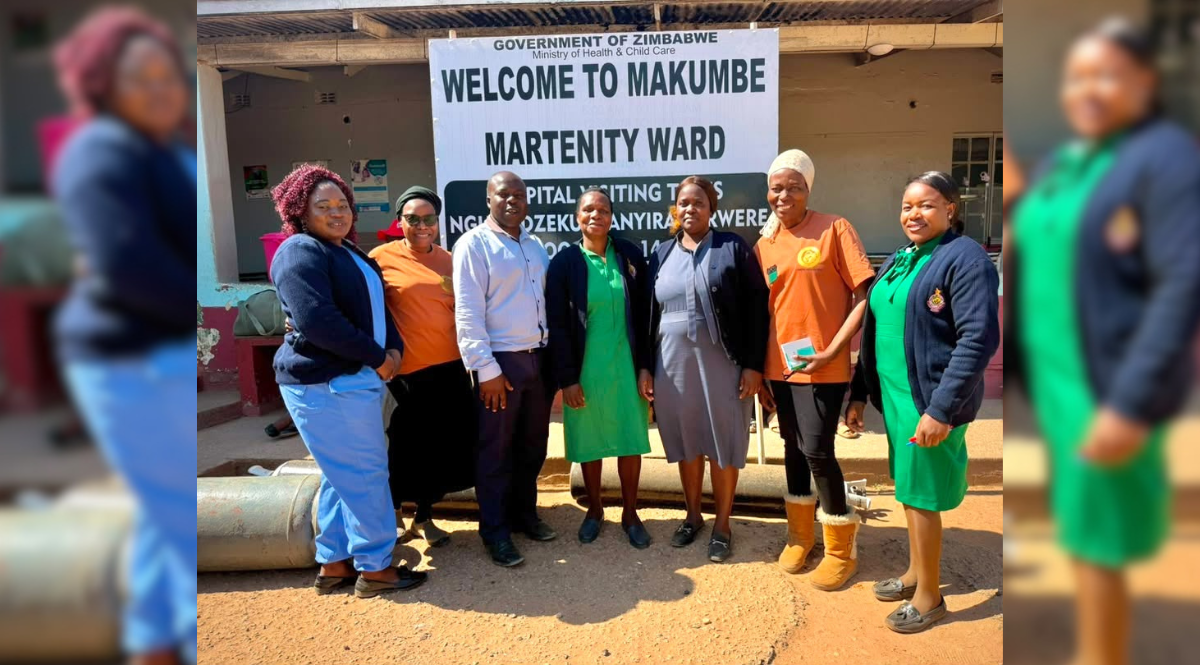
The organization’s very first localized intervention was intentionally modest, yet intensely personal. On 15 July 2026, a small on-the-ground team from Lumera Asociación arrived at the maternal ward of Makumbe District Hospital, a critical but heavily overburdened public healthcare facility located in the Goromonzi district of Zimbabwe. Their mission was clear: to distribute 50 specialized Grace Mother and Baby Care Kits directly to women recovering from childbirth.
For a new mother, the hours and immediate days following delivery represent a turbulent whirlwind of intense physical recovery and deep psychological adjustment. In resource-constrained rural public hospitals across Zimbabwe, that baseline postpartum stress is frequently amplified by systemic shortages. Expectant mothers are often required to bring their own basic medical and hygienic provisions to the clinic, an impossible financial hurdle for many low-income households.
The arrival of Lumera Asociación effectively bridged that gap. Each carefully assembled care kit acted as a practical buffer, packed with absolute essentials designed to safeguard early life and physical well-being. To combat the critical global threat of neonatal hypothermia, the kits included beautifully crafted infant hats, warm socks, and protective blankets. To support infant health and preserve the delicate newborn skin barrier, the non-profit packed dedicated baby soaps and gentle lotions, alongside high-quality diapers to maintain absolute hygiene and prevent painful skin irritations.
During the initial distribution visit, eleven mothers were physically present in the maternity ward to receive their kits directly from the team. Recognizing that the need is continuous, the remaining kits were officially handed over to the care of the hospital’s nursing staff, ensuring that any mother admitted in the subsequent days would step into her postpartum journey with the exact same layer of institutional support.
For Chimowa, this specific initiative is fundamentally distinct from standard, detached logistical aid distribution. It is an intentional act of structural dignity.
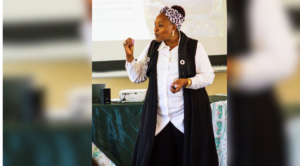
“I wanted to build something rooted deeply in compassion, but also anchored by immediate, practical action,” Chimowa explains passionately. “When a woman gives birth, she shouldn’t just be fighting to survive the experience. She should feel celebrated, carefully looked after, and fundamentally safe, exactly the same way I felt when I was at my lowest point in Europe.”
Bridging Two Worlds: The Path to Lumera
Chimowa’s deep familiarity with healthcare environments did not suddenly materialise during her stay in Europe. Her baseline understanding was forged decades prior, growing up in Zimbabwe. As a young woman, she became intimately familiar with local clinical settings through routine family hospital visits and by observing the everyday realities of the people within her community. She saw firsthand the quiet, systemic struggles that rural Zimbabwean mothers and infants routinely faced while attempting to navigate an underfunded public medical network.
Yet, it was only years later, after relocating to Spain and entering a different medical infrastructure, that her broader paradigm of what compassionate healthcare could truly look like completely shifted.
The care she received in Spain served as a profound epiphany. It revealed to her that true medical healing extends far beyond the mechanical administration of pharmaceuticals or the presence of advanced surgical machinery. Rather, true healing requires the presence of an emotional cushion, a deliberate human buffer of patience and respect that protects a patient’s core dignity when they are too weak to advocate for themselves.
What began as an isolating personal medical emergency in a foreign Spanish hospital has now come completely full circle. Through the strategic launch of Lumera Asociación, Chimowa is actively transforming her own past moments of physical vulnerability into a transnational pipeline of comfort and safety for Zimbabwean families. Her work serves as a living testament to a simple, universal truth: when structural compassion is allowed to cross vast oceans, it has the unique power to rewrite the birth stories of mothers thousands of miles away, one care kit at a time.