How conversations with village health workers turned an ordinary plastic basin into a newborn heat-safety idea, and why it matters as Zimbabwe gets hotter
By Chipo Tsitsi Mlambo
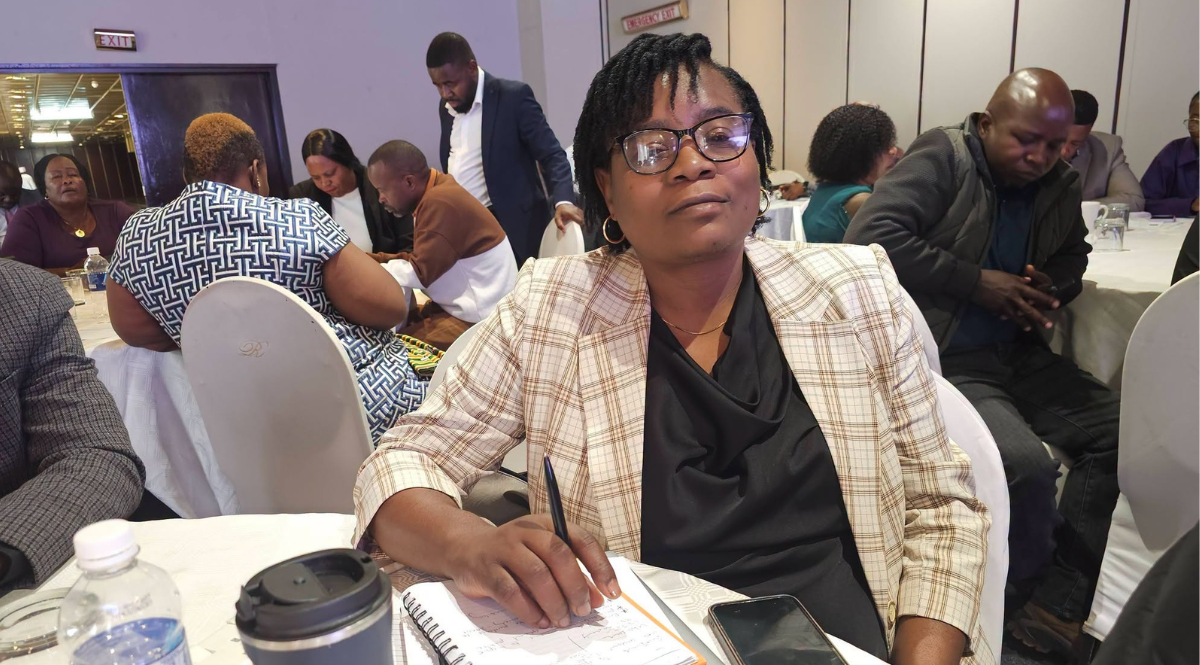
In 2018, I made a commitment to return to Zimbabwe, the country of my birth, at least twice a year from my new home in Canada. On those short two- or three-week visits, I would sit with village health workers (VHWs) in rural communities. Twenty-nine of them would gather at a rural clinic, and they quickly became my family. I also worked closely with community grandmothers trained as traditional birth attendants, whose relationships with families made so much of our work possible.
My question to them was always the same: how could RhoNaFlo help them and, through them, the wider community?
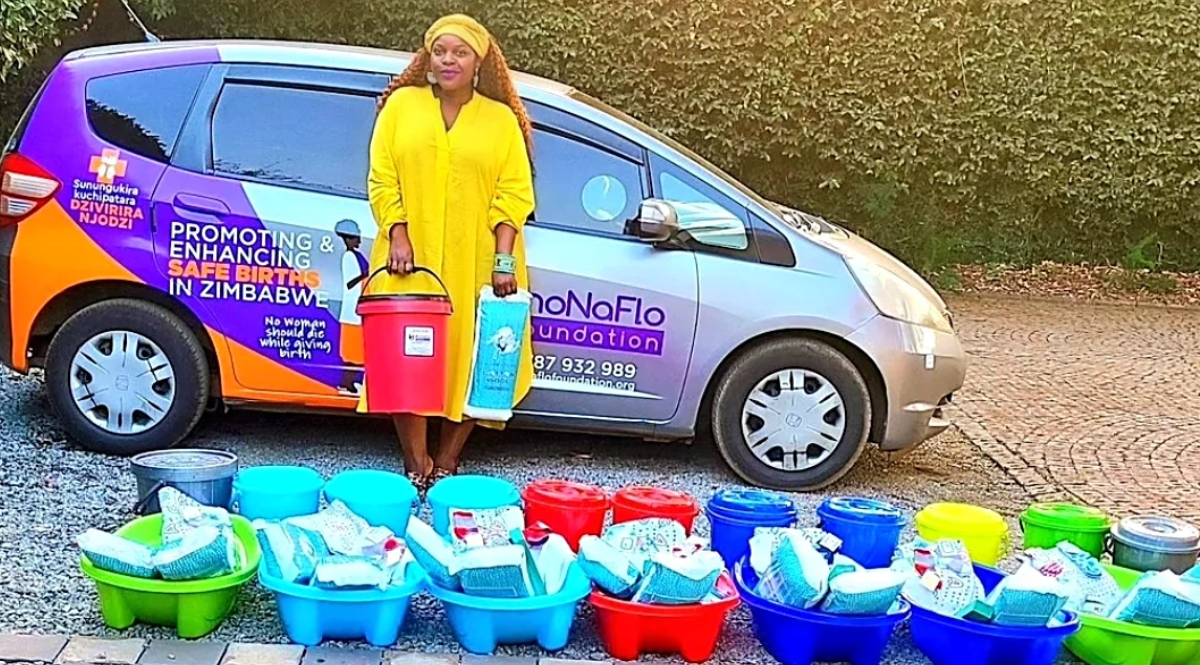
The APONA Birth Kit was born from those conversations. In 2019, I visited churches and organisations across Ontario, networking with nurses and community members and canvassing for donations. Our staple was a bucket holding the medical and non-medical essentials a mother needs when she is admitted to give birth.
As word spread that a small grassroots organization was helping mothers, we noticed something. The women and girls seeking the kit were getting younger and younger.
The babies I couldn’t stop thinking about
On my next visit, I asked to meet the VHWs who were encountering and referring pregnant girls, and I asked what they were seeing on home visits. On that trip I visited about 15 homes and met young mothers with their newborns.
What I could not shake was the sight of those babies. They were swaddled and then covered in heavy blankets, so completely that you could barely see their beautiful faces. Underneath, they wore woollen hats and socks. Sometimes beads of sweat were visible on their foreheads.
When I asked for a baby to be uncovered, the answer was usually the same: “Vakapindwa nechando panhova vanozorwara” — if cold air gets into the fontanelle, the baby will fall sick. What did I know? But I had more questions.
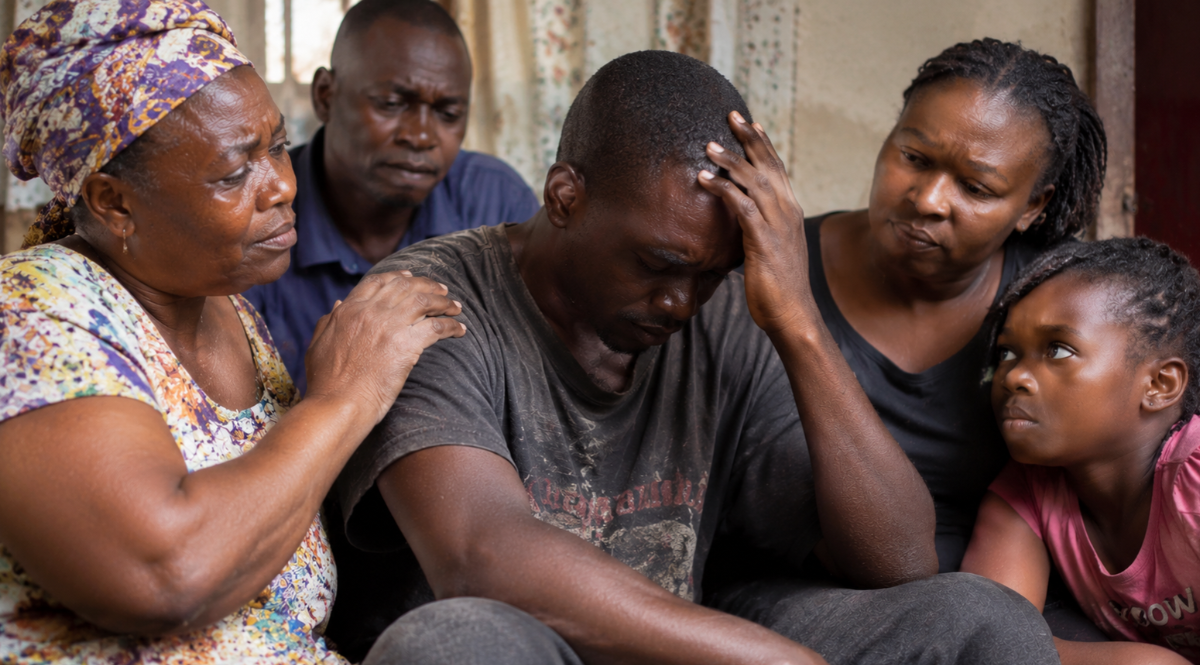
One afternoon, we sat outside a homestead eating groundnuts we had been offered, chatting with a young mother and the VHW who had introduced us. When I was invited into the house, the heat hit my face and I gasped out loud. The baby was asleep, swaddled and covered with a heavy blanket. I asked if we could bring the baby outside.
As we talked, the young mother told me she lived alone and survived by doing chores for neighbors. I asked where the baby stayed while she worked. In the house, she said; she would check in from time to time.
When I had my daughter in Canada and needed to go somewhere, she came with me, in a stroller or a car seat. This young mother had neither. The heat inside that house, the swaddling, the pile of blankets on the bed: all I could think of was Sudden Infant Death Syndrome (SIDS). I was looking at a perfect recipe for disaster.
From a bucket to a bucket and a dish
Call it a divine “aha” moment, but I remembered Finland’s baby box. For decades, Finnish families have received newborn essentials through a national program, and the box doubles as the baby’s first bed. But I could already hear what people would say if I started telling mothers to put their babies in cardboard boxes: Chipo anotsvinya — Chipo is mocking us.
Then the plastic dish came to mind. Every household knows it, and nobody would laugh at it.
My idea was simple: the dish could travel with her. It could bathe the baby, but it could also give the baby a space of its own. While she worked, her baby could lie beside her in the shade, uncovered, instead of alone under blankets in a hot house. At night, the dish could keep the baby clear of heavy bedding and away from an exhausted young mother who might not be fully alert.
And so the APONA Birth Kit grew from a bucket to a bucket and a dish.
Today, I would say it more carefully. The dish was never a tested product or a replacement for a cot. Babies need a firm, flat, clear and separate sleep surface, and they should never be left unattended. But the problem it tried to solve — a mother with no stroller, no help and a baby overheating indoors — has not gone away. It is getting worse.
What the evidence now tells us
I did not have the research language for it then, but what I was seeing in those homes was heat stress. The science has since caught up with what those homes were telling me.
A 2024 study in Nature Medicine examined 138,015 births across 16 hospitals in Benin, Malawi, Tanzania and Uganda. Exposure to extreme heat in the week before childbirth was associated with 34% higher odds of perinatal death — stillbirth or death within 24 hours of birth — and the association was stronger in the six hottest months of the year. Zimbabwe was not in that study, but Malawi is our neighbor. We would be naive to assume our mothers are spared.
A 2020 review in The BMJ, covering 70 studies in 27 countries, found that the odds of preterm birth rise by about 5% for every 1°C increase in temperature, and by 16% during heatwaves. All eight studies that looked at stillbirth found a link with heat. The risks appeared greater for women in lower socioeconomic groups.
The danger does not end at birth. Newborns cannot regulate their body temperature the way adults can. Hot rooms, heavy wrapping and covered heads all contribute to overheating, a recognized risk factor for SIDS. Safe-sleep campaigns around the world warn against exactly what I saw.
Zimbabwe sits squarely in harm’s way. We have been ranked among the 20 countries most affected by extreme weather worldwide. In 2024, we lived through our worst drought in 40 years. In January 2026, the Meteorological Services Department and the Department of Civil Protection issued a nationwide advisory warning of heat stress and dehydration for vulnerable groups.
We also have real progress to protect. The 2023–24 Zimbabwe Demographic and Health Survey reported a maternal mortality ratio of 212 deaths per 100,000 live births, down from 651 in 2015. Rising heat threatens those gains, and it will hit hardest where families have the least: homes that trap heat, unreliable water and electricity, and young mothers who cannot stop working through the hottest hours of the day.
Climate change is not only about drought, crop failure and water shortages. It is about the conditions in which women carry pregnancies, give birth, recover and care for their newborns.
Why I am telling this story now
Designing programs that work for the communities I serve has become something I simply do. I listen, I observe, I ask questions, and I look for practical ways to respond. People saw RhoNaFlo canvass for buckets and dishes for years, but I never explained why I wanted the dish. I hope that by sharing it, others can learn from the process and build on it.
Listen to village health workers and community grandmothers first. They saw this problem long before any study named it. Their knowledge belongs in every maternal health and climate adaptation plan.
Work with culture, not against it. Mothers wrap their babies out of love. Health messages that dismiss long-held beliefs will fail; messages that respect them while explaining the risks of overheating can succeed.
Make heat part of every newborn visit and every birth kit. VHWs need practical guidance to spot a baby who is sweating, hot to the touch, overdressed or left alone in a hot room, and to help families find safer sleeping arrangements with what they actually have.
Test what communities invent. I would welcome researchers, the Ministry of Health and Child Care and partners to evaluate low-cost ideas like the dish, so that what is safe and effective can be scaled.
Put mothers and newborns into climate adaptation plans. Heat alerts must reach VHWs, pregnant women and new mothers, not only farmers.
None of this replaces the bigger work. No plastic dish can compensate for inadequate housing, unreliable water or gaps in maternity care. Protecting mothers and newborns in a warming Zimbabwe requires investment in resilient health services and climate policies that take the most vulnerable families seriously.
I did not create the plastic dish. I simply dared to reimagine its use.
Chipo Tsitsi Mlambo is a Zimbabwean-born, Canada-based maternal health and postpartum equity advocate and community health strategist. She is the founder of the RhoNaFlo Foundation and creator of the APONA Birth Kit and the Purple Door Program, which the University of Zimbabwe adopted as a case study in its Master’s module on Women’s Law and Social Justice Strategies. She can be reached at chipo@rhonaflofoundation.org.
References for the editor
- Hanson C, et al. A time-stratified, case–crossover study of heat exposure and perinatal mortality from 16 hospitals in sub-Saharan Africa. Nature Medicine. 2024;30:3106–3113. https://doi.org/10.1038/s41591-024-03245-7
- Chersich MF, et al. Associations between high temperatures in pregnancy and risk of preterm birth, low birth weight, and stillbirths: systematic review and meta-analysis. BMJ. 2020;371:m3811. https://doi.org/10.1136/bmj.m3811
- Bach V, Libert J-P. Hyperthermia and heat stress as risk factors for sudden infant death syndrome: a narrative review. Frontiers in Pediatrics. 2022. https://doi.org/10.3389/fped.2022.816136
- Zimbabwe National Statistics Agency and Ministry of Health and Child Care. Zimbabwe Demographic and Health Survey 2023–24: Key Findings. June 2025.
- UNICEF Zimbabwe. Situation of Children in Zimbabwe (2024 drought). https://www.unicef.org/zimbabwe/situation-children-zimbabwe
- Meteorological Services Department and Department of Civil Protection. Heat advisory, 29 January – 5 February 2026.
- Global Climate Risk Index (2000–2019 rankings), as cited by the World Bank.