By Michael Gwarisa
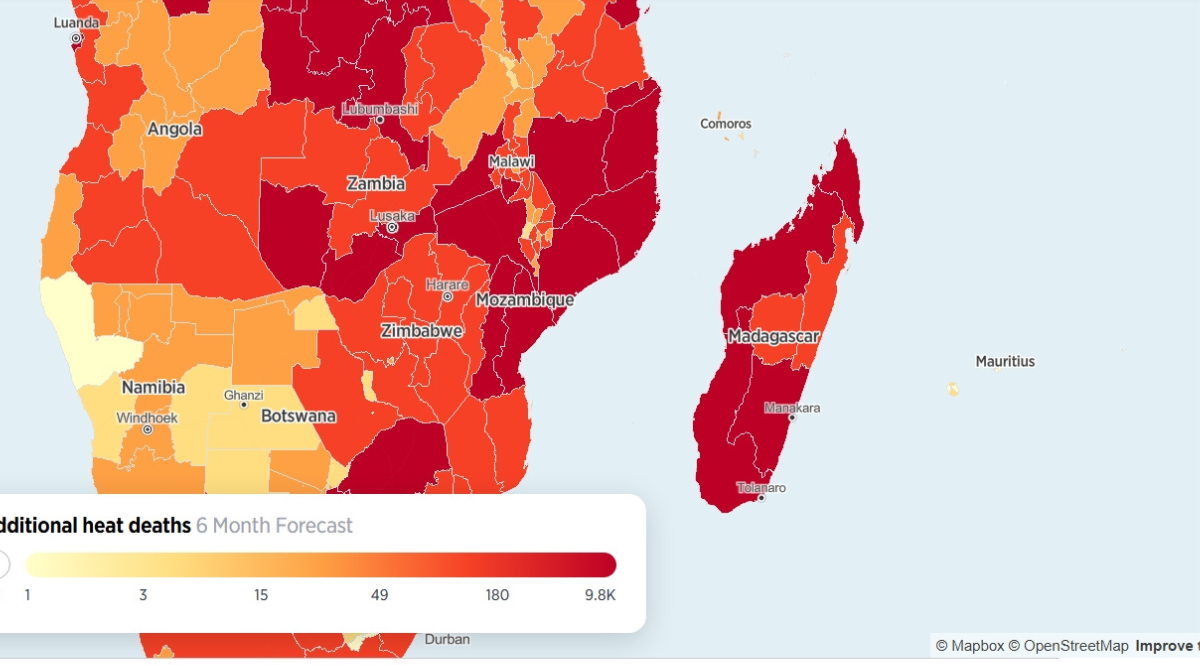
About 130 additional heat-related deaths could occur in Zimbabwe over the next six months as the country faces unusually high temperatures linked to the current El Niño conditions, according to the El Niño Heat Mortality Tracker, while a prominent doctor has warned that extreme heat could also increase the risk of potentially fatal cardiovascular complications.
The projection adds urgency to a public health advisory issued by the Ministry of Health and Child Care, which is urging Zimbabweans to take precautions against extreme heat, particularly as the 2026/2027 seasonal climate outlook points to warmer-than-normal temperatures and below-normal rainfall.
Prominent medical practitioner Dr Johannes Marisa told HealthTimes that the current heat should not be dismissed as ordinary hot weather, warning that prolonged exposure can trigger a chain of complications ranging from dehydration and fainting to heatstroke, kidney damage and potentially fatal heart problems.
“This heat is very dangerous, very, very dangerous, with a lot of heat-related illnesses that can arise,” Dr Marisa said.
He said one of the early consequences of excessive heat is heat cramps, which occur when heavy sweating results in the loss of fluids and salts.
“You can have painful muscles, spasms and cramps. We also have what we call heat syncope, which is fainting,” he said.
Dr Marisa explained that heat syncope can occur when the body’s blood vessels dilate in response to high temperatures, potentially reducing blood flow to the brain and causing a person to faint. Prolonged exposure can then progress to heat exhaustion, with symptoms including heavy sweating, dehydration, weakness, a weak pulse, nausea and headaches.
But the greatest danger comes when heat exhaustion progresses to heatstroke, which Dr Marisa described as a medical emergency.
“When you get heatstroke, body temperature can rise past 40 degrees Celsius, and you can have somebody who is very, very agitated, confused or even unconscious,” he said.
The doctor warned that severe heat can place considerable strain on vital organs and potentially contribute to life-threatening complications.
“With reduced blood flow to the major organs, you may actually get even heart attacks. You can dehydrate and damage your kidneys, affect the heart and so forth,” Dr Marisa said.
The warning comes against a backdrop of projections that global land temperatures will remain significantly above normal during the current El Niño event.
The Climate Impact Report estimates that 51,000 additional heat-related deaths could occur globally during the first nine months of the El Niño event, from June 2026 to February 2027, with Africa expected to account for a significant share of the burden.
The El Niño Heat Mortality Tracker projects an estimated 130 additional heat-related deaths in Zimbabwe over a six-month period. The figures are projections of additional heat-related mortality and should not be interpreted as confirmed deaths or as deaths caused solely by heart attacks.
The Ministry of Health and Child Care has warned that high temperatures, prolonged exposure to direct sunlight and strenuous physical activity can overwhelm the body’s ability to regulate its temperature, resulting in dehydration, heat exhaustion and potentially fatal heatstroke.
The ministry says children, older persons, pregnant women, people living with chronic illnesses, persons with disabilities and outdoor workers, including farmers, construction workers and vendors, are particularly vulnerable.
It is urging members of the public to drink safe water regularly throughout the day, even when they are not thirsty, and to limit outdoor activities during the hottest hours, generally from late morning to mid-afternoon. People should stay in shaded, cool and well-ventilated places and take regular breaks when working outdoors.
The ministry also recommends lightweight, loose-fitting clothing and the use of hats or umbrellas to protect against direct sunlight. Families are being urged to regularly check on children, older people and people living with chronic illnesses. Children should never be left unattended in parked vehicles.
Employers have also been urged to protect outdoor workers by providing drinking water, shaded rest areas and regular breaks. The public should remain alert for signs of heat exhaustion, including heavy sweating, intense thirst, headache, dizziness, weakness, nausea, vomiting and muscle cramps.
Anyone showing these symptoms should be moved to a cool place, have their clothing loosened and be cooled with water and fanning. Drinking water may be provided if the person is fully alert and able to swallow safely.
Heatstroke requires immediate medical attention.
Warning signs include confusion, unusual behaviour, seizures, collapse or loss of consciousness after exposure to excessive heat. The skin may be hot and dry or sweaty, and the ministry warns that people should not wait for all symptoms to appear before seeking help.
When heatstroke is suspected, the affected person should immediately be moved to a cool, shaded or well-ventilated place, excess clothing removed and rapid cooling started using cold water, wet cloths and fanning. Cold-water immersion may be used where feasible and safe, and cooling should continue while awaiting medical assistance.
Fluids should not be given to anyone who is confused, unconscious or unable to swallow safely. The ministry also warns against using paracetamol or aspirin to treat heatstroke.
Dr Marisa urged Zimbabweans to take the heat seriously, particularly when high temperatures persist.
“When you have heat like what we have today, you can have a lot of death actually coming, or morbidity, meaning a lot of diseases or conditions which can arise as a result of the heat,” he said.
The Ministry of Health and Child Care has called on the media, schools, employers, local authorities, community leaders and health workers to reinforce heat-safety messages and promote practical measures to prevent heat-related illness.
The public is encouraged to follow weather updates and official health advisories.
The message from health authorities is clear: prevent excessive heat exposure, stay hydrated, recognise the warning signs, cool affected people rapidly and seek medical help without delay when heatstroke is suspected.