By Michael Gwarisa
At least 67 healthcare workers have died from Ebola in the Democratic Republic of Congo (DRC), as the country’s outbreak has grown to twice the size of the largest previous Ebola outbreak at a comparable stage, according to the Africa Centres for Disease Control and Prevention (Africa CDC).
A total of 427 healthcare workers have been infected since the outbreak began, highlighting the growing risks faced by health workers responding to the disease across the country. Africa CDC’s latest figures show that the DRC has recorded 10,668 confirmed Ebola cases and 5,198 deaths, with infections reported across 67 health zones in eight provinces.
The figures were presented during an Africa CDC briefing on Thursday, where officials warned that the outbreak remains active despite signs of improvement in some areas.
At 174 days, the current outbreak had recorded 10,699 cases and 5,202 deaths across the affected countries, compared with 5,357 cases and 2,630 deaths recorded during the 2014 West Africa Ebola outbreak at a comparable point. Africa CDC described the current outbreak as twice as large in both cases and deaths as the previous largest Ebola event at the same stage.
Dr Wessam Mankoula, lead of the Continental Incident Management Support Team for the Ebola response, said the outbreak could not yet be considered under control, with between 400 and 550 cases being reported every week.
He attributed the continued transmission to several factors, including weaknesses in surveillance and contact tracing, inadequate deployment of community health workers, community mistrust, security challenges and insufficient resources. One of the biggest challenges is the inability of response teams to identify and monitor all people who may have been exposed to infected patients.
Africa CDC said the DRC is expected to have more than 640,000 contacts based on the number of confirmed cases, but only about 137,565 contacts have actually been listed. This represents just 21.4 percent of the expected contact-listing benchmark. As a result, more than 85 percent of new cases are being detected outside the known contact list.
Mankoula said only about 11 percent of confirmed cases were currently linked to known and monitored contacts, against a target of at least 95 percent.
“Without investing more in contact listing and contact tracing, we still see most of the chains of transmission are invisible,” he said.
The failure to identify transmission chains is being compounded by the fact that many people are still dying in their communities rather than in Ebola treatment units, according to Africa CDC.
On average, 63 percent of Ebola deaths in the DRC are occurring in communities, a pattern the agency said demonstrates continuing gaps in early detection and care-seeking behaviour.
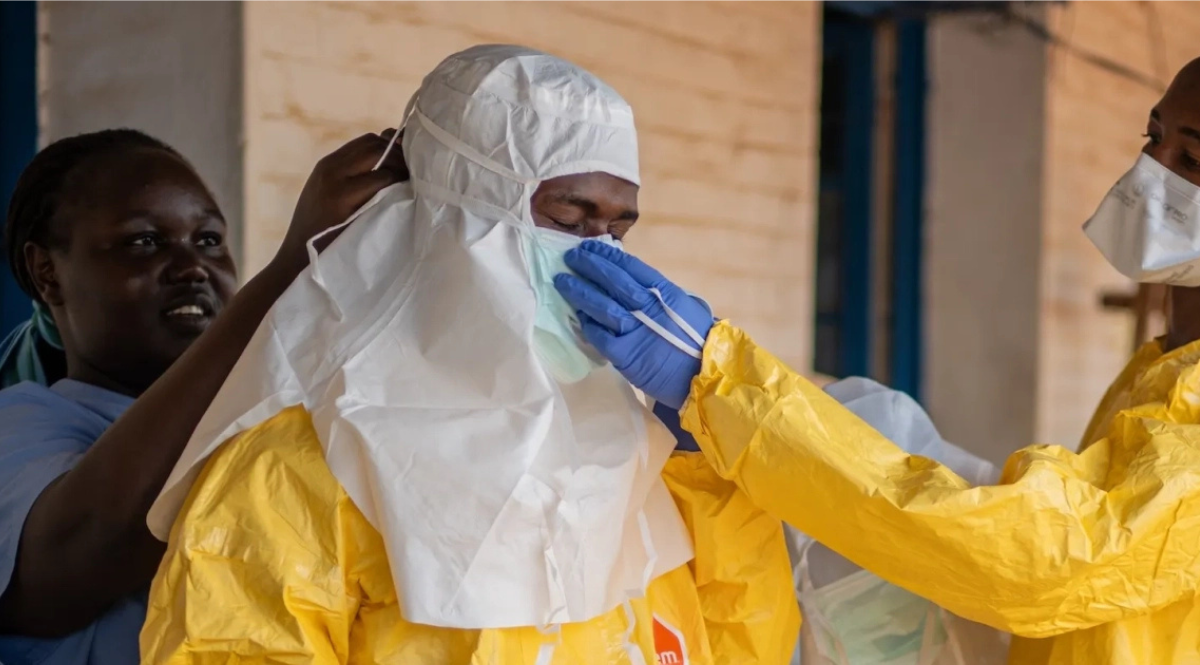
For healthcare workers, the risks extend beyond specialised Ebola treatment centres.
Prof Yap Boum II, the Africa CDC Deputy Incident Manager who was also present in the briefing, said more than 400 healthcare workers had been infected and 67 had died, prompting calls for stronger protection of workers in both public and private facilities.
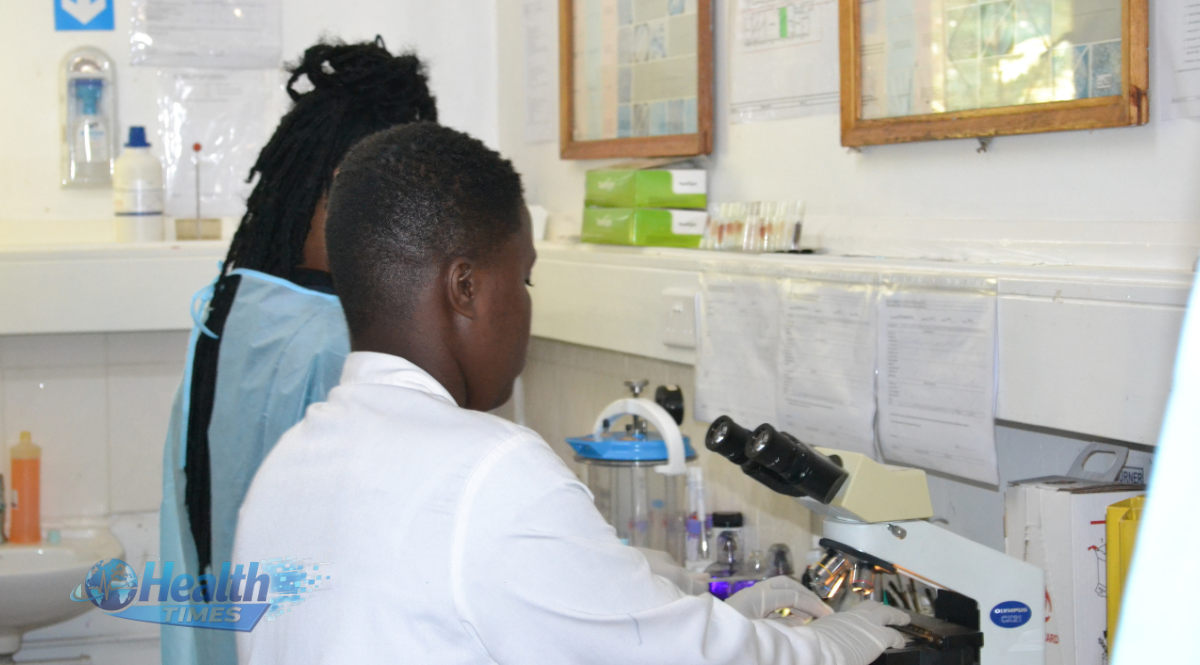
He said healthcare workers outside Ebola treatment centres needed greater access to training and personal protective equipment, particularly as they continue to interact with patients who may not yet have been diagnosed.
The response review also identified the need to strengthen coordination, surveillance, laboratory capacity and the deployment of community health workers.
The outbreak has continued to place pressure on the DRC’s health system as it expands geographically. Africa CDC said affected health zones increased from 24 on June 1 to 46 by July 15 and 62 by September 15, reaching 67 by November 3. Eight provinces are currently affected.
However, officials said there are signs of progress in some areas. Eight health zones have remained without a reported case for more than 42 days, while another eight are in the control phase after recording no cases for between 21 and 42 days. Nevertheless, 51 health zones remain active, with cases reported within the previous 21 days.
Mankoula also warned that the response continues to face a significant funding gap.
Of the US$3 billion pledged to support the response and preparedness efforts, less than US$1 billion has so far been disbursed, according to Africa CDC.
“This outbreak will not be controlled by pledges, but it will be controlled by resources that move from pledges to disbursement,” Mankoula said.
Africa CDC said protecting healthcare workers, strengthening contact tracing and surveillance, improving infection prevention and control and ensuring adequate supplies of personal protective equipment will remain critical to bringing the outbreak under control.
Meanwhile, vaccination and treatment trials are continuing in the DRC. As of November 3, more than 20,000 frontline workers had been vaccinated through the compassionate-use and BRAVO programmes, while 55 people had received vaccination under the Phase 2/3 Tumaini trial launched in Bunia on October 23.
With 67 healthcare workers already lost and transmission continuing across dozens of health zones, Africa CDC says the priority is now to strengthen the response on the ground, particularly by identifying contacts earlier, protecting health workers and ensuring that pledged resources reach communities where the outbreak remains active.