By Michael Gwarisa in Chipinge
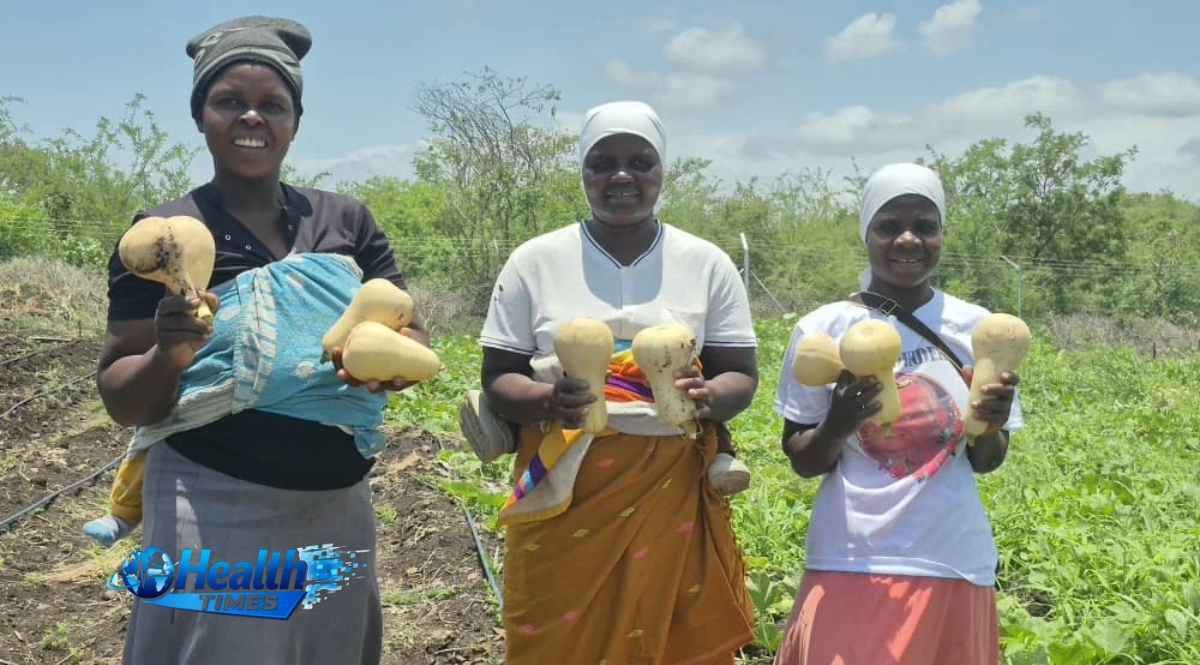
CHIPINGE– Five Village Business Units (VBUs) have been handed over to communities in Chipinge under an initiative seeking to strengthen food security, livelihoods and resilience to climate-related shocks in one of Zimbabwe’s drought-prone districts.
The interventions, implemented by the Zimbabwe Red Cross Society through the Southern Africa Compounded Crisis (SACC) Project, combine livelihood support with investments in water infrastructure, reflecting a growing recognition that communities facing recurrent droughts and food insecurity need more than short-term humanitarian assistance.
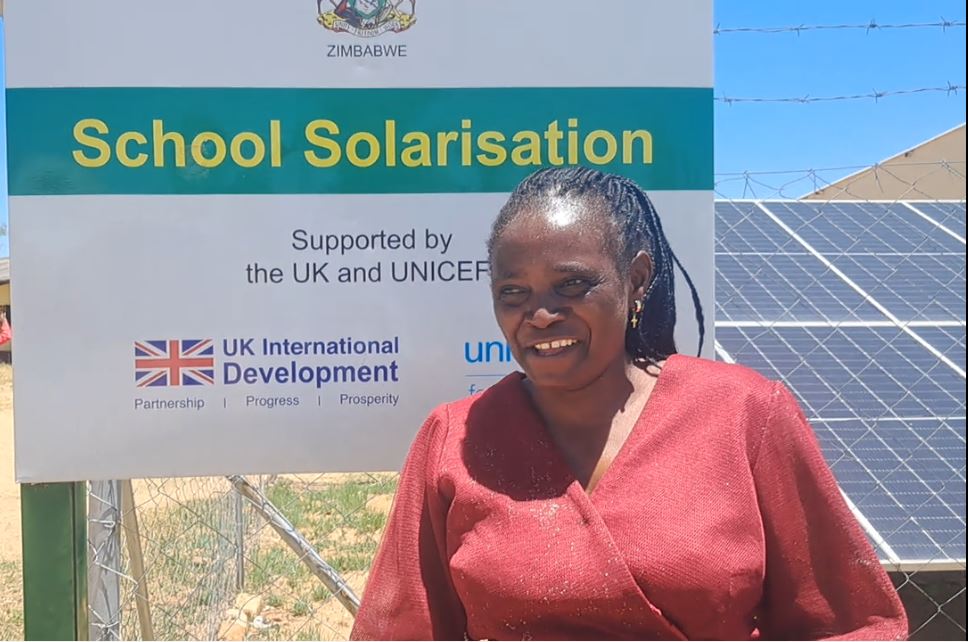
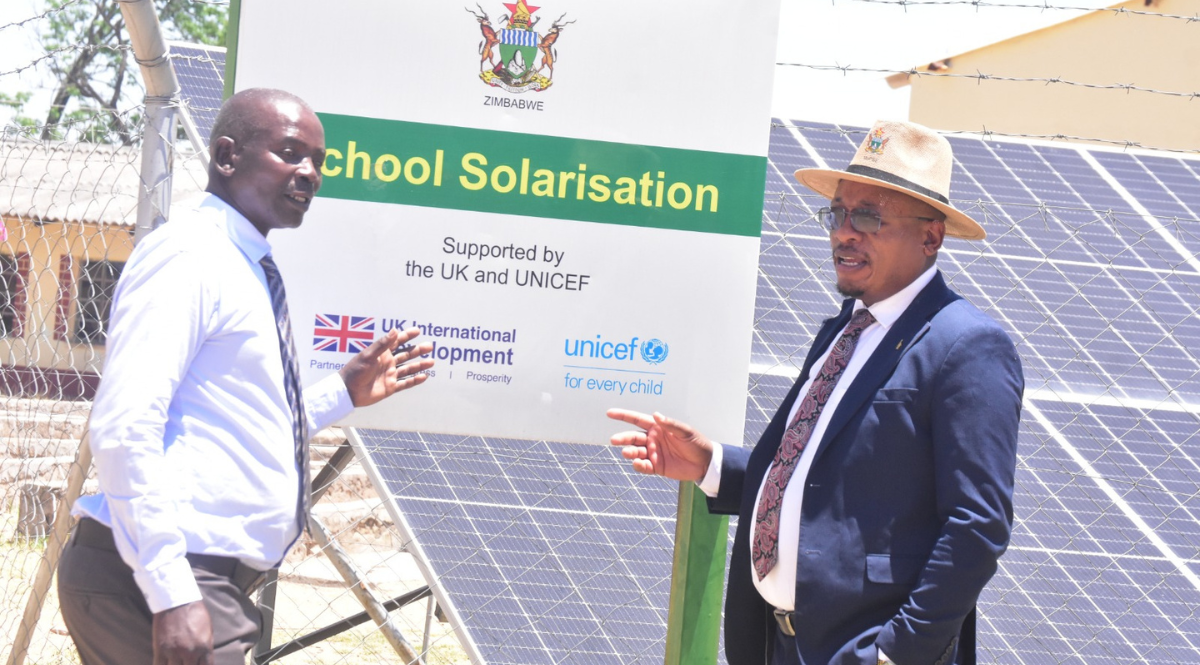
The handover, held on Thursday, also included the commissioning of the Muzarangebeto solarised borehole, with Government describing the interventions as investments in health, agricultural productivity, food security and community resilience.
Representing Manicaland Minister of State for Provincial Affairs and Devolution Misheck Mugadza, Director of Economic Affairs and Investment Promotion Munyaradzi Rubaya said communities were facing interconnected pressures from climate change, drought, food insecurity, water shortages and limited livelihood opportunities.
“These interconnected challenges require integrated and sustainable interventions that address both immediate needs and the underlying vulnerabilities of communities,” Rubaya said.
He said the solarised borehole was more than a water infrastructure project, noting that reliable access to water has implications for household wellbeing, sanitation, agriculture and livelihoods.
“For rural communities, water scarcity can have far-reaching consequences, affecting household consumption, sanitation, livestock production, gardening and other livelihood activities,” the Government said in remarks delivered at the event.
The SACC Project is being implemented by the Zimbabwe Red Cross Society in collaboration with the International Federation of Red Cross and Red Crescent Societies, with support from the Netherlands Red Cross. In Chipinge, the programme focuses on water, sanitation and hygiene, food security, sustainable livelihoods and strengthening communities’ ability to anticipate and recover from disasters and climate-related shocks.
Zimbabwe Red Cross Society Secretary General Elias Hwenga said the interventions were intended to help communities move beyond dependence on humanitarian assistance by creating opportunities for sustainable livelihoods.
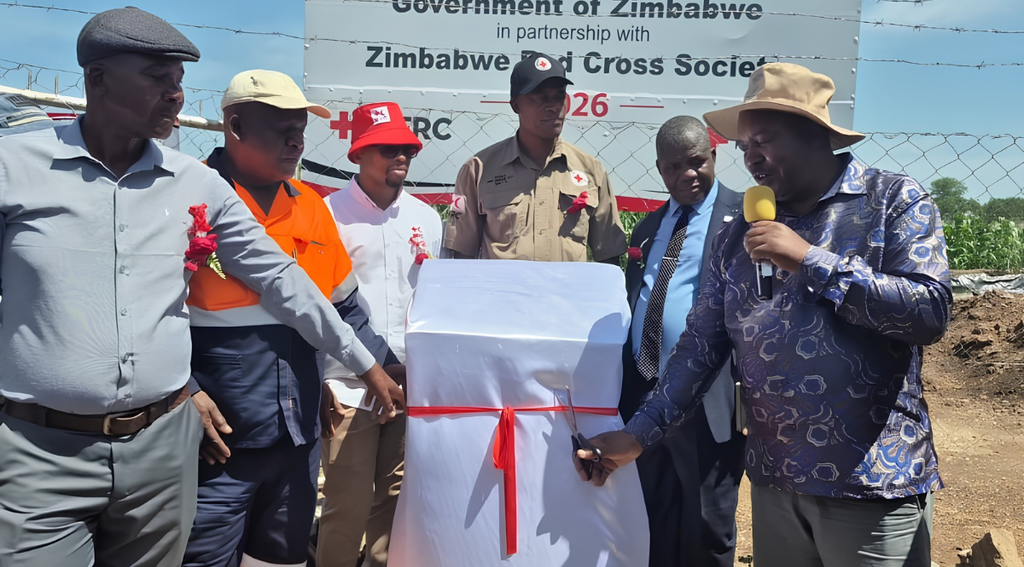
“Today’s commissioning and handover of the Muzarangebeto solarised borehole and the Batanai Village Business Unit represents hope, opportunity, dignity and our shared commitment to ensuring that communities are better equipped to withstand, respond to and recover from the multiple challenges they face,” Hwenga said.
Hwenga said access to reliable water was fundamental not only to public health but also to food security and household economic activity. He noted that water shortages could affect sanitation, livestock production, gardening and other livelihood activities, with women, girls and other vulnerable groups often carrying a disproportionate burden when water sources were distant or unreliable.
The solarisation of the Muzarangebeto borehole, he said, also demonstrated the importance of climate-conscious technologies that could provide essential services while reducing dependence on conventional energy sources.
But Hwenga said infrastructure alone would not guarantee lasting impact.
“The true measure of this investment will not simply be the commissioning of the borehole today. Its success will be reflected in how effectively it is managed, maintained and utilised to benefit the community over the long term,” he said.
The five Village Business Units, Tasimuka, Tamanewako 2, Batanai Ward 27, Chinyamingwiriri and Batanai Ward 29, are intended to provide platforms for income generation, local enterprise development and improved household economic resilience.
Hwenga urged beneficiaries to embrace accountability, cooperation and sound business practices so that the enterprises remain viable beyond the project period.
The approach, he said, was designed to ensure communities were not merely recipients of humanitarian assistance but active participants and custodians of solutions intended to improve their lives.
For IFRC, the project demonstrates the potential of locally led humanitarian action when communities, government and humanitarian organisations work together.
IFRC Harare Cluster Head of Delegation Kopano Masilo commended the Zimbabwe Red Cross Society for its role in mobilising international support and implementing the programme.
“Donor funding is not new, it will not be the end, but in most communities it comes and goes without nothing. But what we have witnessed here from these gardens, from the technical knowledge that has been left, and from what we shared about the elements of sustainability where communities stand on their own, they buy things that are not part of the project. And that is huge,” Masilo said.
He said the communities’ ownership of the interventions was particularly encouraging, pointing to the technical knowledge transferred through the project and efforts by communities to sustain activities beyond the assistance initially provided.
Masilo also highlighted the importance of Government involvement, saying the “whole of government approach” witnessed during implementation had strengthened the programme.
The project’s emphasis on water, nutrition, food production and livelihoods comes as communities across Zimbabwe continue to contend with the effects of climate variability and recurrent droughts.
For Chipinge’s beneficiaries, the challenge now shifts from receiving the infrastructure to protecting, managing and using it productively. As Hwenga put it, the broader ambition is to move communities “from vulnerability to resilience, from dependency to opportunity, and from surviving crises to shaping a more secure and sustainable future.”