By Michael Gwarisa
CHIRUMHANZU District in Zimbabwe’s Midlands Province has achieved a 95 percent viral load suppression rate among children and adolescents living with HIV, with health officials attributing the progress to a peer-support model that is helping young people remain on treatment and navigate the challenges of living with HIV.
The achievement comes as Zimbabwe continues to make progress towards the UNAIDS 95-95-95 targets, although children and adolescents continue to face particular challenges with treatment adherence, retention in care and viral load suppression. Health workers in Chirumhanzu say involving young people themselves in supporting their peers has helped address some of these challenges, particularly around disclosure, stigma and treatment fatigue.
At the centre of the district’s approach is the Community Adolescent Treatment Supporter (CATS) programme, a peer-support model in which adolescents and young people living with HIV are trained to provide treatment support, encouragement and practical guidance to their peers. The model creates a trusted space where young people can discuss issues they may be uncomfortable raising with adults or health workers. In Chirumhanzu, the programme has expanded from an initial group of 15 trained adolescent peer supporters to 36 peer providers as demand for the service has grown.
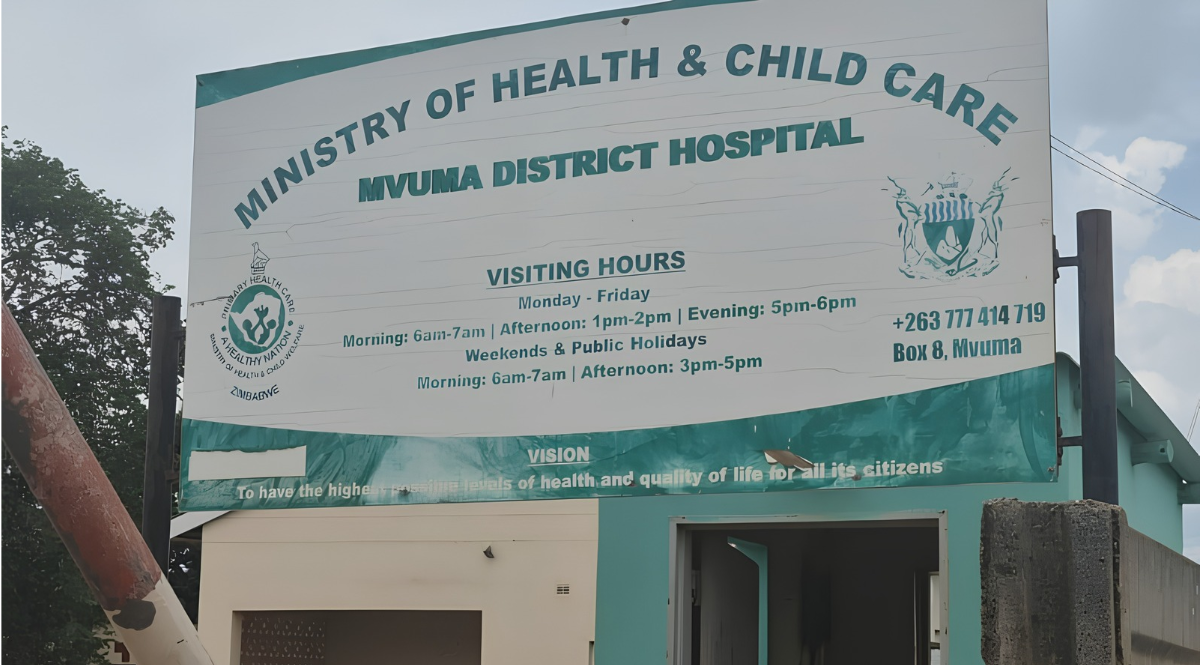
Speaking to journalists in Mvuma during a media tour ahead of the World AIDS Day commemorations at Checheche Growth Point in Midlands Province, Chirumhanzu Acting District Nursing Officer Cecelia Nyika said the district had recorded significant improvements in HIV treatment outcomes among young people.
“From 2022 up to date, we have not recorded any HIV-related deaths among our adolescents. If we record a single HIV-related death, we have to conduct an audit to find out the cause,” Nyika said.
She said the district’s overall viral load suppression rate had reached 95 percent, including among children and adolescents, which she attributed in part to the support systems available to young people living with HIV.
Nyika said adolescents required services that recognised their unique needs and experiences. Health workers in the district have therefore been trained to provide adolescent-friendly services, while peer supporters provide an additional layer of support outside the formal clinical environment.
“These adolescents need special care. Our facilities and nurses were trained to handle adolescents and are able to offer adolescent-friendly services. These adolescents are not afraid to disclose whatever they may be facing to their peers,” she said.
The peer-support approach has also helped the district tackle one of the longstanding challenges in paediatric HIV care: disclosure. According to the district AIDS coordinator, some children previously struggled to understand why they were living with HIV when their siblings or other family members were HIV-negative.
The resulting questions, stigma and emotional distress could contribute to treatment interruptions and loss to follow-up. The CATS programme has provided a bridge between health workers and young people, allowing trained peers to provide reassurance while reinforcing the importance of adherence.
The district AIDS coordinator said trained CATS members work with cohorts of young people living with HIV, helping them understand their status, build confidence and remain engaged with treatment.
“We used to have challenges with issues of HIV disclosure. We would record many defaulters because the children would ask themselves, ‘Why me?’ when all my siblings are HIV-negative,” the coordinator said.
“The CATS programme is peer-to-peer. These adolescents come in to bridge the gap. They have been trained to understand issues of adherence and are able to support their peers.”
According to the coordinator, the intervention has contributed to improved adherence and retention in care, while viral suppression among adolescents has also increased.
The programme currently operates in nine health facilities in Chirumhanzu. Health officials say adolescents supported through the programme are not only remaining on treatment but are also experiencing improved quality of life, with fewer disruptions to their education because of illness.
For Chirumhanzu District Medical Officer Dr Simbarashe Maunga, sustaining the gains will now depend on maintaining the peer-support infrastructure as donor funding arrangements change.
He said the CATS programme had benefited from support from the Global Fund and Zvandiri, with the two programmes reaching different numbers of districts. The Global Fund-supported CATS programme operated in three districts, while Zvandiri supported programmes in more than 19 districts.
“The CATS and HIV programme is a good programme and we have had advantages as Chirumhanzu. We are trying by all means to have a sustainability plan, especially for those programmes previously supported by Zvandiri,” Maunga said.
He said the National AIDS Council was increasingly expected to play a greater role in supporting HIV programmes as Zimbabwe sought to sustain services amid changing funding arrangements.
Beyond treatment outcomes, the district is also trying to ensure that the benefits of the CATS programme continue after young people reach the traditional age cut-off for adolescent services.
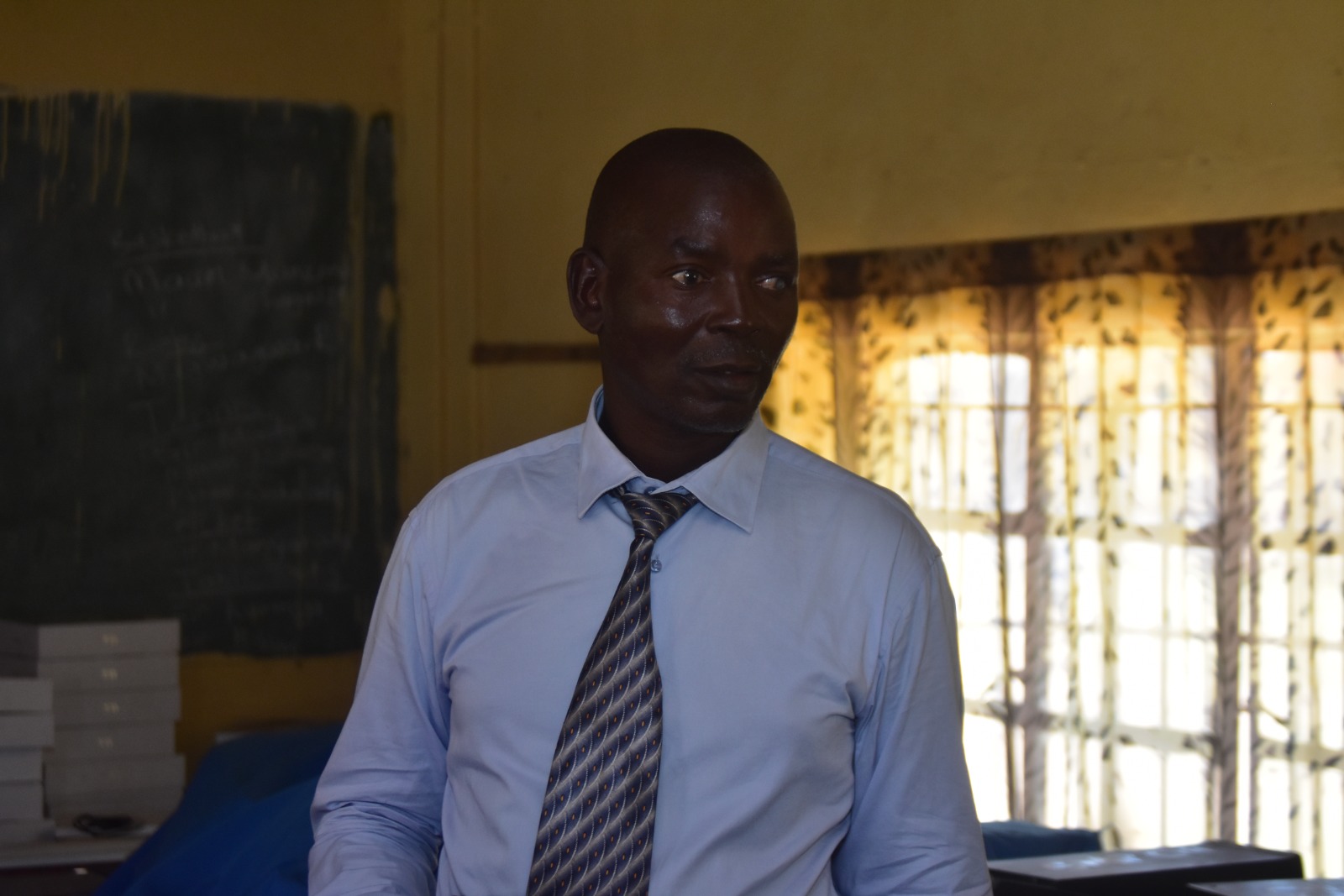
Chirumhanzu District CATS Supervisor Lewis Mache said the programme, which supports young people from childhood through 24 years, was increasingly focusing on what happens after they leave the programme.
“Previously, we would say after 24, we would let them go. Now we are keeping them in the system by giving them something to do to better their lives and continue supporting other children,” Mache said.
He said former CATS members had gone on to pursue nursing, university education and other careers, while some were now working in health facilities in the district.
Chirumhanzu currently has 1,034 children living with HIV on antiretroviral therapy, comprising 412 males and 622 females. The expansion of the peer-support model, health officials say, has demonstrated how young people can become an important part of the response to HIV among their peers.