By Michael Gwarisa in Beitbridge
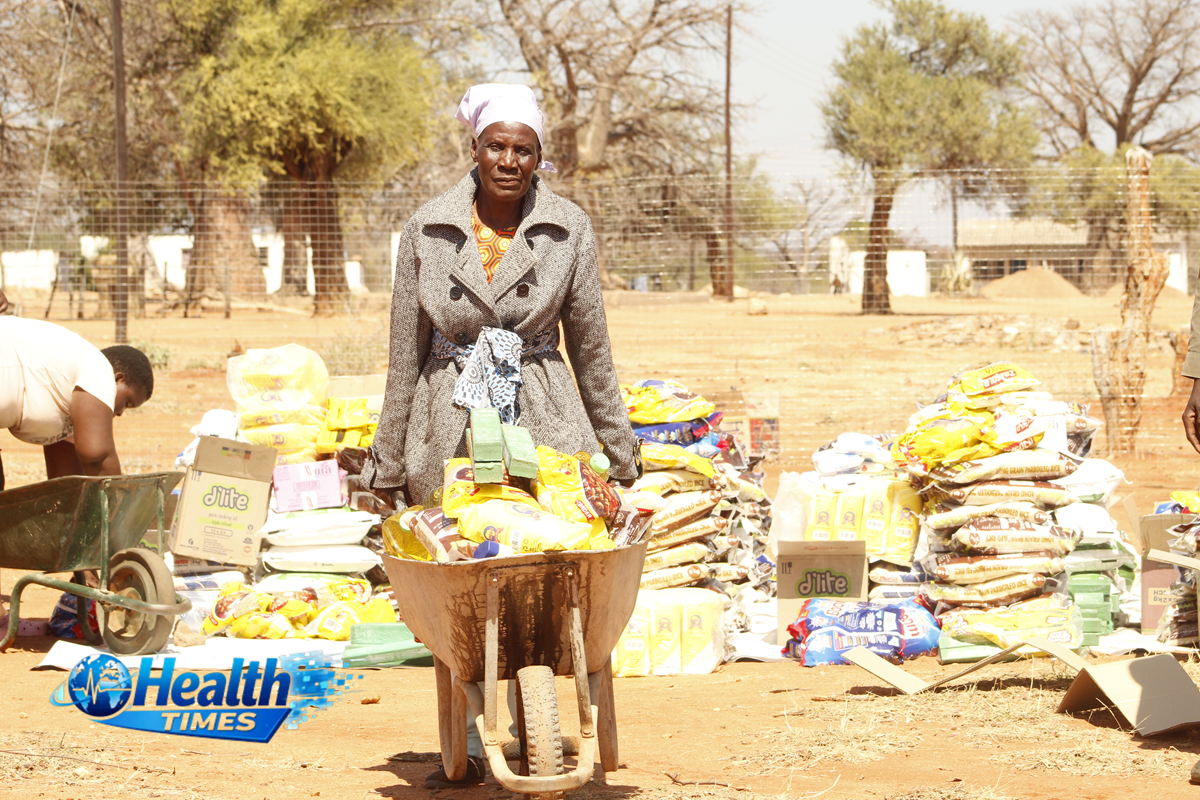
Seventy-year-old Gogo Lucia Changunda walks with a limp as she slowly pushes a wheelbarrow laden with food items and dignity kits.
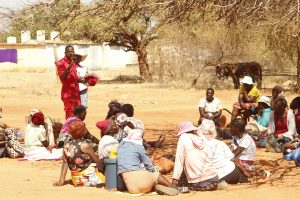
After moving only a few metres from the distribution point, where Zimbabwe Red Cross Society (ZRCS) staff, International Federation of Red Cross and Red Crescent Societies (IFRC) representatives and volunteers are providing assistance to families affected by the devastating floods, she stops to catch her breath.
She sighs and gazes ahead. In her eyes is a mixture of relief and hope.
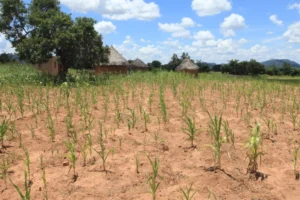
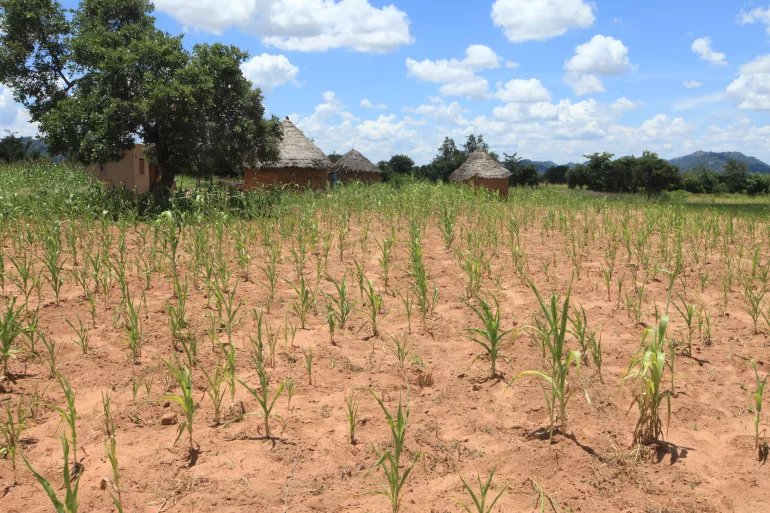
“At least now we can have normal meals,” she says. “We were having just one or two meals per day because the floods destroyed our crops.”
A few metres away, her son and daughter-in-law approach to help her push the wheelbarrow carrying the much-needed supplies towards her home.
But even as she expresses relief at receiving the assistance, memories of the devastating floods that ravaged Beitbridge in January this year remain fresh in her mind.
She recalls the terrifying night when the mud hut she had called home began to crack after days of incessant rainfall.
“I was sleeping in the hut when I heard my grandchildren shouting, ‘Gogo! Gogo! The house is moving and it is going to collapse!’” she recalls. “I woke up and found water pouring into the house. But I refused to leave.”
For two days, she held on to the home she had known for years. But as the rains continued and the structure became increasingly unstable, she eventually abandoned it.
On the very day she left, the hut collapsed, leaving her belongings soaked in water and buried in mud.
For Changunda, the assistance she is now receiving represents more than a collection of food and household items. It is part of the long and difficult journey of rebuilding a life disrupted by disaster.
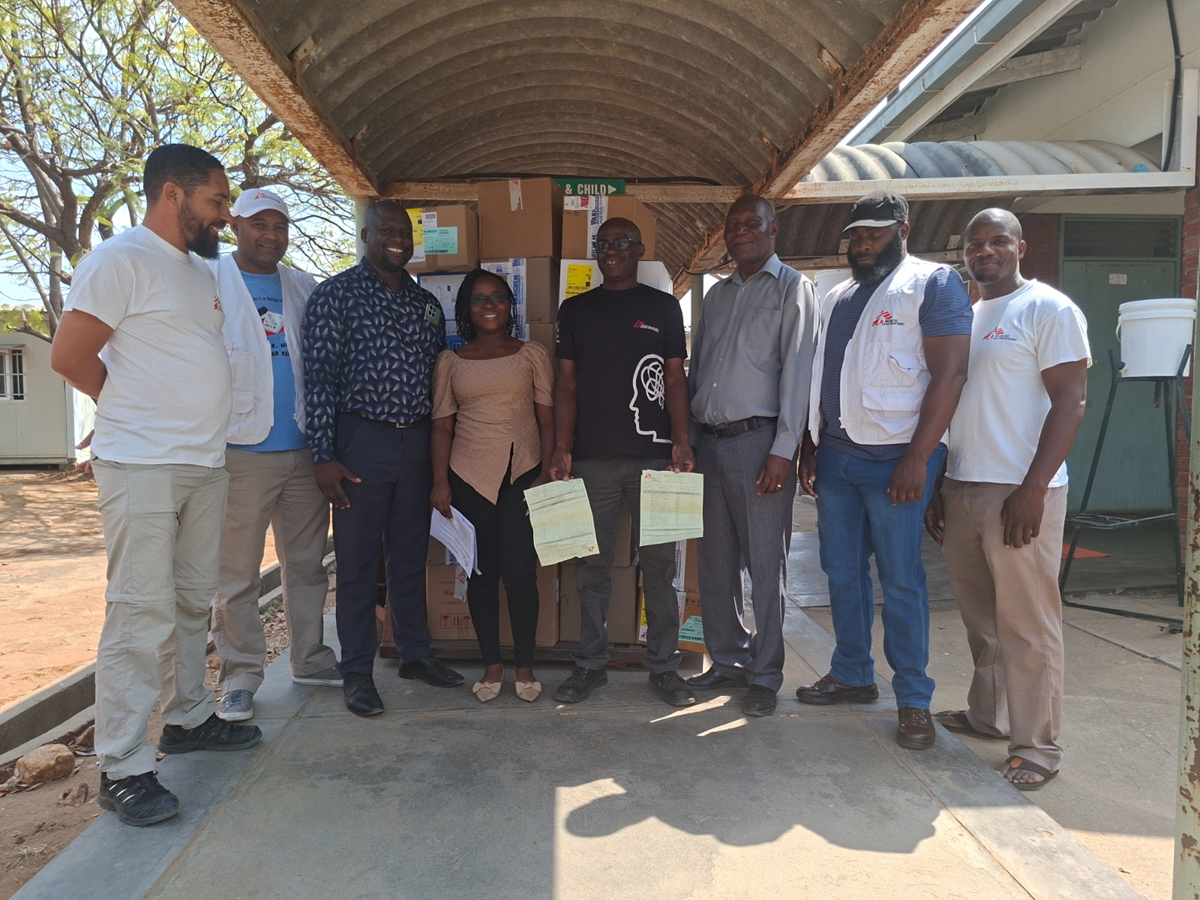
Following the devastating floods, the Zimbabwe Red Cross Society, through the International Federation of Red Cross and Red Crescent Societies’ Disaster Response Emergency Fund (DREF), scaled up humanitarian assistance to communities affected by flooding in Beitbridge and Chiredzi districts.
Changunda is among flood-affected residents who have benefited from food and dignity items, as well as shelter and water, sanitation and hygiene (WASH) non-food items.
The assistance forms part of a wider DREF-supported ZRCS emergency response targeting the most urgent needs of 10,000 people in selected flood-affected communities in Chiredzi, Beitbridge Rural and Beitbridge Urban.
The response covers several areas, including shelter, water, sanitation and hygiene, multipurpose cash assistance, health, protection, gender and inclusion, as well as community engagement and accountability.
ZRCS has already provided affected households with shelter and WASH non-food items. The response is now being scaled up to address food and other basic household needs in rural Chiredzi and Beitbridge, while selected households in Beitbridge Urban will receive assistance through mobile money transfers.
The impact of the January floods, however, did not end when the waters receded. Months later, many affected families are still working to rebuild their homes, restore their livelihoods and recover from the losses caused by the disaster.
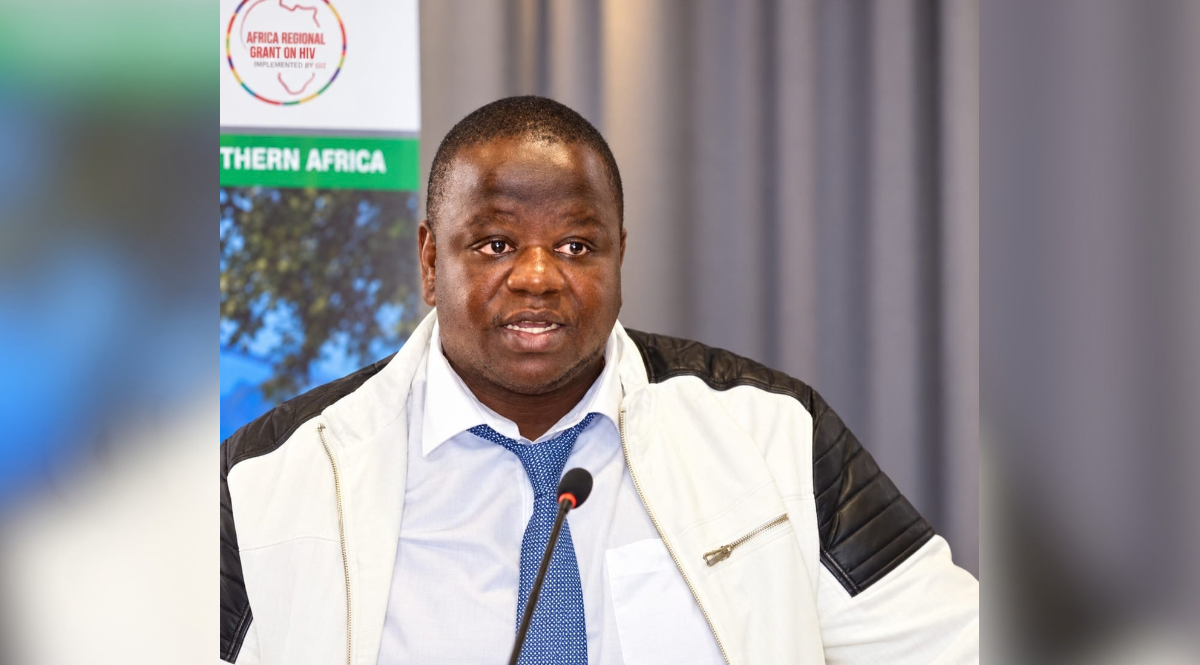
International Federation of Red Cross and Red Crescent Societies (IFRC) Information Management Officer Simbarashe Gobvu said the Disaster Response Emergency Fund is supporting the Zimbabwe Red Cross Society to continue reaching the most vulnerable households.
“The impact of the floods did not end when the waters receded. Many families in Chiredzi and Beitbridge are still working to rebuild their lives. Through the IFRC Disaster Response Emergency Fund, we are supporting the Zimbabwe Red Cross Society to reach the most vulnerable households with essential food and household items, helping families meet immediate needs and recover with dignity,” said Gobvu.
For the Red Cross, however, the response goes beyond meeting immediate needs.
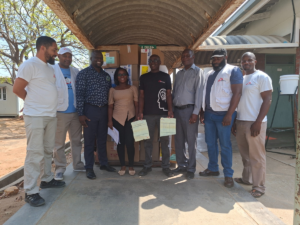
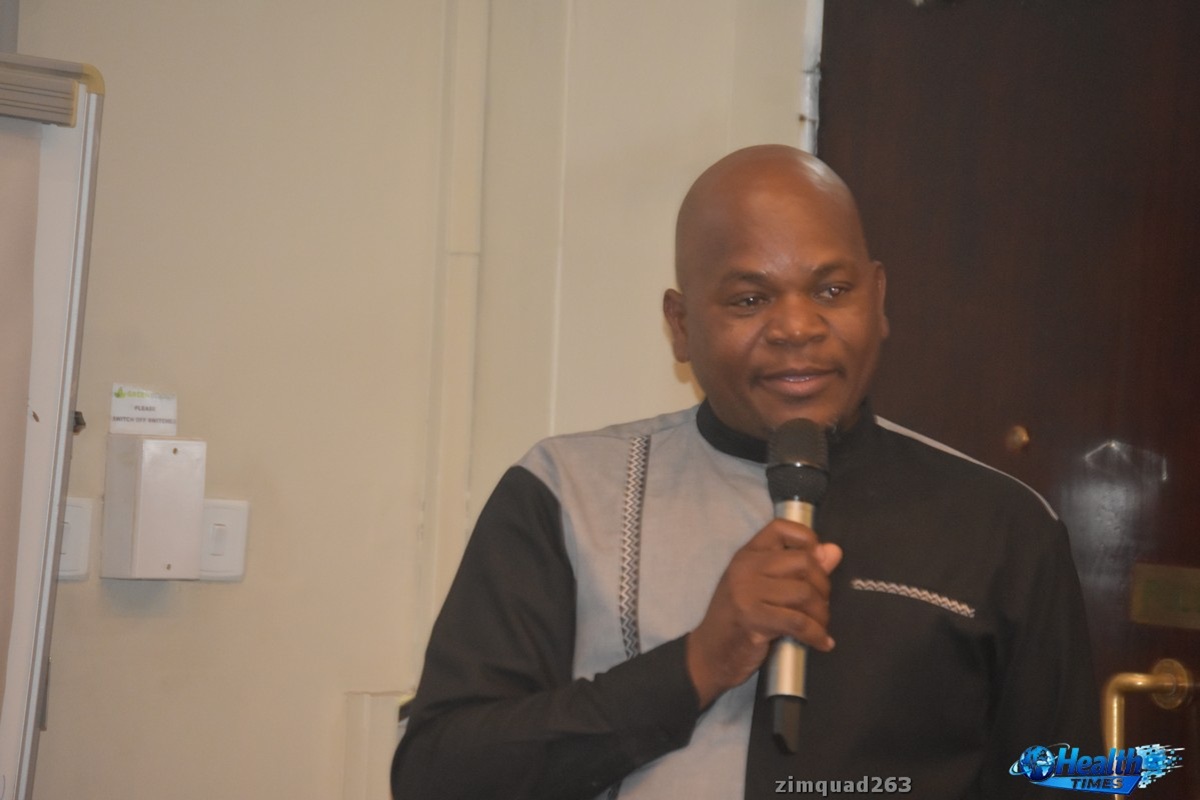
Zimbabwe Red Cross Society Secretary-General Mr Elias Hwenga says the intervention is aimed at helping families who lost their homes, livelihoods and household belongings regain their dignity and begin rebuilding their lives.
“For families who have lost their homes, food and household belongings to flooding, this assistance is about more than meeting immediate needs; it is about restoring dignity and giving communities the support they need to begin rebuilding their lives. We are grateful to our volunteers, partners and stakeholders for standing with affected communities as we continue to reach those most in need,” says Mr Hwenga.
As part of the next phase of the response, ZRCS will distribute food and basic household commodities, including cooking oil, sugar, salt, rice and soap, to affected families in Chiredzi and Beitbridge.
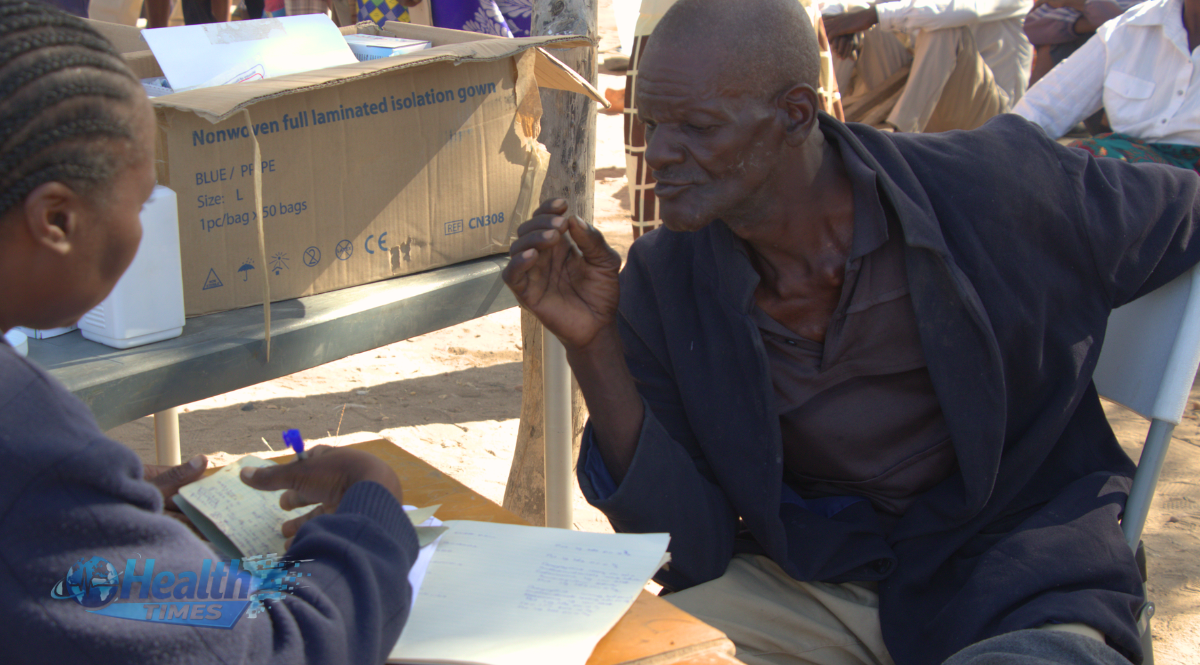
The distributions will be carried out by ZRCS staff, supported by trained volunteers and relevant local stakeholders, to ensure that assistance reaches the most vulnerable households in a safe, transparent and dignified manner.
When Climate Change Wears a Female Face
For Gogo Changunda, the January floods left behind more than the loss of a home and crops. They exposed the vulnerability facing many families in Beitbridge as extreme weather events become increasingly destructive.
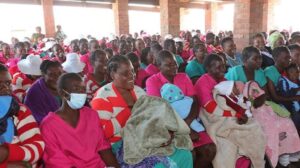
According to the Civil Protection Unit, an estimated 376 households were affected by the floods. In many of these communities, women bore much of the burden of the disaster.
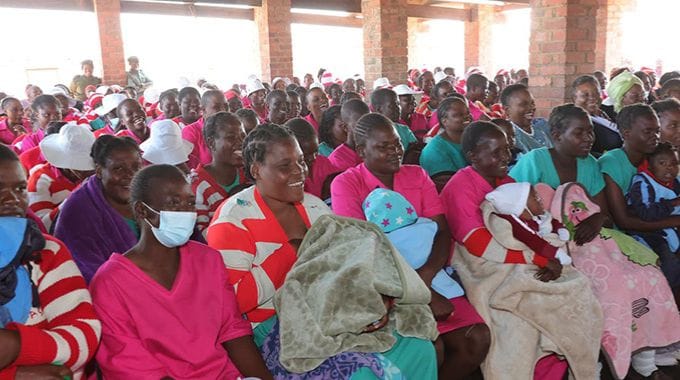
With many men working across the border in neighbouring South Africa, women are often left to manage households, care for children and tend to the fields. When disaster strikes, they are frequently the ones left to pick up the pieces.
But as communities begin to recover, the focus is also shifting from simply responding to disasters to finding ways of better preparing for the next one.
Jahson Mugodzwa from the Ministry of Local Government and Public Works’ District Development Coordinator’s Office in Beitbridge says the January floods highlighted the need for communities to strengthen their resilience to the growing threat of climate-related disasters.
“While we are responding to the immediate needs of affected families, we are also encouraging communities to think about the future and how they can build resilience,” he says.
“Climate change is now a reality that communities are living with. We are therefore encouraging people, where possible, to adopt more climate-adaptive structures that can better withstand these shocks.”
For Mugodzwa, the recovery process should not end when the food distributions are completed.
The district’s Civil Protection structures will continue monitoring affected communities to assess how families are recovering and identify areas where further support may be needed.
The challenge, he says, is to ensure that families do not simply rebuild what was lost, but emerge from the disaster better prepared for future climate shocks.
For women such as Gogo Changunda, that resilience begins with the immediate support now helping her family put food on the table.
As she and her family slowly push the wheelbarrow carrying food and other essential supplies towards home, the journey ahead remains long. Her house may have collapsed and her crops may have been destroyed, but the assistance has brought something equally important: the hope and support needed to begin again.