By Kuda Pembere in Goromonzi
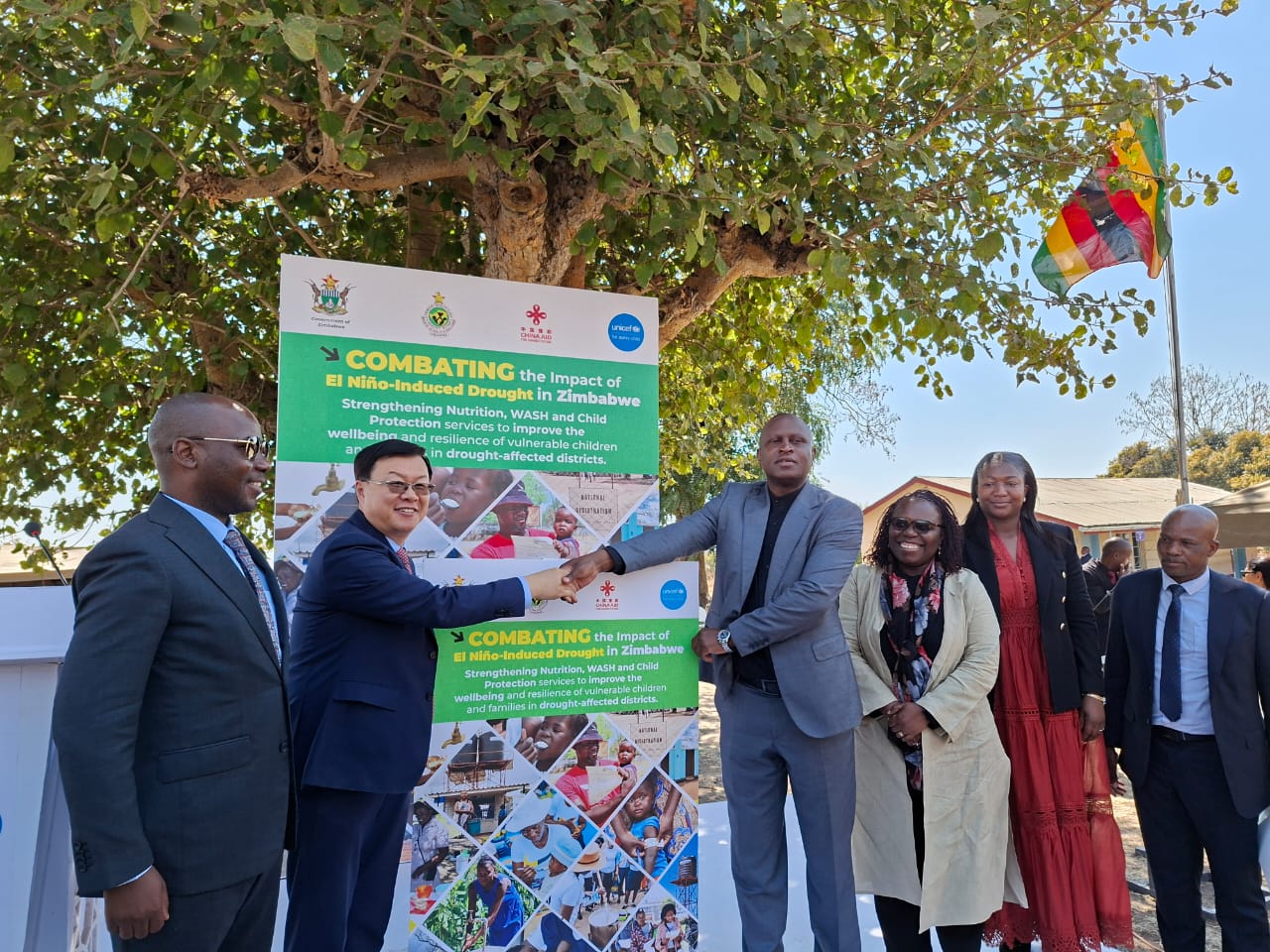
WITH Zimbabwe still recovering from the 2023/24 drought and bracing for renewed climate shocks, Government and UNICEF have launched a two-year, Chinese-funded programme targeting more than 212,000 people in drought-affected districts.
The initiative, financed through China’s Global Development and South-South Cooperation Fund, will be implemented in up to eight districts and will focus on nutrition, water, sanitation and hygiene (WASH), child protection and civil registration services.
It comes as Zimbabwe continues to grapple with the long-term effects of severe drought, which has worsened food insecurity, child malnutrition and access to basic services, while climate experts warn of increasing El Niño-related risks.
Health and Child Care Minister Dr Douglas Mombeshora, whose speech was read by Deputy Minister Sleiman Kwidini at the launch at Kowoyo Clinic in Goromonzi District, praised China’s continued support.
“This project is a testament to the enduring friendship between our two countries and our shared commitment to improving the lives of vulnerable communities,” he said.
He said climate change had become a major public health challenge requiring stronger, more resilient systems.
“Climate change is no longer just an environmental issue. It is now also a health issue,” he said.
Dr Mombeshora said Zimbabwe had experienced repeated climate disasters, including Cyclone Idai, which caused deaths, displacement and destruction of health infrastructure in Manicaland.
He added that prolonged droughts had left many households food insecure, contributing to child undernutrition, stunting and weakened immunity.
“When water sources dry up, communities face greater risks of diarrhoeal diseases and cholera, placing further strain on our health system,” he said.
He stressed that climate resilience and health system strengthening must go hand in hand.
“The health of our people depends on more than hospitals and medicine. It depends on safe water, nutrition, food security, sanitation and resilient communities,” he said.
Chinese Ambassador to Zimbabwe Zhou Ding said the programme reflected the strong ties between the two countries and China’s commitment to supporting drought recovery.
“Once fully implemented, this programme will deliver direct support to more than 200,000 people across eight drought-stricken districts,” he said.
He said the integrated approach would address both immediate needs and long-term resilience.
“Featuring nutrition, water, sanitation and hygiene, and child protection interventions, it will help build healthier, safer and more resilient communities,” he said.
The programme will also support the digitisation and solarisation of civil registry offices, strengthen birth registration systems and expand outreach services to ensure more children obtain legal identity documents.
UNICEF Zimbabwe Representative Etona Ekole said the initiative highlighted the importance of partnerships in protecting children from climate shocks.
She said drought should not be seen only as a food and water crisis, but as a broader threat to children’s health, education and protection.
“The timing of China’s contribution is particularly significant. It allows us to act between climate shocks, respond to remaining needs and rebuild essential services before conditions worsen again,” she said.
Ekole said the success of the programme would depend on strong collaboration between Government, UNICEF, communities and development partners.
“Real and lasting progress is possible when institutions work together, communities are involved in decisions, and investments are guided by evidence and early warning information,” she said.
Over the 24-month period, the programme is expected to directly benefit more than 212,000 people in eight of the hardest-hit districts.
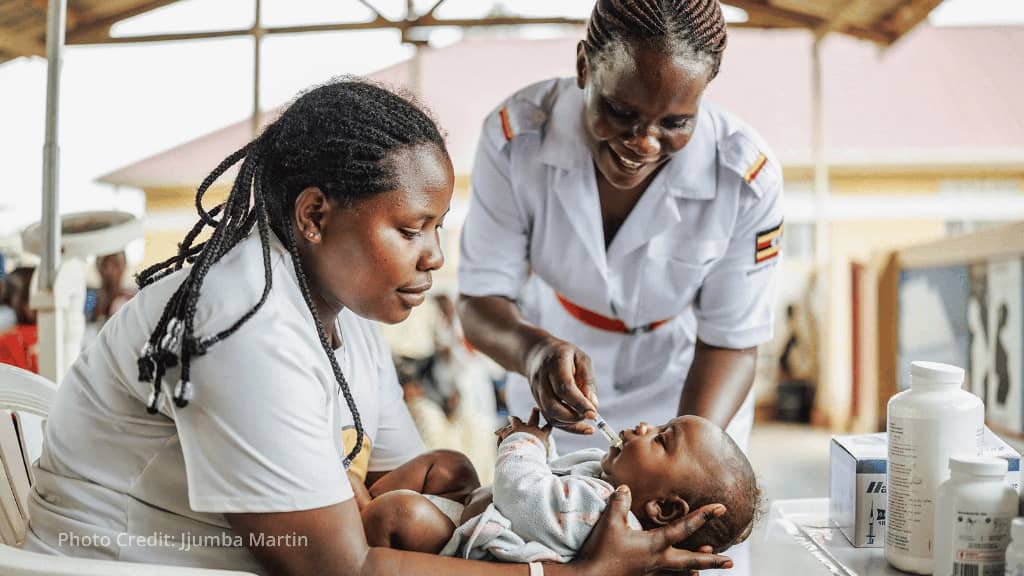
Beneficiaries will include children treated for malnutrition, mothers and caregivers receiving support, communities gaining access to safe water, and children benefiting from improved protection and civil registration services.
Ekole said the programme would also strengthen families’ ability to withstand and recover from future climate shocks.
“What matters now is timely delivery, accountability and measurable impact. We must ensure that the most vulnerable are reached with urgency and care,” she said.