By Kuda Pembere
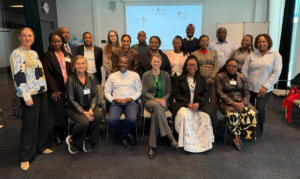
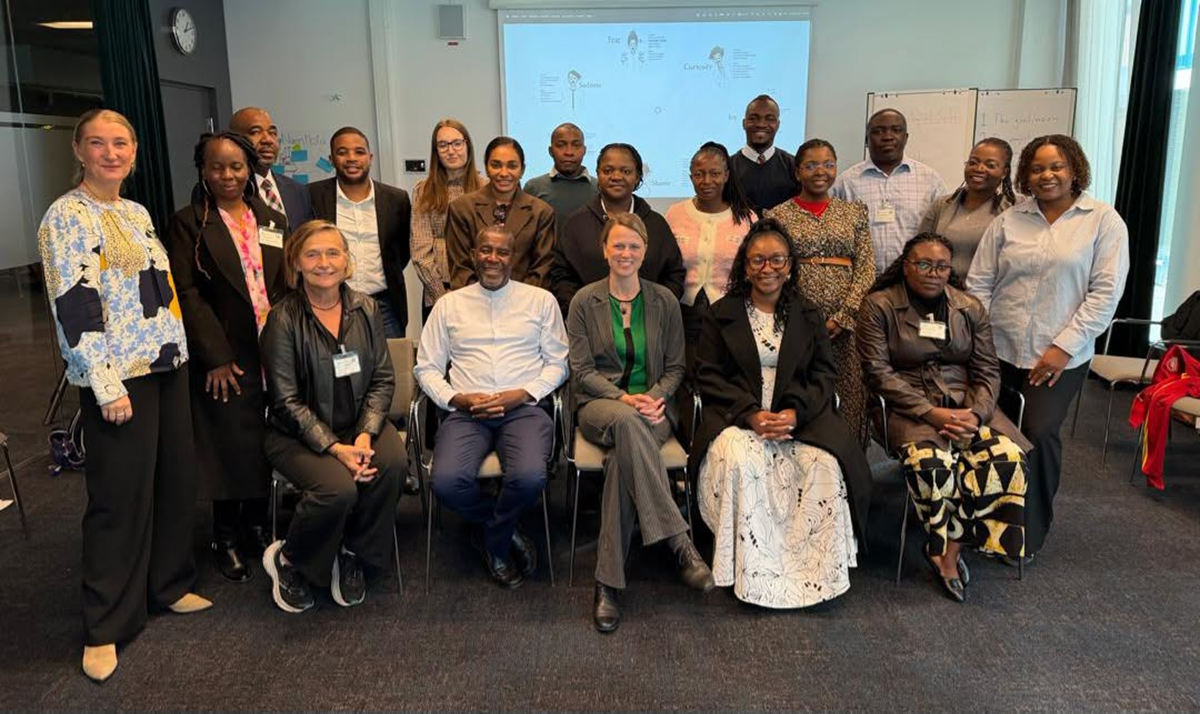
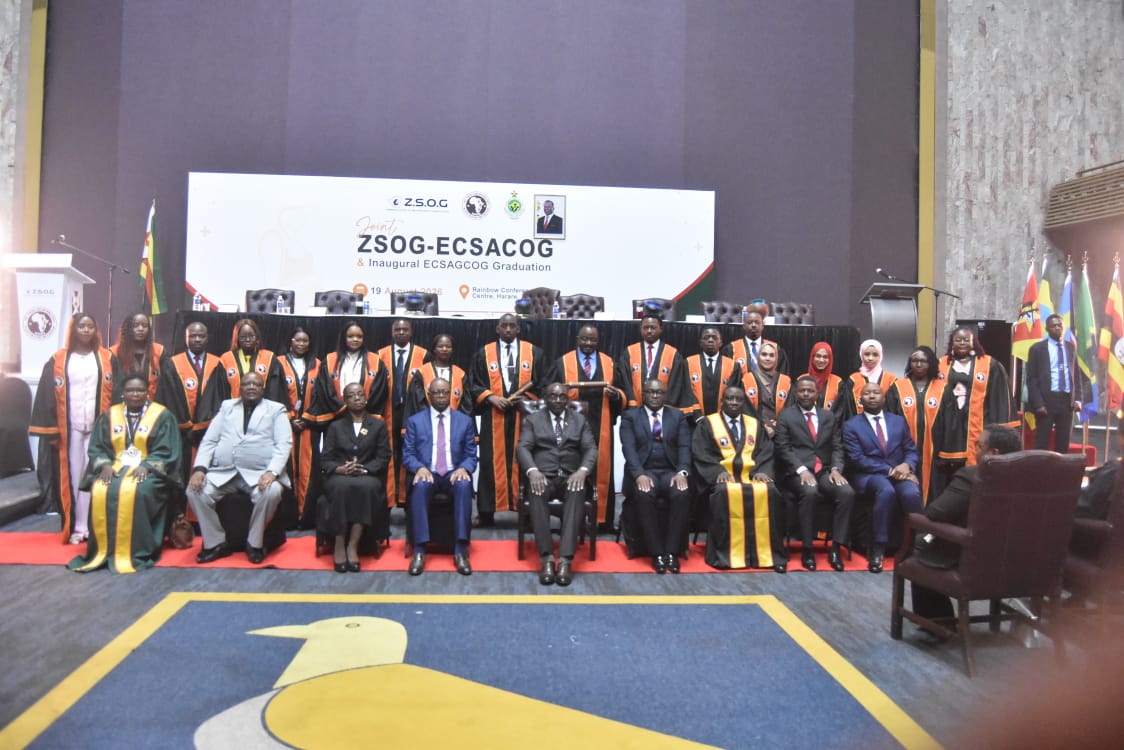
Nineteen specialists in obstetrics and gynaecology have graduated from the East, Central and Southern Africa College of Obstetrics and Gynaecology (ECSACOG), with 12 of them coming from Zimbabwe.
A further 27 fellows and members were inducted into the college, marking a significant milestone in the development of specialist capacity in the region.
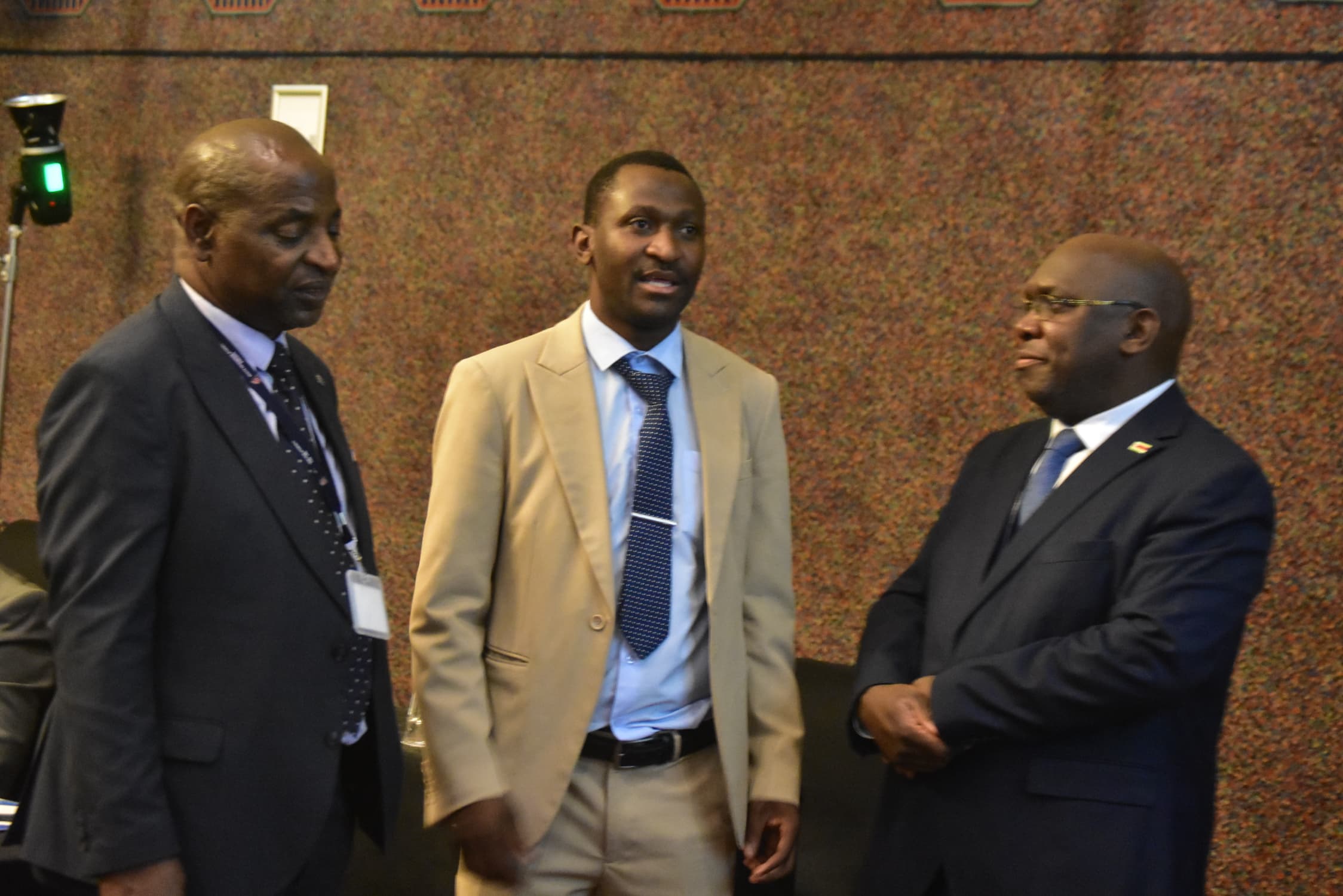
Officiating at the inaugural ECSACOG graduation ceremony, Vice President Kembo Mohadi, who was standing in for President Emmerson Mnangagwa, commended the college for developing specialists who will serve their respective countries.
“I commend the leadership, Council, Fellows, faculty and partners of ECSACOG for transforming a regional aspiration into an institution that is now producing specialists for our countries.
“This achievement speaks directly to the guiding philosophy of the Second Republic and the mantra of His Excellency, the President: ‘Nyika inovakwa nevene vayo’ — ‘Ilizwe lakhiwa ngabanikazi balo’ — ‘Our country is built by its own people’.
“The 12 Zimbabwean specialists among today’s 19 graduands are a practical demonstration of this philosophy. We are building our nation by investing in our people, developing our own expertise and strengthening our own institutions, while working with partners across the region and beyond,” he said.
Mohadi said ECSACOG demonstrated the value of African countries working together to develop specialist expertise within the continent.
“ECSACOG is a powerful example of this principle, African countries working together to build African expertise for African people,” he said.
He, however, urged countries in the region to remain vigilant despite the progress made in reducing maternal mortality.
“The health of our mothers and children remains one of the clearest measures of the strength and equity of our health systems. Zimbabwe has made encouraging progress. Our Maternal Mortality Ratio declined from 651 deaths per 100,000 live births in 2015 to 212 in 2024. We welcome this progress, but we must not become complacent.
“Indeed, Zimbabwe’s experience may also be indicative of a broader challenge confronting our region. Across East, Central and Southern Africa, too many women and newborns continue to die from causes that can be prevented through timely access to skilled and quality care.
“Every maternal death is a tragedy not only in Zimbabwe, but in our region and anywhere in Africa. Our collective task is, therefore, to accelerate progress and ensure that every woman, every mother and every newborn can access quality care, regardless of where they live,” he said.
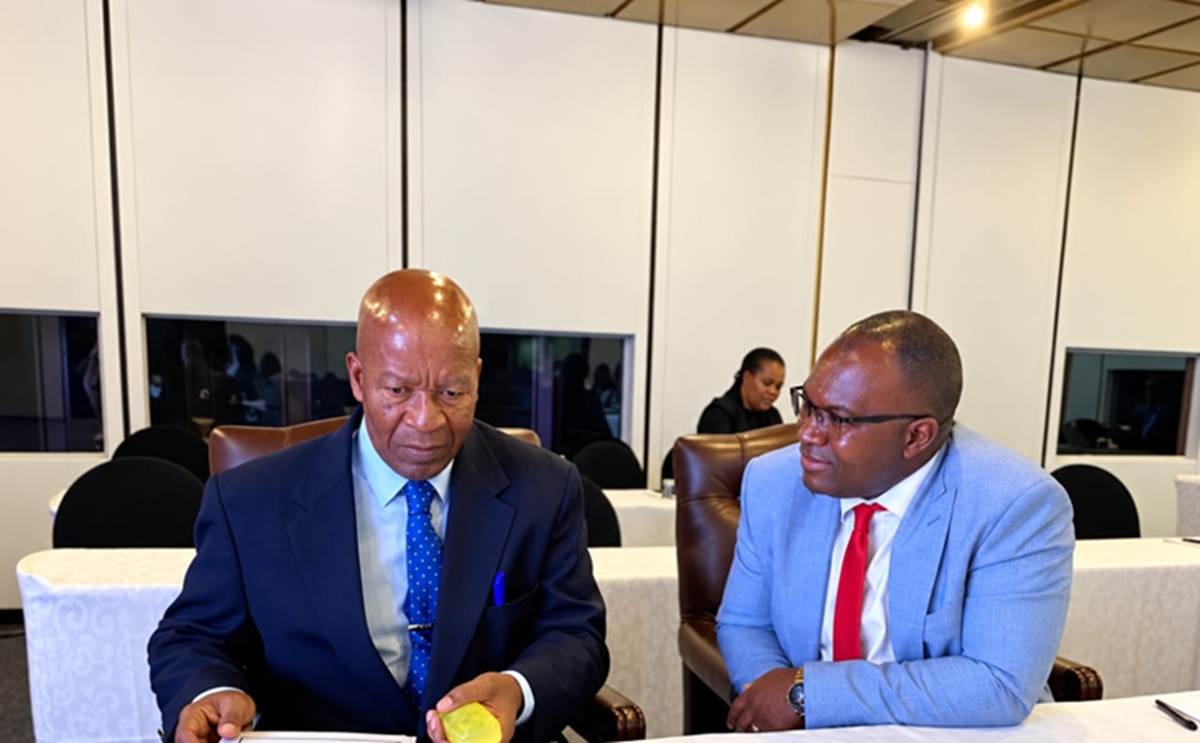
Health and Child Care Minister Dr Douglas Mombeshora said the emergence of regional colleges in East, Central and Southern Africa had added a new dimension to specialist training by strengthening African capacity within African health systems.
“Zimbabwe has a long tradition of specialist training through our Masters of Medicine, which we call M.Med. programmes, complemented over the years by fellowship opportunities and partnerships with institutions in South Africa and the United Kingdom.
“The emergence of ECSA regional colleges has added a new and important dimension, building African specialist capacity within African health systems,” Minister Mombeshora said.
Minister Mombeshora said the College of Surgeons of East, Central and Southern Africa (COSECSA) had been an important pioneer of the model, enabling Zimbabwe and other countries to train surgical specialists within their own institutions.
“We are now seeing this approach extended to obstetrics and gynaecology through ECSACOG. Importantly, our central hospitals and some provincial hospitals are now affiliated to and serve as training sites for the various ECSA colleges.
“They are therefore not only providing specialist services, they are increasingly becoming centres of specialist training.
“This is precisely the direction Zimbabwe needs to take. In October 2024, the Government signed the Health Workforce Investment Compact and is implementing the Health Workforce Strategy with the ambition of doubling our health workforce by 2030.
“Honourable Vice President, that ambition requires more than recruiting health workers.
“It requires us to expand our capacity to train and specialise our own professionals. The specialists graduating today are therefore a practical demonstration of that vision, turning investment in human resources for health into additional specialist capacity for Zimbabwe and the region,” he said.
Minister Mombeshora commended ECSACOG, the health community, universities, the Health Service Commission (HSC), affiliated hospitals and partners for contributing to the development of specialist training in the region.