By Staff Reporter
Cairo has become the stage for a groundbreaking initiative with the launch of the “Health Diplomacy for Medical Students” program, the first of its kind in Egypt and across the African continent. Spearheaded by the International Federation of Medical Students’ Associations – Egypt (IFMSA-Egypt) and its branch at MTI University, the program is supported by the Scientific Association of Medical Students at the Modern University for Technology and Information (MTI) and enjoys media sponsorship from the AfroMedia Initiative for Journalism and Media.
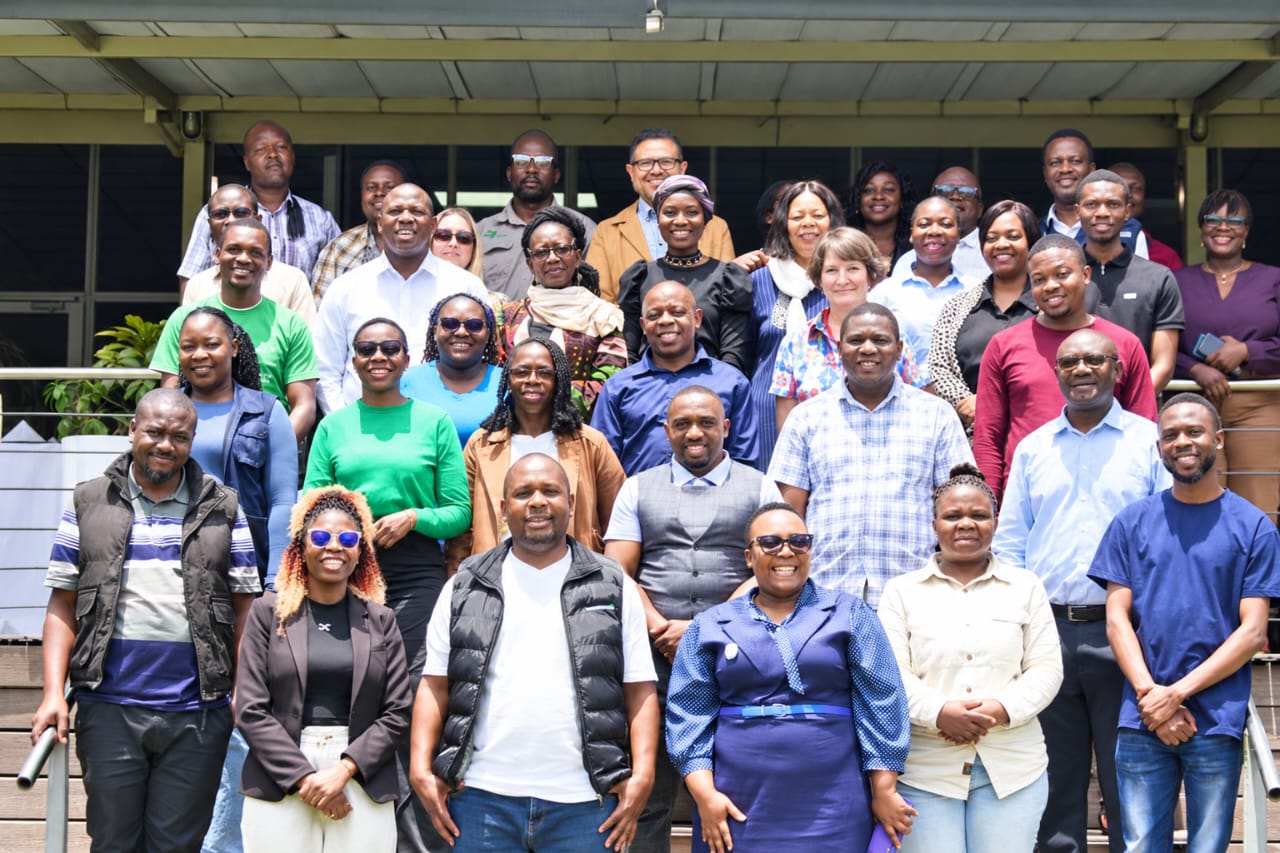
Held at the Faculty of Medicine at MTI University, the program brought together Egyptian and Sudanese students in a learning environment that blends academic theory with practical exposure. This initiative aims to empower medical students while promoting inclusivity, especially for non-Egyptian African students who have found refuge in Egypt amid regional conflicts such as the war in Sudan. Organizers emphasized the importance of creating fair and equal opportunities for all participants and equipping them with tools to engage in local and international health decision-making processes.
The program delves into the intersection of health, policy, and diplomacy, introducing future doctors to subjects that extend beyond clinical care. Participants explored the dynamics of global health systems, international relations, health policy, and public health advocacy. Sessions also focused on research skills essential for effective participation in health diplomacy, allowing students to understand and influence the formulation of health strategies that impact communities across Africa and beyond.
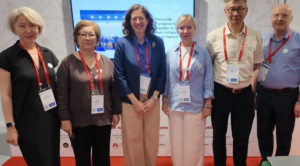
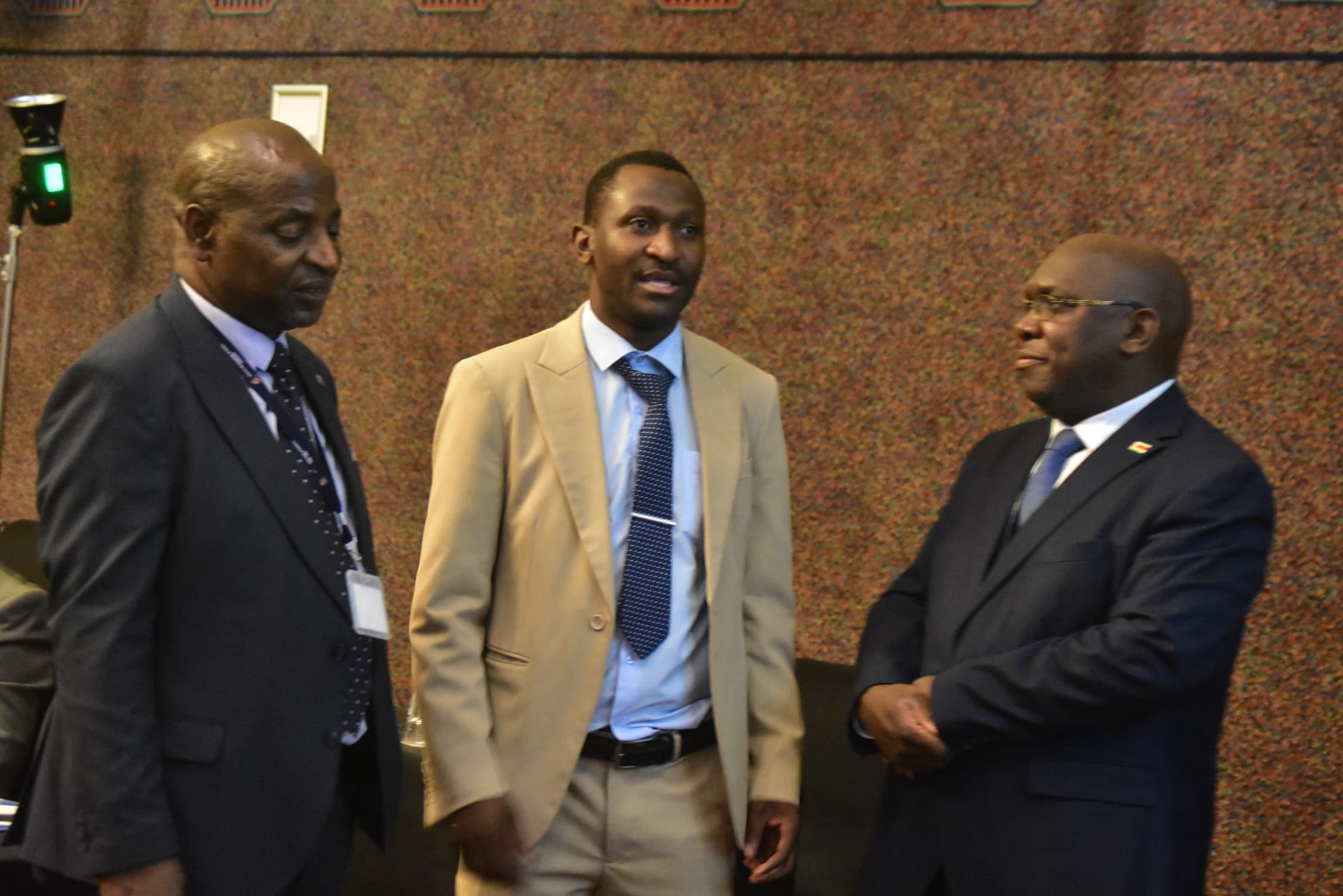
The launch event attracted an esteemed lineup of experts and speakers from multiple sectors. Among them were Mr. Mostafa Magdy, Assistant to the Minister of Youth and Sports; Dr. Samah Kamel, Head of the Youth and Children Group at the United Nations; Dr. Mahmoud El-Qally, a trainer in sustainable development; and Dr. Ahmed El-Rifai, a political science expert. Other notable speakers included Dr. Dalia Ghazlan, a public health awareness specialist; Mr. Hamada Qaoud, a sustainable development expert at the National Institute for Governance and Sustainable Development; Ahmed Aboudouma, Head of the Legal Committee at the Arab Youth Platform for Sustainable Development; and Dr. Rumaila Shahir, Business Development and Sustainable Development Consultant and Head of the German Academy in Cairo.
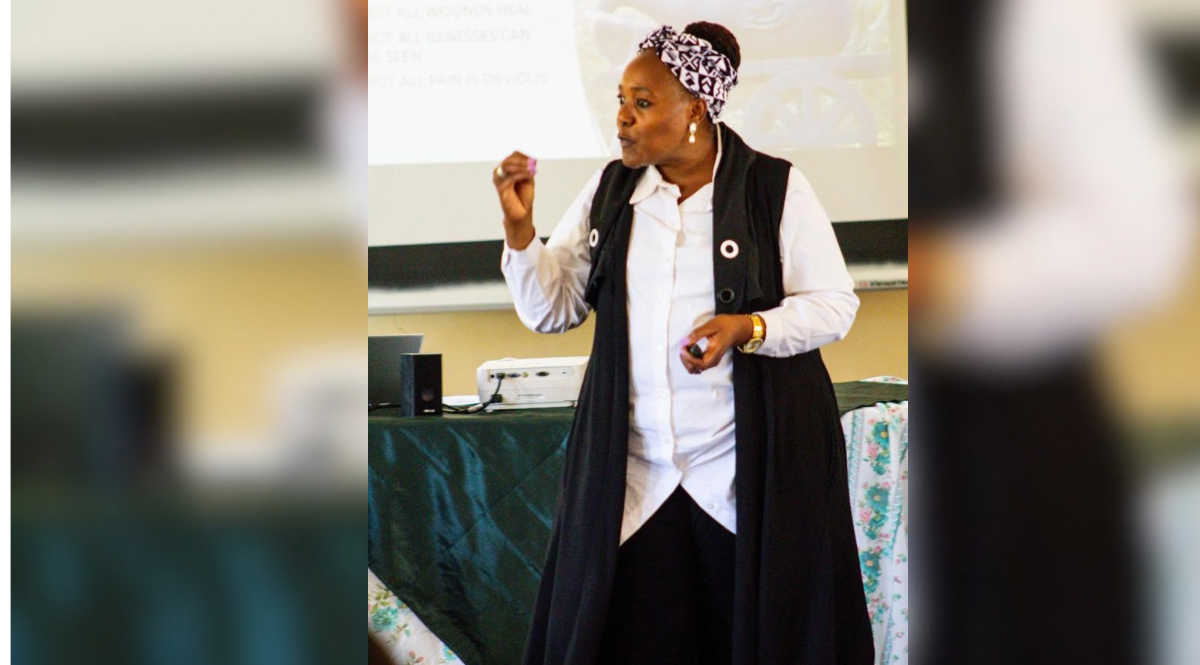
Anthropological researcher Hassan Ghazaly, founder of the Global Solidarity Network and a member of the African Journalists Union, delivered an address on the role of anthropology in healthcare. He emphasized that for doctors to design effective health development projects, they must first understand the cultural and social contexts of the communities they serve. Ghazaly also introduced participants to the concept of public diplomacy and discussed the Egyptian government’s support for African doctors, including volunteering opportunities through the African Union’s medical programs across the continent.
Ghazaly paid tribute to Professor Mohy El-Din Ragab El-Banna, Dean of the Faculty of Medicine and Surgery at MTI University, and Professor Hesham Mohamed Omran, Vice Dean for Student Affairs, acknowledging their dedication to supporting students and promoting the integration of African students into university life.
Throughout the program, students engaged in discussions on topics such as youth diplomacy, volunteer youth policies in Africa, international law and health, negotiation skills, personal branding for doctors, and the role of young professionals in shaping public health policy. These conversations underscored the increasing recognition of the doctor’s role not just as a caregiver, but as a key figure in health leadership, policy influence, and sustainable development.
The Health Diplomacy program signals a transformative approach in medical education by connecting it with broader societal responsibilities. It represents the first step in a series of initiatives aimed at preparing a new generation of doctors equipped not only with medical knowledge but also with the diplomatic and leadership skills required to navigate complex global health challenges.