By Michael Gwarisa
Health authorities in Harare have confirmed a sharp rise in cases of hand, foot and mouth disease (HFMD) since October 2025, emphasizing that the illness is not a zoonotic disease, meaning it cannot be transmitted from animals to humans.
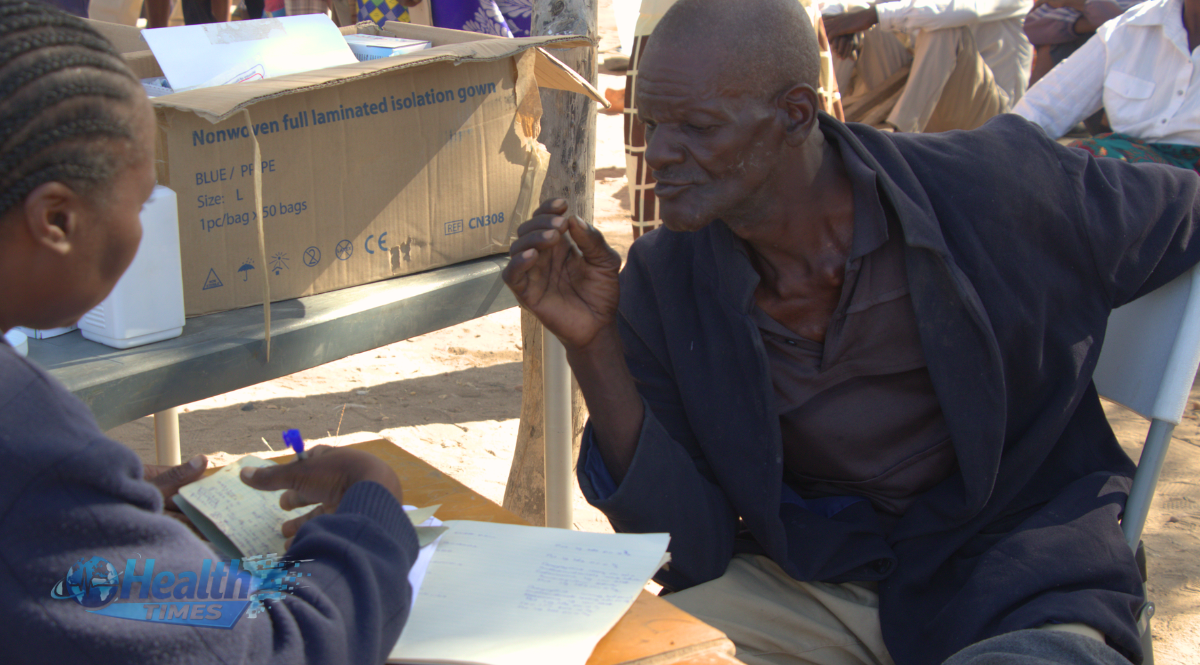
“The disease apparently is different from what we find in cattle, the foot and mouth disease in cattle. So this is a different kind of infection that we see in humans only,” said Dr. Michael Vere, Deputy Director of the City Health Department, Harare, speaking to HealthTimes in an interview.
This clarifies that HFMD in people is distinct from the livestock disease that affects cattle.
Since the beginning of the outbreak, more than 1,500 cases have been recorded across several high-density communities, including Mabvuku, Tafara, Waterfalls, Mbare, Mufakose, and Kuwadzana. Authorities warn that the disease spreads quickly among children under five years of age.
“Most of the cases, more than 90 percent, are children under five. Many are attending early childhood development (ECD) schools, which makes it crucial to isolate any child showing symptoms to prevent the spread,” Dr. Vere said.
HFMD is highly contagious and good hygiene practices are key to preventing infection. “Washing your hands before eating is very important. Anyone who touches a surface while having HFMD lesions can easily transmit the infection to the next person who touches that surface, similar to what we saw with COVID-19,” he added.
Despite the rapid spread, no deaths have been recorded. Authorities urge parents not to panic but to remain vigilant. “We do not want to create undue alarm because the disease is relatively mild, though the figures are high,” Dr. Vere said.
The disease causes mild blisters on the mouth, hands, and feet. While secondary bacterial infections can occur, they are treatable. “All our clinics are ready to receive cases with any complications. We encourage parents to bring children for treatment and to notify authorities of new cases,” Dr. Vere emphasized.
The City Health Department is also conducting community health education campaigns to raise awareness of preventive measures. Residents are being advised to monitor children closely, practice hand hygiene, and ensure symptomatic children stay home until fully recovered.
Health authorities continue to monitor the situation, emphasizing that HFMD is highly contagious but strictly a human disease, not linked to livestock or other animals. “It is important for the public to understand that this is a human-only infection. Awareness and simple hygiene measures can help curb its spread effectively,” Dr. Vere said.