By Kuda Pembere
The Ministry of Health and Child Care and the International Federation of Red Cross and Red Crescent Societies (IFRC) on Monday identified immunisation, community health and the reintegration of returning Zimbabweans from South Africa as key areas for expanded cooperation.
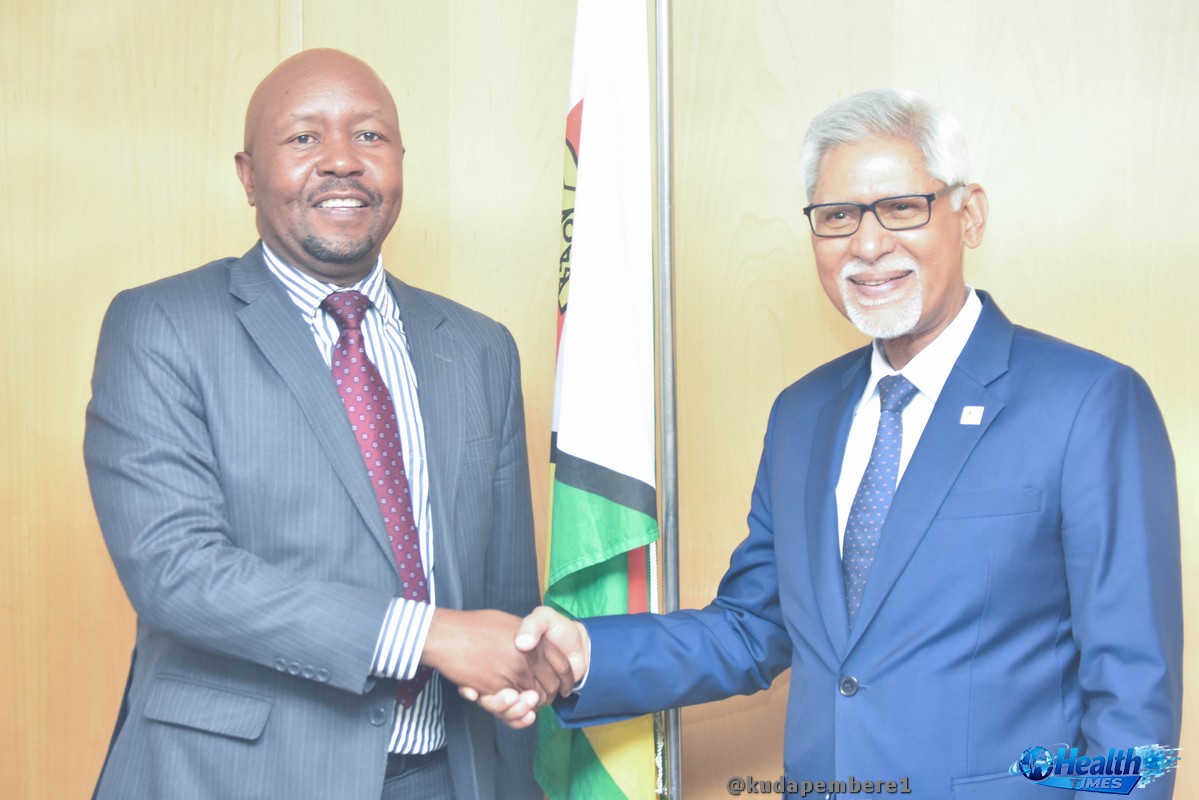
The discussions took place during a courtesy visit by IFRC Secretary General Jagan Chapagain to the Ministry of Health and Child Care as part of his official visit to Zimbabwe. His itinerary has included meetings with President Emmerson Mnangagwa, the Ministry of Local Government and the Zimbabwe Red Cross Society (ZRCS).
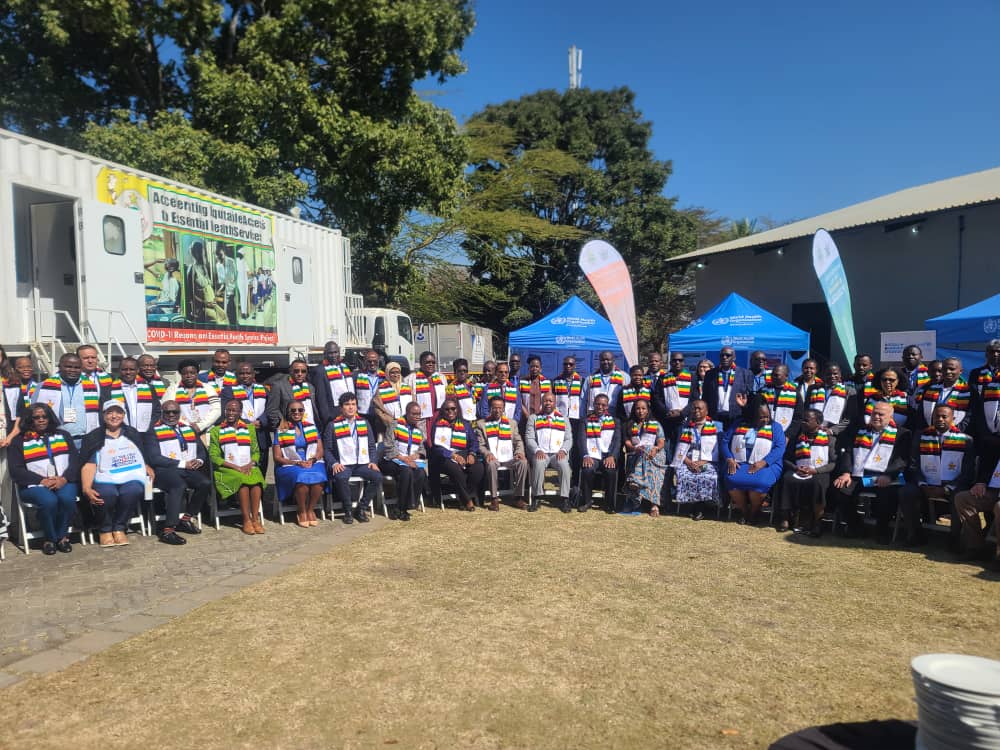
The meeting brought together senior officials from the Ministry of Health and Child Care, the IFRC and the Zimbabwe Red Cross Society.
Health and Child Care Ministry Permanent Secretary Dr Aspect Maunganidze commended the IFRC and ZRCS for their longstanding support in humanitarian assistance, community health, disease prevention and emergency preparedness.
“The Ministry and the Government appreciate the long-standing support of the IFRC and the Zimbabwe Red Cross Society, particularly in community health, humanitarian assistance, emergency preparedness and response, health promotion and disease prevention. This work has consistently complemented Government efforts in supporting vulnerable communities,” he said.
Dr Maunganidze said Zimbabwe was keen to strengthen collaboration under Gavi 6.0, particularly in increasing demand for immunisation services and reaching underserved communities.
“We welcome discussions on the role of the Zimbabwe Red Cross Society and the IFRC within the Gavi 6.0 request for proposals. The society’s extensive community reach places it in a strong position to support immunisation demand generation, address vaccine hesitancy and improve access for underserved and hard-to-reach populations.
“Beyond project delivery, the Zimbabwe Red Cross Society can also serve as a strategic partner in strengthening immunisation systems,” he said.
Dr Maunganidze said the Government was implementing a whole-of-government approach to support Zimbabweans returning from South Africa, including ensuring continuity of care for people living with chronic illnesses.
“We are working across Government to ensure that returning Zimbabweans are successfully reintegrated. Many are health workers, while others were receiving treatment for chronic conditions in South Africa.
“Our priority is to ensure seamless continuation of treatment while addressing the broader health challenges associated with displacement, including the impact of prolonged uncertainty and poor nutrition, particularly among children,” he said.
Mr Chapagain said the IFRC had increased emergency funding to support Zimbabwe’s response to returning migrants.
“We released an initial emergency allocation and have now increased those funds to support Zimbabweans returning from South Africa. If returnees are not properly received and supported, the burden on the country’s health system becomes significant.
“Our experience shows that managing the return process from the beginning helps reduce pressure on the health infrastructure, and we will continue working with the Government and other partners to strengthen this response,” he said.
Mr Chapagain said the Red Cross was also ready to expand its support for Zimbabwe’s immunisation programme, particularly in reaching zero-dose children and tackling vaccine hesitancy.