By Kuda Pembere
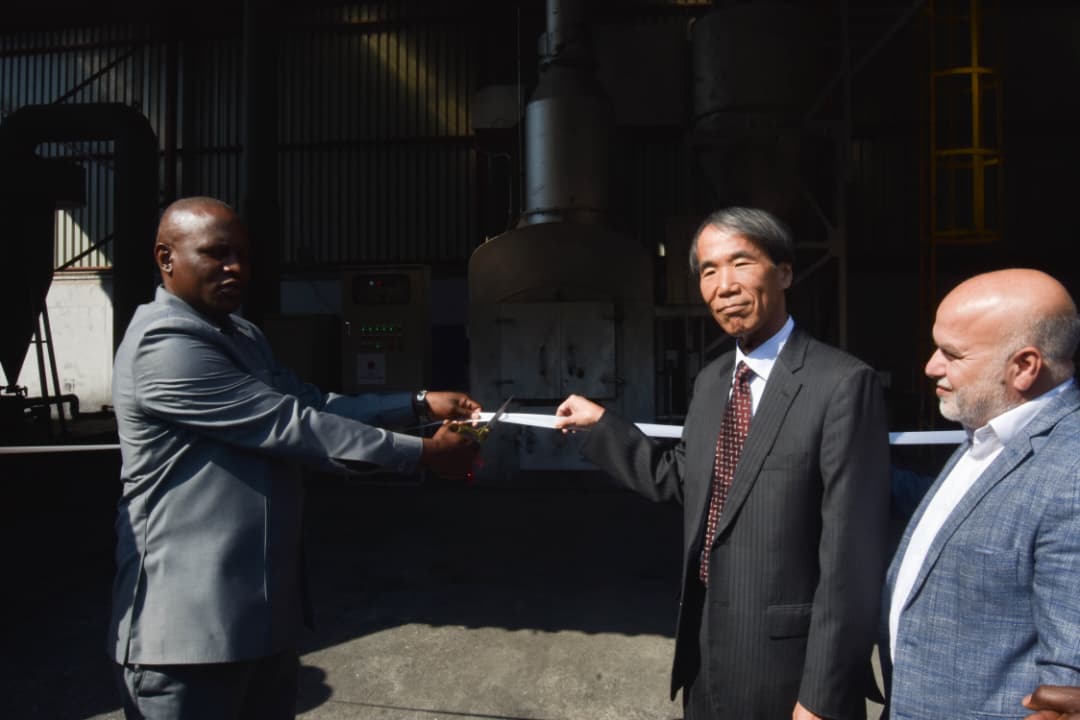
Zimbabwe has commissioned a new medical waste incinerator at Parirenyatwa Group of Hospitals capable of processing up to 187 kilogrammes of medical waste per hour, as the country moves to strengthen healthcare waste management and infection prevention.
The incinerator is one of three constructed under a US$2.2 million project funded by the Government of Japan through the Tokyo International Conference on African Development (TICAD), with the United Nations Office for Project Services (UNOPS) implementing the project.
The other two incinerators were constructed at United Bulawayo Hospitals (UBH) and Masvingo Provincial Hospital.
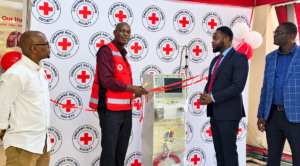
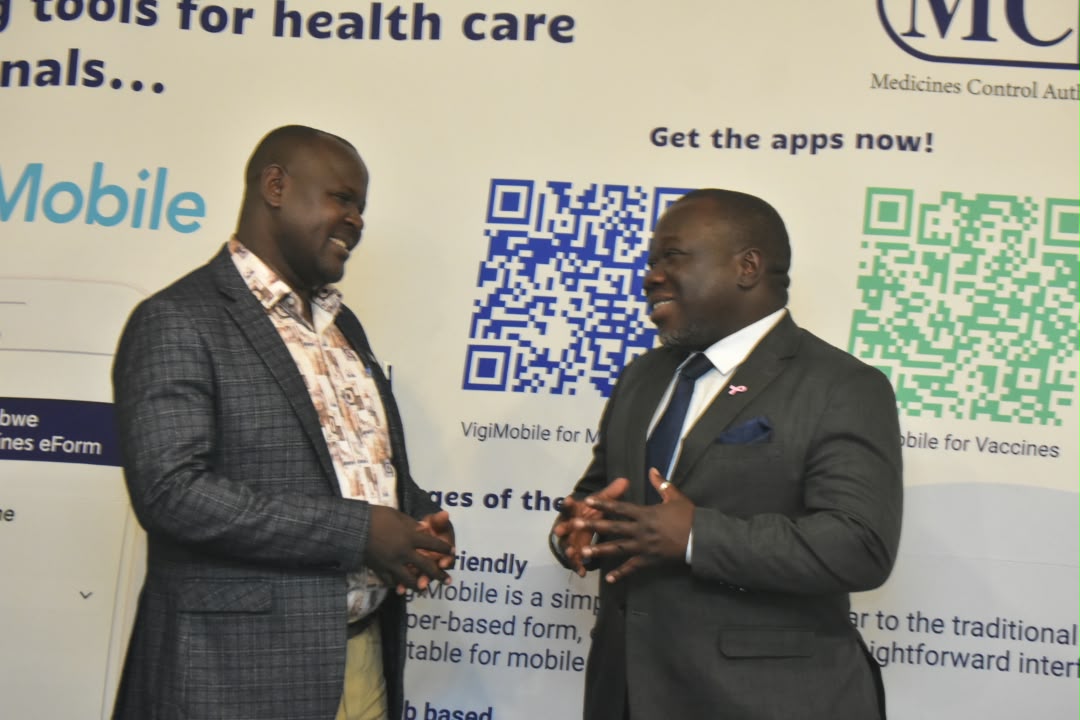
Officiating at the commissioning ceremony at Parirenyatwa Hospital on Wednesday, Deputy Minister of Health and Child Care Sleiman Kwidini said the new facility marked an important step towards modernising Zimbabwe’s healthcare waste management system.
“This facility is not simply infrastructure; it is a symbol of progress, cooperation and our shared commitment to protecting public health and the environment.
“Medical waste management remains a critical issue within our health sector. For many years, Zimbabwe, like many developing countries, has faced challenges related to inadequate waste management systems, outdated technologies and limited infrastructure. These gaps have posed risks to healthcare workers, patients, communities and the environment,” he said.
Kwidini said the COVID-19 pandemic had further exposed weaknesses in healthcare waste management after the volume of hazardous waste generated by health facilities increased significantly.
“The COVID-19 pandemic further intensified this challenge, resulting in a significant increase in hazardous healthcare waste that required safe and efficient disposal,” he said.
He said unsafe disposal practices, including open burning and inefficient incineration, could contribute to environmental pollution and public health risks.
“It is therefore imperative that we invest in modern, safe and sustainable solutions to address these challenges,” Kwidini said.
The Parirenyatwa incinerator has a processing capacity of between 150 and 187 kilogrammes of medical waste per hour and can operate continuously for up to 18 hours a day.
According to Kwidini, the facility uses smokeless, anti-pollution technology and automated temperature and fire-control systems to improve safety and operational efficiency.
The system is also designed to use minimal fuel while processing large volumes of waste. It has a compact footprint for integration into existing hospital infrastructure and can generate useful by-products such as hot water.
“The commissioning of this incinerator represents a concrete response to these challenges. This facility is part of a broader national programme led by the Ministry of Health and Child Care, aimed at modernising healthcare waste management systems across Zimbabwe,” Kwidini said.
He said the project would strengthen institutional capacity in healthcare waste management, promote environmentally responsible technologies and support infection prevention and control systems in health facilities.
The Ambassador of Japan to Zimbabwe, Maekawa Nobutaka, said the project demonstrated Japan’s commitment to supporting Zimbabwe’s efforts to achieve universal health coverage.
He thanked UNOPS and the Ministry of Health and Child Care for their collaboration in implementing the project.
“Healthcare workers across Zimbabwe continue to operate under demanding conditions, providing essential services with remarkable dedication and professionalism. However, many referral hospitals have faced ongoing challenges in the safe and efficient management of medical waste,” Nobutaka said.
He said inadequate disposal capacity, ageing equipment and the handling of infectious and hazardous materials had increased risks of infection and environmental contamination while placing additional pressure on healthcare workers.
Nobutaka said the new incinerators would improve the safe disposal of medical waste, reduce exposure to hazardous materials and strengthen infection prevention and control.
The project uses technology from Japanese company CHUWA STAR, which specialises in medical waste incineration.
“By introducing advanced, environmentally sound technologies from Japan, specifically leveraging the latest innovations from CHUWA STAR, the Japanese Incinerator Company, this project contributes to building a more sustainable, efficient, and resilient healthcare waste management system across Zimbabwe,” he said.
The commissioning brings to completion the three-incinerator project at Parirenyatwa Group of Hospitals, United Bulawayo Hospitals and Masvingo Provincial Hospital.