

By Kuda Pembere
AS Zimbabwe begins implementing its Second National Health Strategy (NHS) 2026-2030, Government has called for a shift from planning to execution, saying the country’s success will be measured by tangible improvements in healthcare services and the quality of life of its citizens.
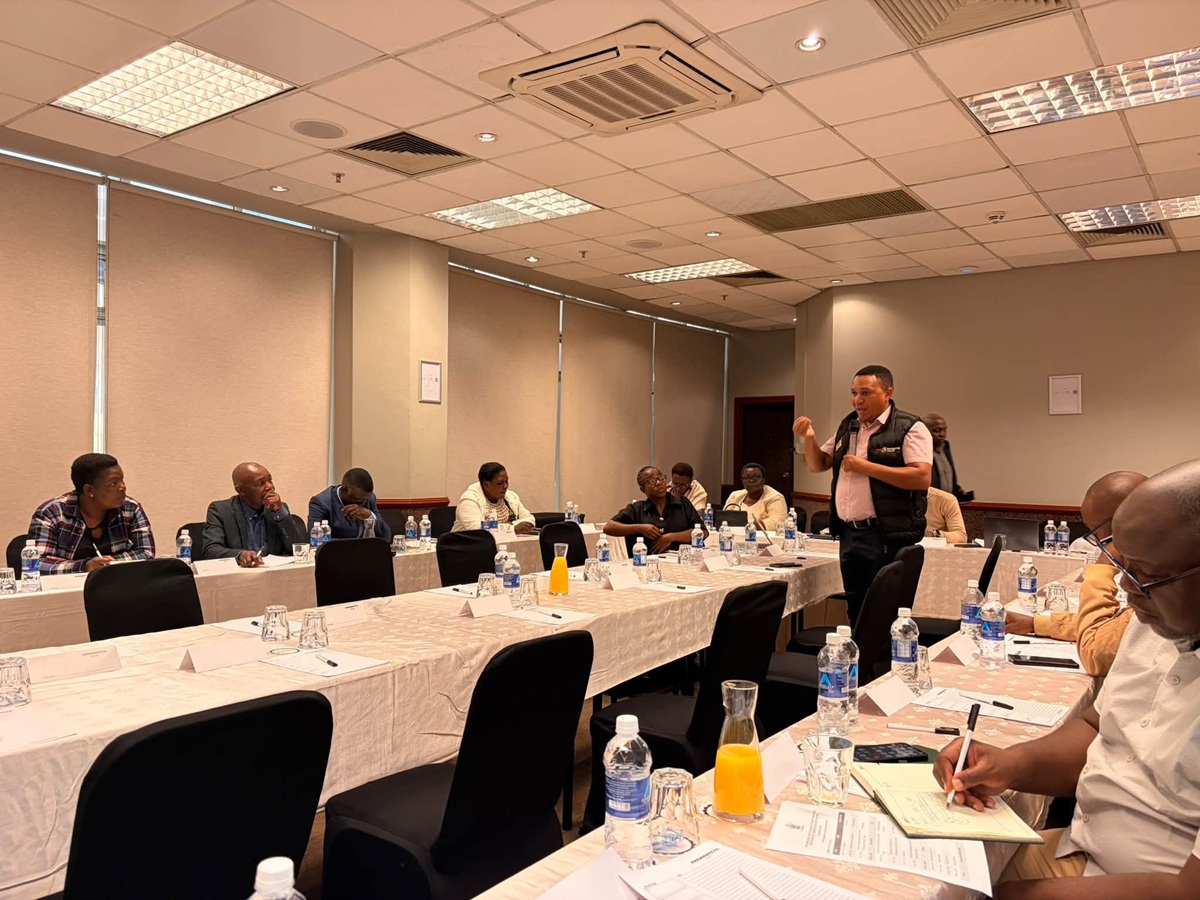
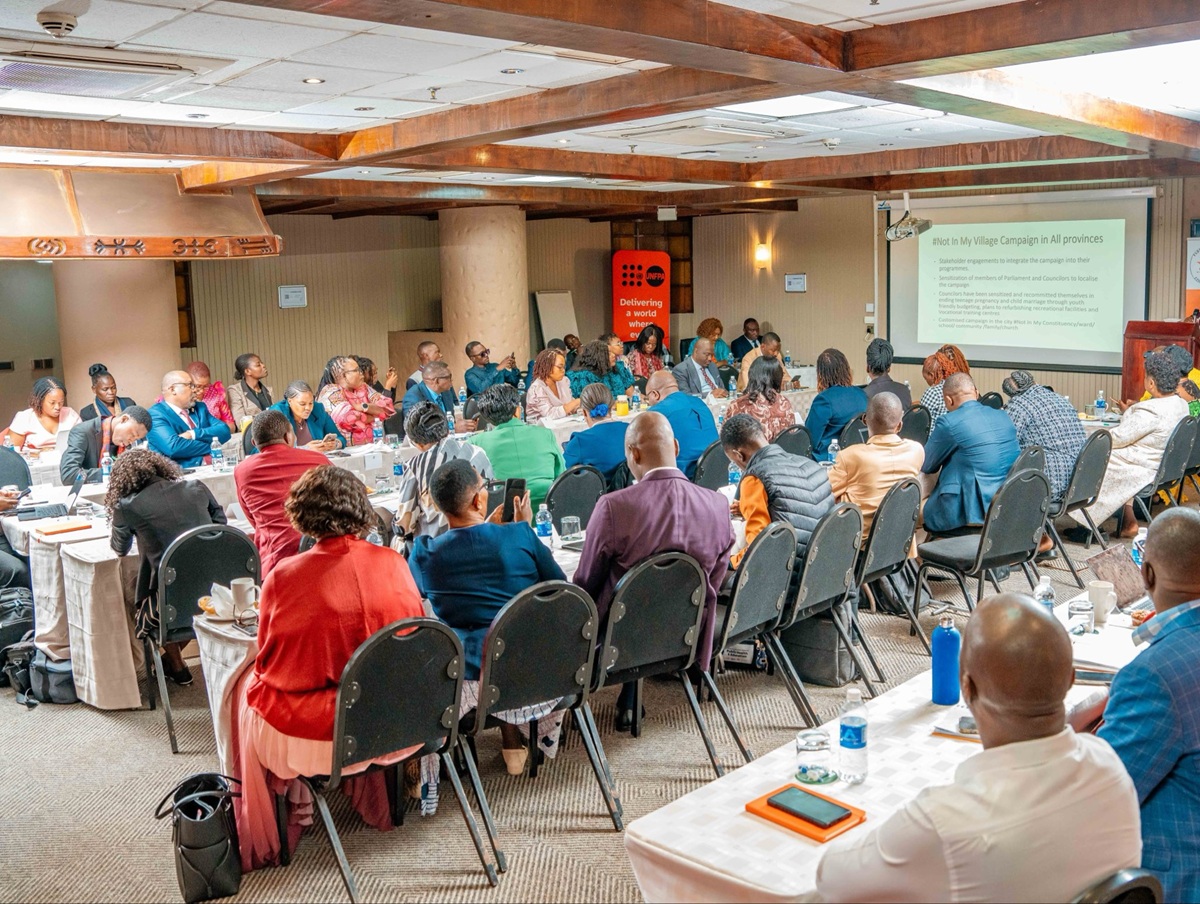
Health and Child Care Minister Dr Douglas Mombeshora made the remarks while officiating at the Health Sector Development Partners Coordination Meeting in Harare on Thursday, describing the newly launched strategy as a roadmap towards a resilient, sustainable and people-centred health system anchored on universal health coverage.
The five-year strategy aligns with President Emmerson Mnangagwa’s Vision 2030 and the National Development Strategy II and seeks to strengthen healthcare delivery across the country.
“We meet here today as we start the implementation of the National Health Strategy 2026-2030. The strategy provides a clear national framework for advancing universal health coverage and building a resilient, sustainable and people-centred health system,” Dr Mombeshora said.
“It is aligned with His Excellency the President’s Vision 2030 and the National Development Strategy II, and it challenges us to translate national aspirations into measurable improvements in the health and quality of life of every Zimbabwean.”
The minister stressed that Zimbabwe had reached a point where developing more policies was no longer the priority.
“The task before us is no longer to develop more plans, but to implement the commitments we have made. We have developed strategies, policies, frameworks and action plans, and I believe we now have enough documents to keep us fully occupied. The real test, however, is the quality of services experienced by our people in health facilities across the country,” he said.
He said implementation would require strengthening primary healthcare, investing in the health workforce, improving access to medicines and medical technologies, and establishing sustainable financing mechanisms that shield households from catastrophic health expenditure.
Dr Mombeshora said Zimbabwe had recorded notable progress in key health programmes over the years, including the HIV response, tuberculosis control, maternal and child health, immunisation and health infrastructure development.
“These achievements demonstrate what can be accomplished through strong government leadership and effective partnerships. However, progress must not make us complacent. We must confront the persistent challenges affecting service delivery and act decisively to address them,” he said.
Among the major obstacles, the minister cited delays in Treasury disbursements, which continue to affect the procurement of medicines and implementation of capital projects.
He said discussions held during a technical meeting on July 24 had highlighted the need to improve the timely release of resources, strengthen domestic health financing, enhance the performance of health services funds, address critical human resources shortages, improve the availability and distribution of medicines, and strengthen procurement systems, supply chains and health information systems.
“These priorities require coordinated action across government and the health sector,” he said.
“They also require clear accountability. We must move beyond identified challenges and ensure that agreed actions are implemented within defined timeframes, and that progress is regularly reviewed. We should not allow an action point to become a permanent resident on our agenda, appearing faithfully at every meeting while making very little progress between meetings.”
United Nations Resident Coordinator in Zimbabwe Dr Rosemary Kalapurakal echoed the call for greater efficiency, urging Government and development partners to avoid fragmented approaches that duplicate resources.
“In an era of increasingly constrained resources, we cannot afford to waste a single dollar by being fragmented, by duplicating assets, by seeing only our little part of the ocean,” she said.
“We have to strengthen our alignment behind the National Health Strategy and ensure that our collective investments become tangible improvements in people’s lives.”
Dr Kalapurakal said the meeting had demonstrated strong political commitment and that the focus should now shift towards implementation and accountability.
“It is time for action,” she said.
She identified strengthening primary healthcare and securing sustainable financing as among the most urgent priorities for Zimbabwe’s health sector.
“Primary healthcare must remain the foundation of health. It is the most effective and equitable pathway to universal health coverage. It is how we ensure that services reach people where they live, particularly women, children, young people, people with disabilities, those in remote communities and populations affected by poverty and climate change,” she said.
Dr Kalapurakal noted that declining global health assistance had exposed the vulnerability of many health systems, making domestic resource mobilisation increasingly important.
“The changing global financing landscape has exposed the fragility of health financing, but it also presents an opportunity to build a more resilient, sustainable and equity-driven system,” she said.
She said the United Nations stood ready to support Zimbabwe by facilitating learning from countries that had successfully strengthened health systems through medical insurance, digital health, public-private partnerships and innovative financing models.
“In this regard, the UN stands ready to facilitate learning from other countries that have made progress in areas such as health insurance, public-private partnerships, digital health and innovative financing, should the Government consider this useful,” she said.
Dr Kalapurakal also called for continued investment in women, girls and young people, saying Zimbabwe’s future economic prosperity would depend on improving their health, education and protection.
She added that building climate-resilient health systems should remain a priority as the country prepares for future public health emergencies and climate-related shocks.
Representing health development partners, Dr Jo Abbott said collaboration between Government and international partners over the past two decades had produced significant gains in Zimbabwe’s health sector despite constrained resources.
She said external financing from bilateral and multilateral partners had complemented domestic investment, contributing to improvements in maternal and child health, progress towards the UNAIDS 95-95-95 HIV targets and strengthening the country’s health workforce.