
By Alice Mudzingwa
WINDHOEK, Namibia – Delegates at the Sixth Southern African Regional Students and Youth Conference (SARSYC VI) have called for stronger regional collaboration, evidence-based policymaking and greater investment in youth-led solutions to address emerging health and education challenges facing young people across Southern Africa.
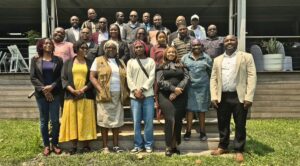
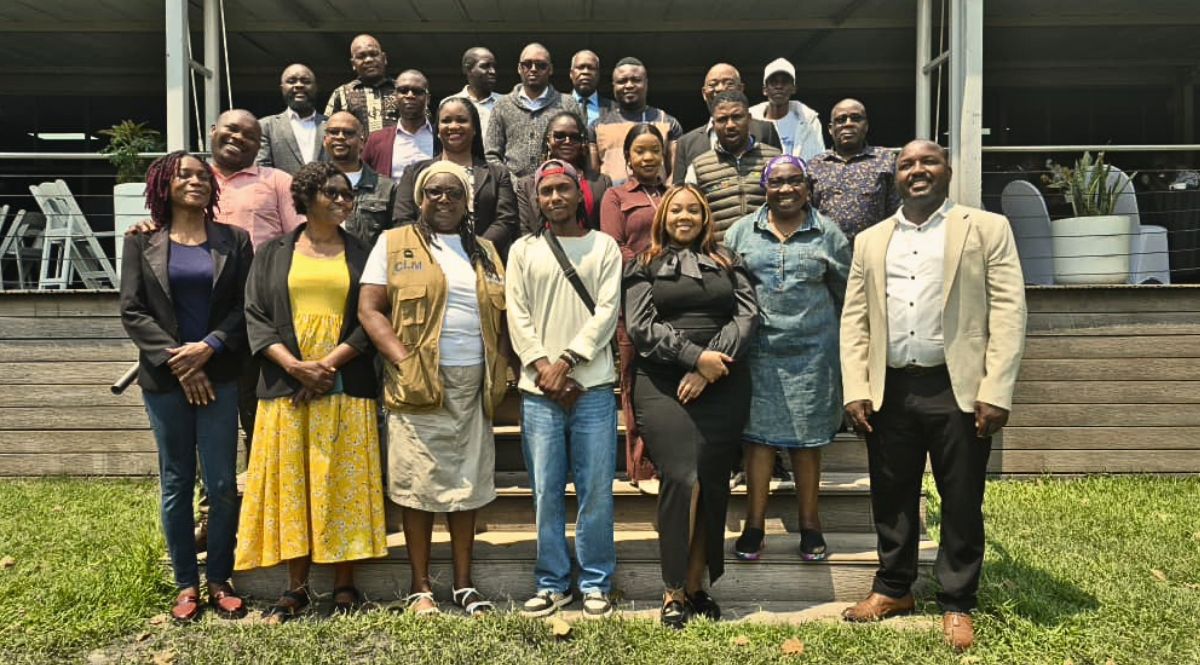
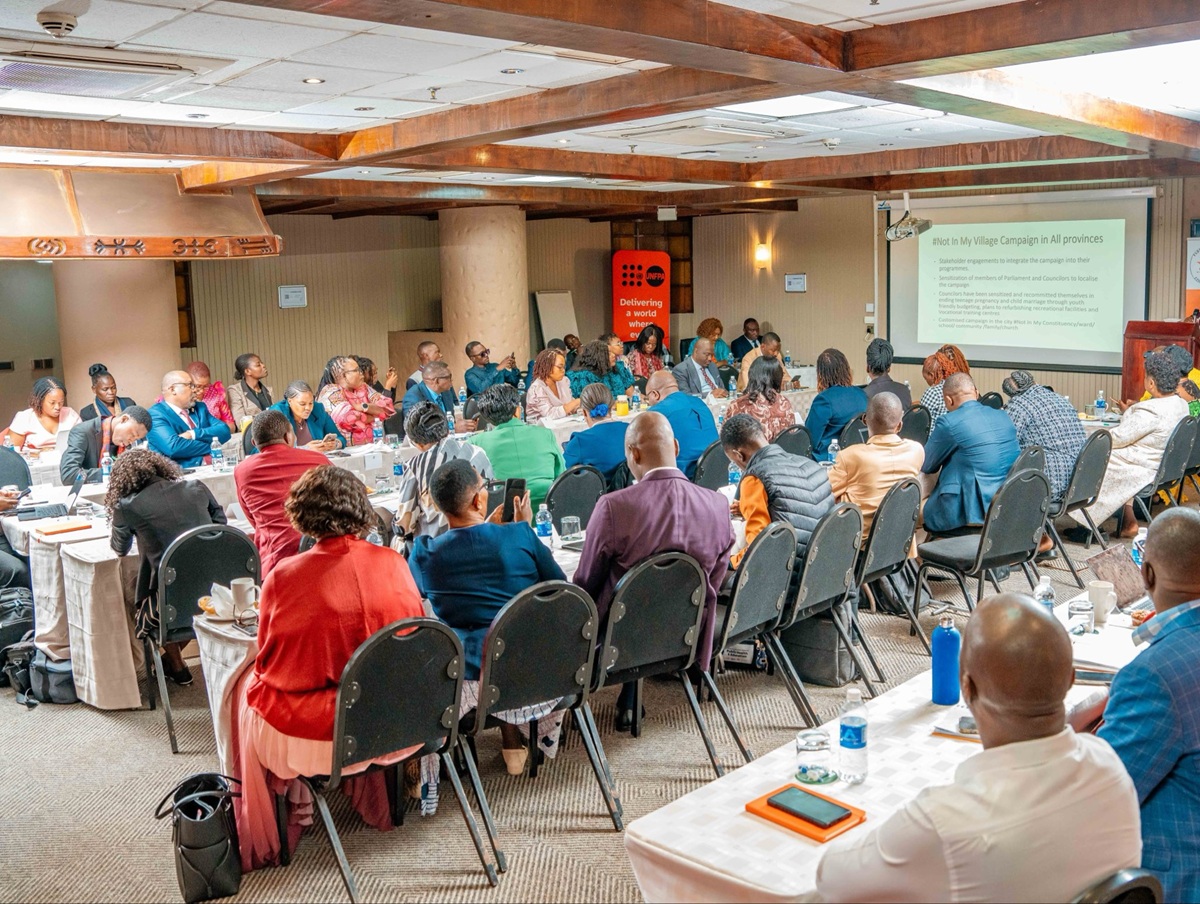
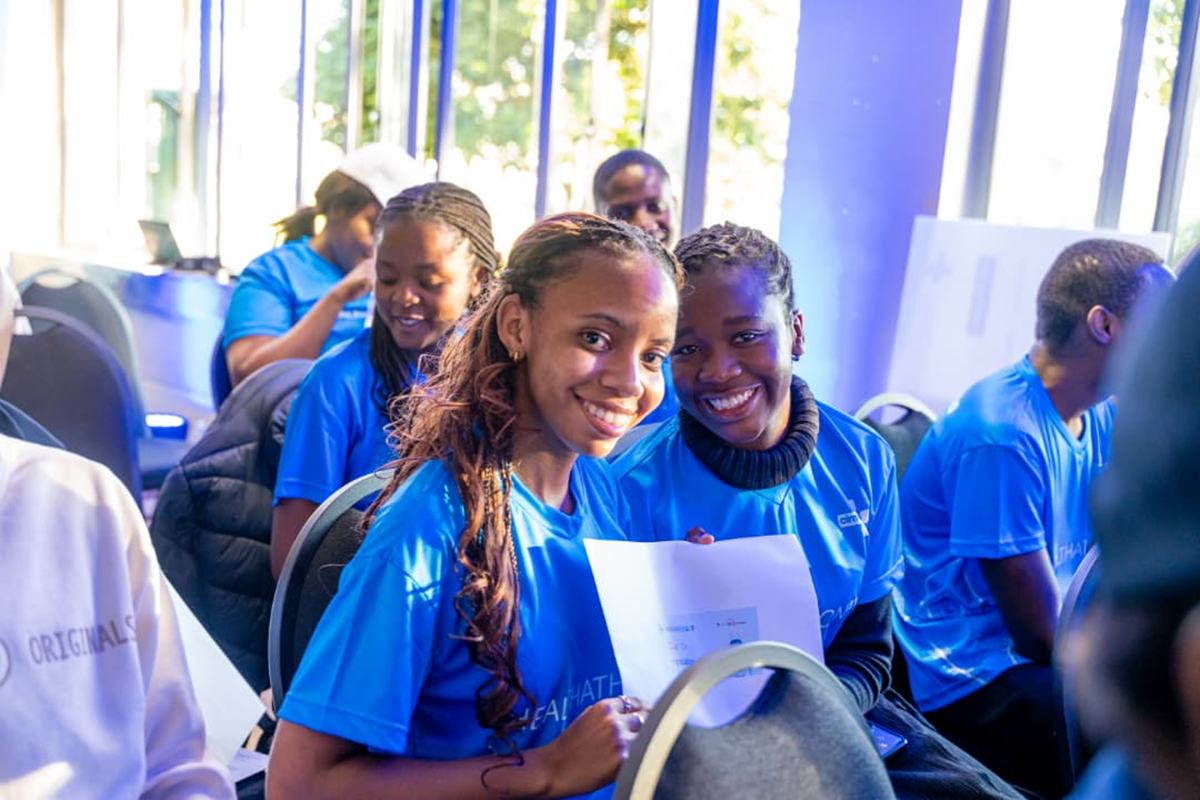
The calls were made during the opening of the three-day conference at the Namibia Institute of Public Administration and Management (NIPAM), where young leaders, policymakers, researchers, development partners and academics from across the region gathered under the theme, “Align for Action: Sustaining Progress in Youth Health and Education.”
Opening the conference, SARSYC VI Youth Steering Committee Chairperson Ms. Fadzai Nyamarebvu said the region’s future depended on young people taking an active role in shaping solutions to the challenges affecting their generation.
She said young people were confronting growing concerns including school dropouts, mental health challenges, substance abuse, digital violence, HIV, climate change and inequalities in education, making it essential for governments, researchers, civil society and development partners to work together.
“SARSYC matters because it brings together young people who refuse to be spectators in history. Young people who refuse to simply inherit Southern Africa but young people determined to help shape it,” she said.
Nyamarebvu urged delegates to use the conference to build partnerships and leave with concrete commitments that would translate into action.
“Leave this conference with something greater than inspiration. Leave with commitment. Because inspiration changes how we feel but commitment changes what we do,” she said.
The opening day also marked the third edition of the Regional Research Indaba, a platform designed to showcase youth-led research and strengthen evidence-informed policymaking across Southern Africa.
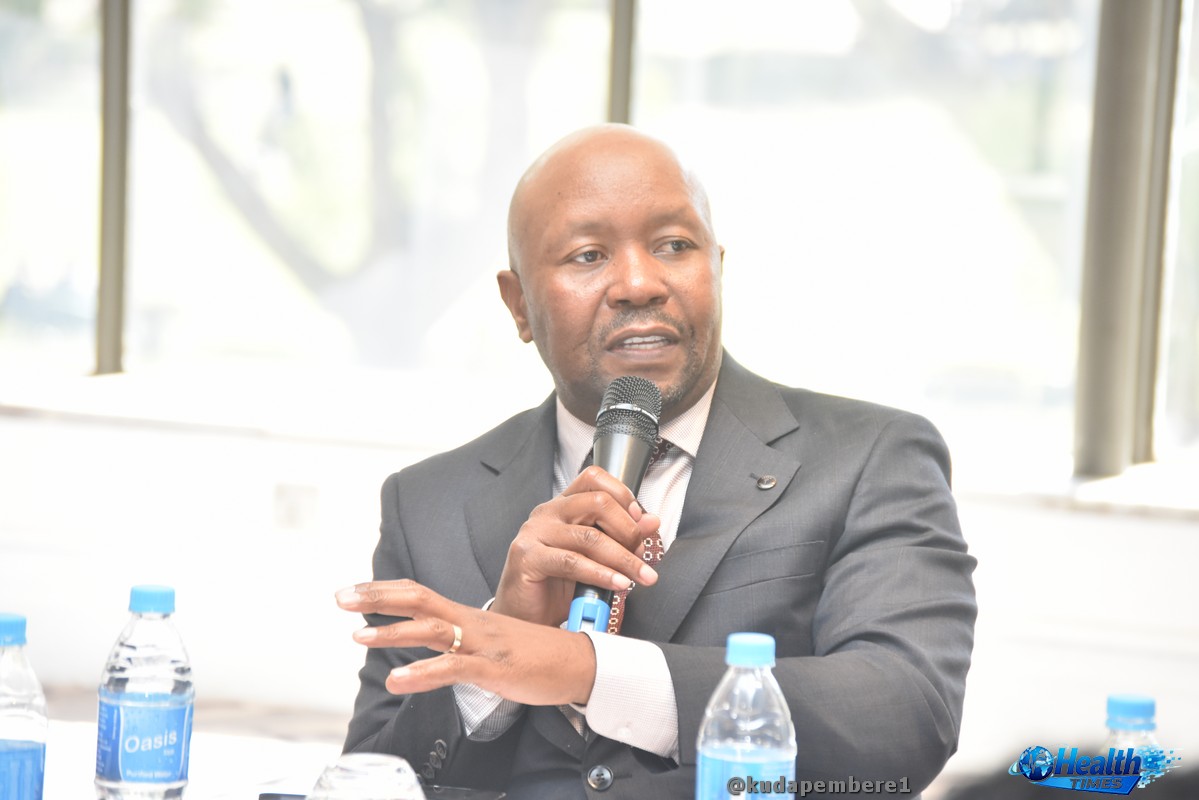
SAYWHAT Executive Director and SARSYC Convener Jimmy Wilford said the initiative had experienced remarkable growth since its launch in Malawi in 2022.
He said abstract submissions had increased from 21 during the inaugural Research Indaba to 274 this year, demonstrating growing interest among young people in producing research that informs policy and development.
Despite the increase, only 16 presentations—comprising eight oral and eight poster presentations—were selected following a competitive review process.
Wilford said the quality of submissions reflected the increasing capacity of young researchers across the region and highlighted the need for greater investment in youth-led research.
“We are no longer asking whether young people can produce evidence. We are asking how we can create more opportunities for the growing number of young researchers ready to contribute solutions for Southern Africa,” he said.
He added that discussions and findings emerging from the Research Indaba would inform alliance-building sessions, policy engagements and recommendations to be captured in the Windhoek Declaration at the end of the conference.
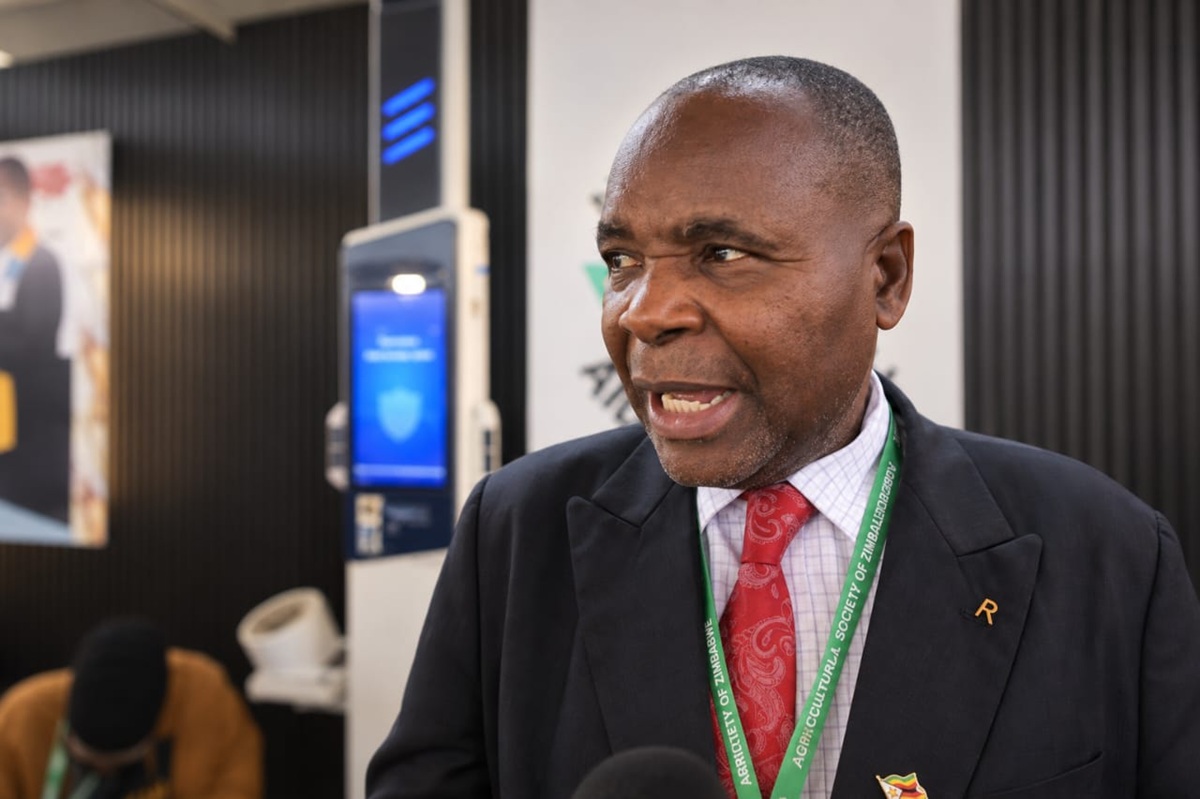
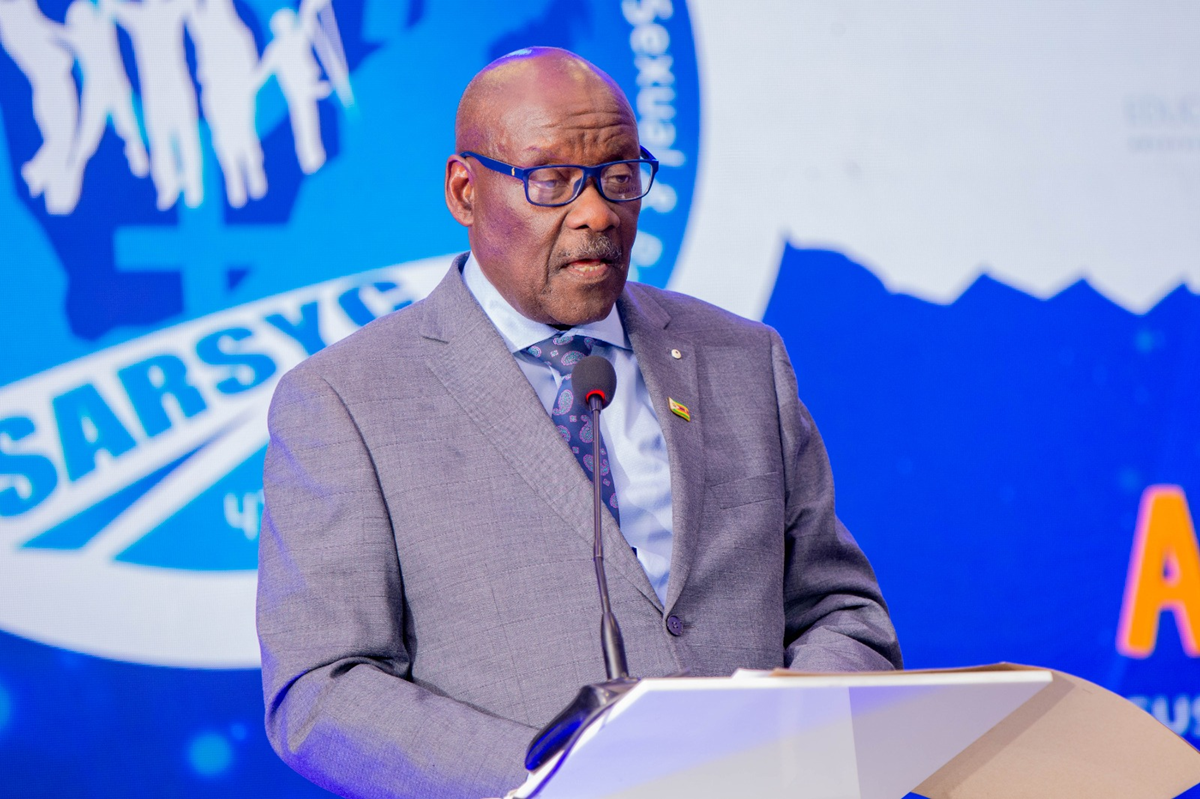
Delivering the keynote address at the Research Indaba, Senator in the Parliament of Zimbabwe and Society for AIDS in Africa representative Dr. David Parirenyatwa said evidence remained the foundation of effective public health and development policies.
He urged young researchers to ensure their work extended beyond academic presentations and contributed to improving programmes, informing legislation and influencing public policy.
“The research you present today may inform a national policy tomorrow. The recommendation you make today may shape legislation in the future,” he said.
Dr. Parirenyatwa said interconnected challenges such as HIV-related stigma, mental health, substance abuse, digital harms, educational inequalities and online gambling required coordinated regional responses supported by credible evidence.
He also challenged governments, legislators, development partners and civil society organisations to make decisions guided by research and reliable data.
During the session, Dr. Parirenyatwa officially launched the SARSYC V Research Volume, Second Edition: A SADC Regional Perspective by Young People on Emerging Issues in Health and Education, describing it as an important contribution to strengthening evidence-based policymaking and regional cooperation.