By Alice Mudzingwa
WINDHOEK, Namibia – Southern African leaders and development partners have urged governments to translate resolutions from the Sixth Southern African Regional Students and Youth Conference (SARSYC VI) into concrete policies and programmes that improve youth health, education and wellbeing across the region.
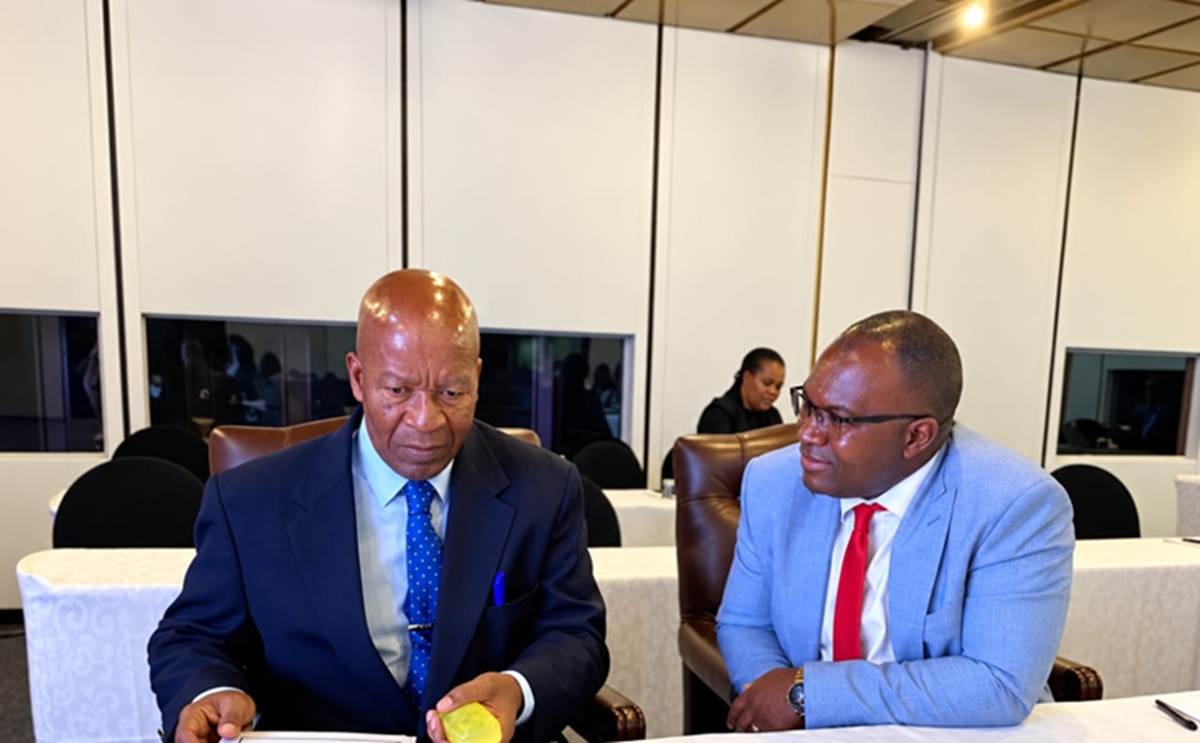
Speaking at the official ceremony of SARSYC VI in Windhoek on Friday, Khomas Regional Governor Hon. Sam Nujoma said the success of the three-day conference should be measured by the implementation of its resolutions beyond the gathering.
Nujoma urged governments and stakeholders to incorporate the outcomes of the conference into national development plans, budgets and policies affecting young people.
“The true measure of SARSYC VI will not be the eloquence of its declarations, but the distance and time we travel from resolution to cultivating results,” he said.
He called on policymakers and development partners to strengthen regional collaboration and invest in youth-led solutions, while urging young people to continue leading, organising, innovating and holding leaders accountable.
Nujoma said the challenges affecting young people transcend national borders and therefore require coordinated regional responses.
“What begins in Khomas must not end in Khomas. Let the ideas generated here travel across our borders,” he said.
He said investment in youth health and education was critical to building resilient communities, productive economies and prosperous nations.
Nujoma also highlighted challenges affecting young people, including sexual and mental health, non-communicable diseases, substance abuse and technology-facilitated gender-based violence.
Meanwhile, UNESCO Namibia Acting Country Representative Eunice Smith said sustainable progress in youth health and education depended on creating safe and inclusive learning environments.
Smith said health and education were closely interconnected and could not be addressed effectively without the meaningful participation and leadership of young people.
“What started primarily focused on Sexual and Reproductive Health and Rights in 2015 is now a powerful regional movement advancing the broader public health, education, youth leadership and cross-border collaboration,” she said.
She said universities and colleges should not only serve as centres of academic excellence but should also provide environments where young people develop the skills, values and confidence needed to contribute to society.
Smith called for safer campuses free from substance abuse, violence and health challenges affecting young people, including HIV, sexually transmitted infections, non-communicable diseases and mental health challenges.
She also raised concern over technology-facilitated gender-based violence, saying young women and men should be protected from violence within learning environments.
Smith reaffirmed UNESCO’s commitment to working with governments, higher and tertiary education institutions, civil society organisations and young people to promote inclusive and safe learning environments across Southern Africa.
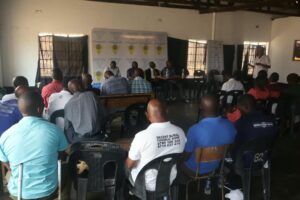
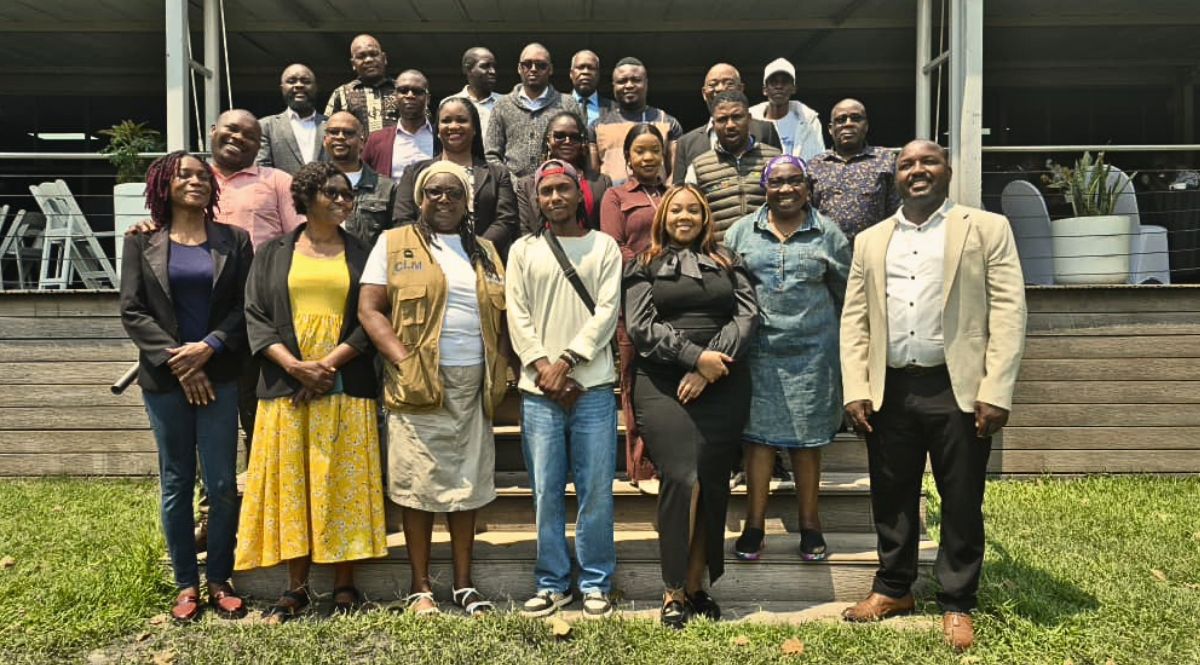
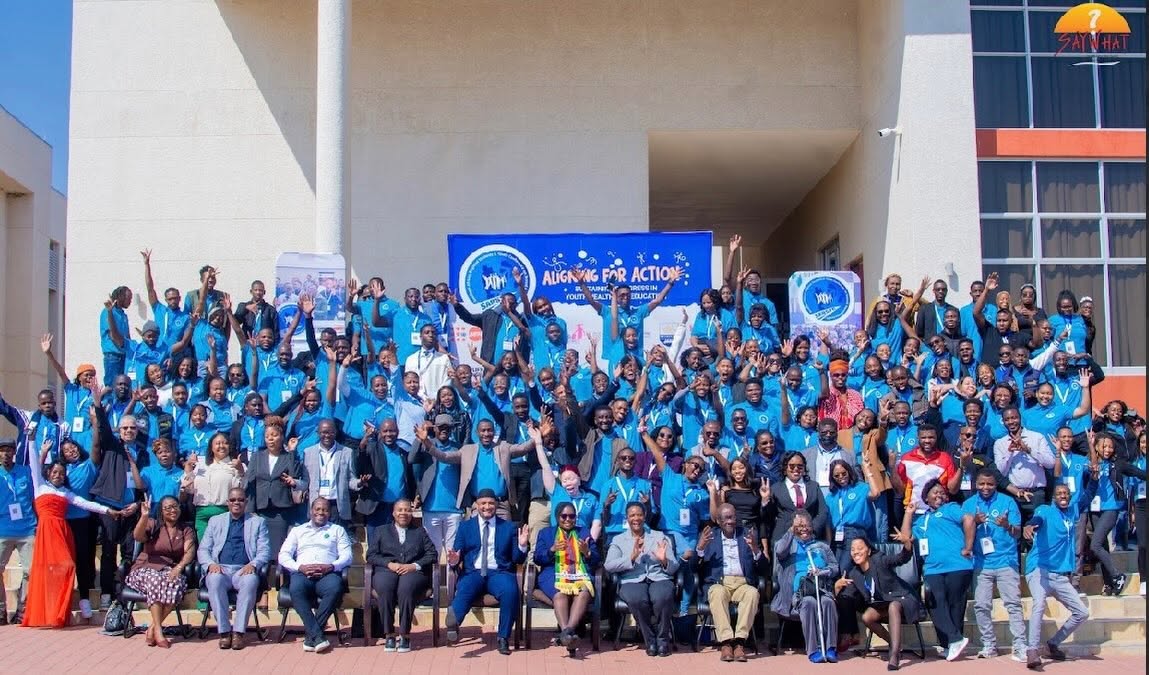
Delivering the Vote of Thanks, University of Namibia Pro-Vice Chancellor Academic Affairs Prof. Alfons Wabahe Mosimane said more than 200 delegates, the majority of them students and young people from institutions of higher learning across the region, participated in the conference.
Mosimane expressed appreciation to SAYWHAT, the University of Namibia, development partners, government institutions, civil society organisations, academics and youth leaders for supporting the conference.
He said the gathering had strengthened regional solidarity, amplified youth voices and created opportunities for young people to engage in discussions and develop solutions around health and education.
“As we leave Windhoek and return to our respective countries and institutions, let us transform dialogue into action, commitments into results, and partnerships into lasting impact,” Mosimane said.
He urged delegates to continue championing transnational advocacy, strengthening regional solidarity and advancing health and education priorities affecting young people across Southern Africa.
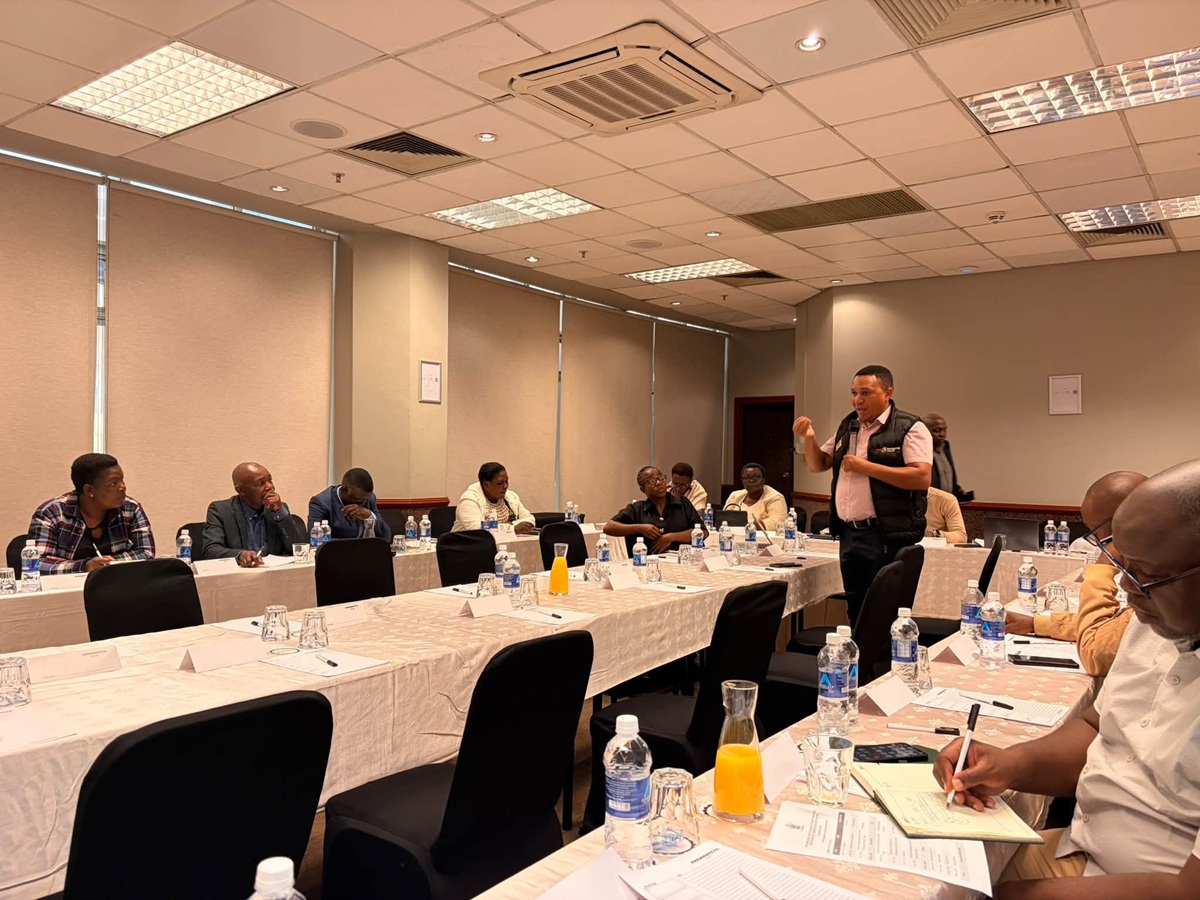
SARSYC VI brought together young people, policymakers, parliamentarians, academics, development partners and civil society representatives from across the region to deliberate on issues affecting youth health, education and development.