By Michael Gwarisa
Despite improvements in several food security and nutrition indicators, stunting rates among children under five in Zimbabwe remain alarmingly high, posing a significant threat to the nation’s human capital and long-term development, according to the recently released 2025 Rural Livelihoods Assessment Report.
The report, produced by the Zimbabwe Livelihoods Assessment Committee (ZimLAC), indicates that 23.8% of children aged 6-59 months are stunted. Stunting, defined as impaired growth and development due to poor nutrition, repeated infection, and inadequate psychosocial stimulation, has lifelong consequences for health, cognitive ability, and economic productivity.
While the national stunting prevalence has seen a slight decrease from 26.7% in 2022, the report underscores that the current rate “remains high according to the World Health Organization (WHO) classification.” Critically, it also “falls short of the National Development Strategy 1 (NDS1) target of 17%” by the year 2025. This indicates that the country is off-track to meet its own developmental aspirations for child nutrition.
The burden of stunting is not evenly distributed across the country. The assessment reveals stark provincial disparities. Matabeleland South has the highest stunting rate at 26.7%, followed closely by Manicaland at 25.5%. All eight rural provinces recorded stunting levels above 20%, which the WHO classifies as a “high” public health significance. “All provinces recorded stunting levels above the WHO threshold of at least 20% classified as high (20-30%),” the report states.
The persistence of stunting occurs against a backdrop of improved food availability at the national level. The report attributes a significant increase in household cereal harvests to a favourable rainfall season, with total cereal production for the 2024/25 season estimated at 2,928,206 metric tonnes. This agricultural boost has contributed to a dramatic 73.2% drop in general cereal insecurity, from 56% of households in 2020 to 15% in 2025.
However, the data confirms that food availability alone does not guarantee good nutritional outcomes for children. The report highlights inadequacies in infant and young child feeding practices. While there has been an improvement, only 11.9% of children aged 6–23 months consumed a Minimum Acceptable Diet (MAD) in 2025. This figure remains critically below the national target of 25%, indicating that the quality and diversity of foods fed to young children are insufficient.
“About 27% of children were reported to be consuming a diverse diet,” the assessment notes, pointing to a widespread lack of dietary variety that is essential for providing the micronutrients needed for healthy growth and cognitive development.
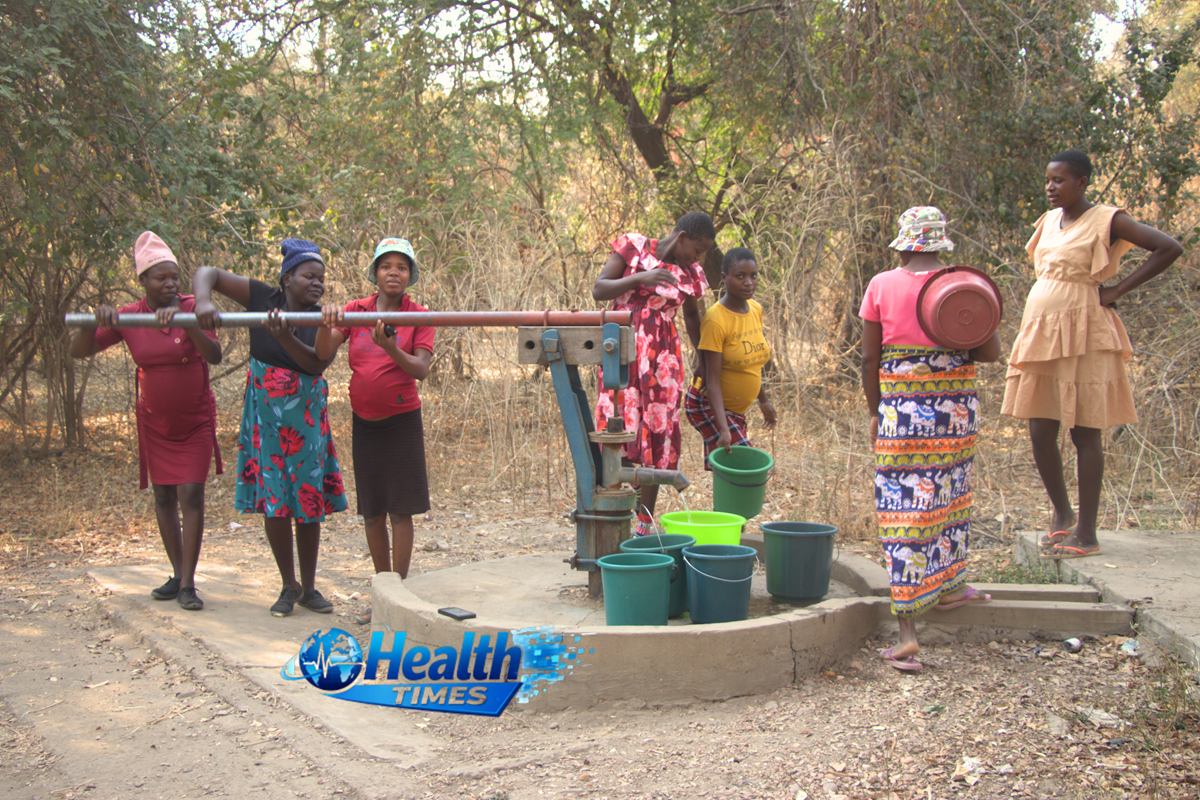
The ZimLAC report positions stunting as a multi-sectoral issue, linking it not only to dietary intake but also to underlying factors like Water, Sanitation, and Hygiene (WASH). The report calls for sustained efforts, noting that 24% of rural households still practise open defecation, a factor strongly associated with repeated infections that contribute to nutrient loss and stunting.
In its conclusions, the report advocates for “food-based strategies involving dietary diversification (homestead nutrition gardening, animal husbandry, and nutrition education) as the long-term sustainable strategies.” It recommends that the Ministry responsible for Agriculture “create an enabling environment that supports sustainable agriculture for practicing dietary diversification.”