By Michael Gwarisa in RIO DE JANEIRO, Brazil
UNAIDS says the world now has the tools to end AIDS as a public health threat by 2030, but warned on Monday that funding cuts and political decisions are threatening to reverse decades of progress despite major scientific breakthroughs.
Launching the 2026 Global AIDS Update ahead of the opening of the 26th International AIDS Conference in Rio de Janeiro, UNAIDS said long acting HIV prevention medicines have brought the goal of ending AIDS within reach. But it warned that shrinking international funding, widening inequality and growing restrictions on human rights are preventing millions of people from accessing lifesaving prevention and treatment services.
The report comes as donor government funding for the global HIV response fell by 25 percent in 2025, the steepest single year decline since international financing for HIV programmes began more than two decades ago. The decline, driven largely by reductions in United States support, has forced some countries to scale back prevention programmes, community services and treatment, according to a joint analysis by UNAIDS and KFF.
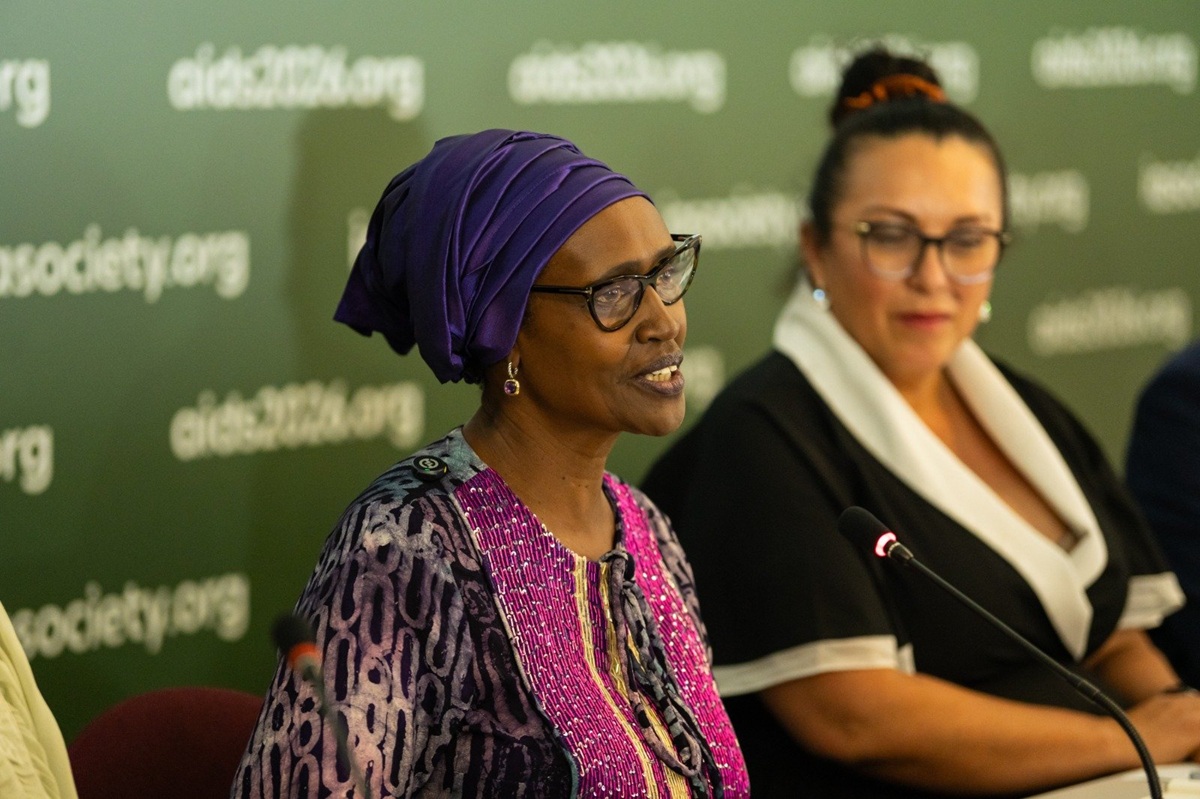
Addressing journalists before the conference officially opened, UNAIDS Executive Director Winnie Byanyima said the report tells “two stories.”
“The first one is of extraordinary scientific progress. Today we have prevention medicines so effective that if they reached everyone who needs them, we can realistically end AIDS as a public health threat,” she said.
“The second story is a warning.”
Byanyima said the warning reflects a growing funding crisis that is already disrupting HIV services, with community organisations closing, prevention programmes shrinking and health workers losing their jobs in countries that rely heavily on international assistance.
“When prevention disappears, infections rise. When treatment is interrupted, people die,” she said, warning that the consequences of the current funding crisis are predictable if governments fail to act.
Opening the conference later on Monday, World Health Organization Director General Dr Tedros Adhanom Ghebreyesus said the world had made significant progress against HIV but cautioned that those gains remain under threat.
“The world has made extraordinary progress against HIV,” Tedros said. “New acquisitions and AIDS related deaths are at their lowest levels in more than three decades. Millions more people are receiving life saving treatment, and ending AIDS as a public health threat by 2030 remains within reach. But that progress is fragile.”