
Own Correspondent
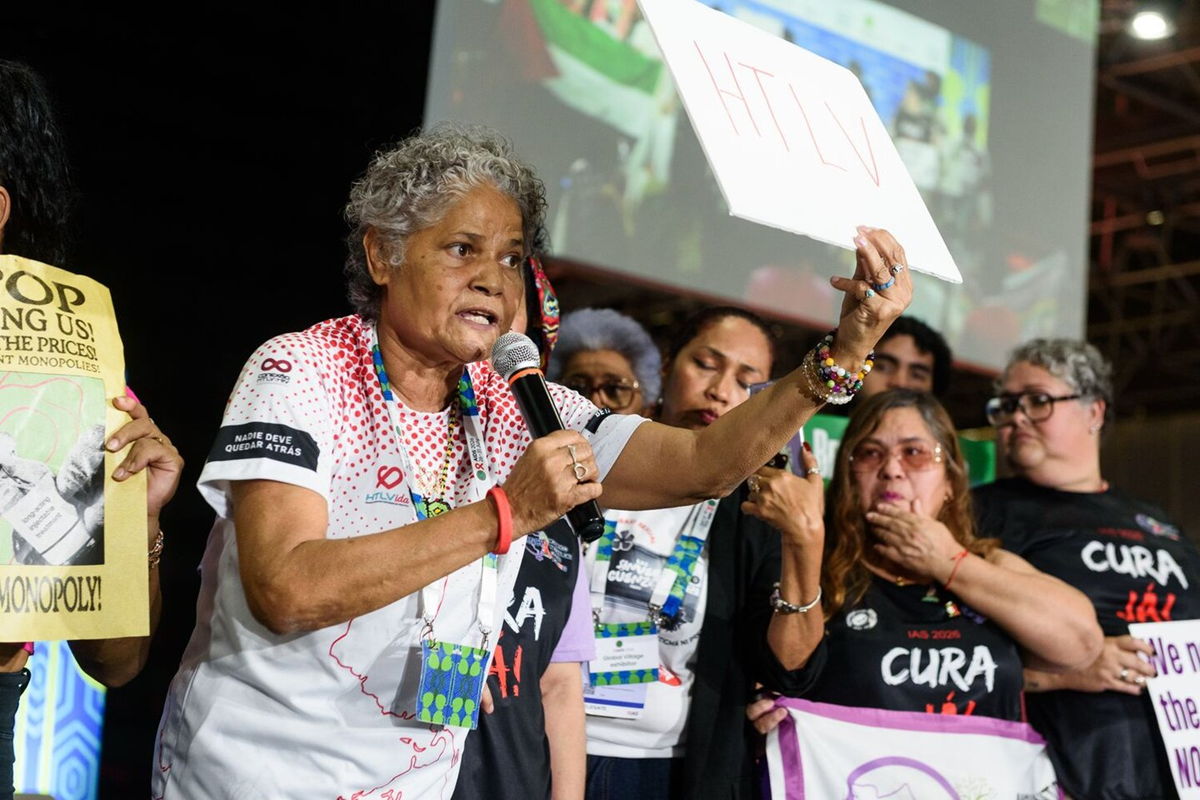
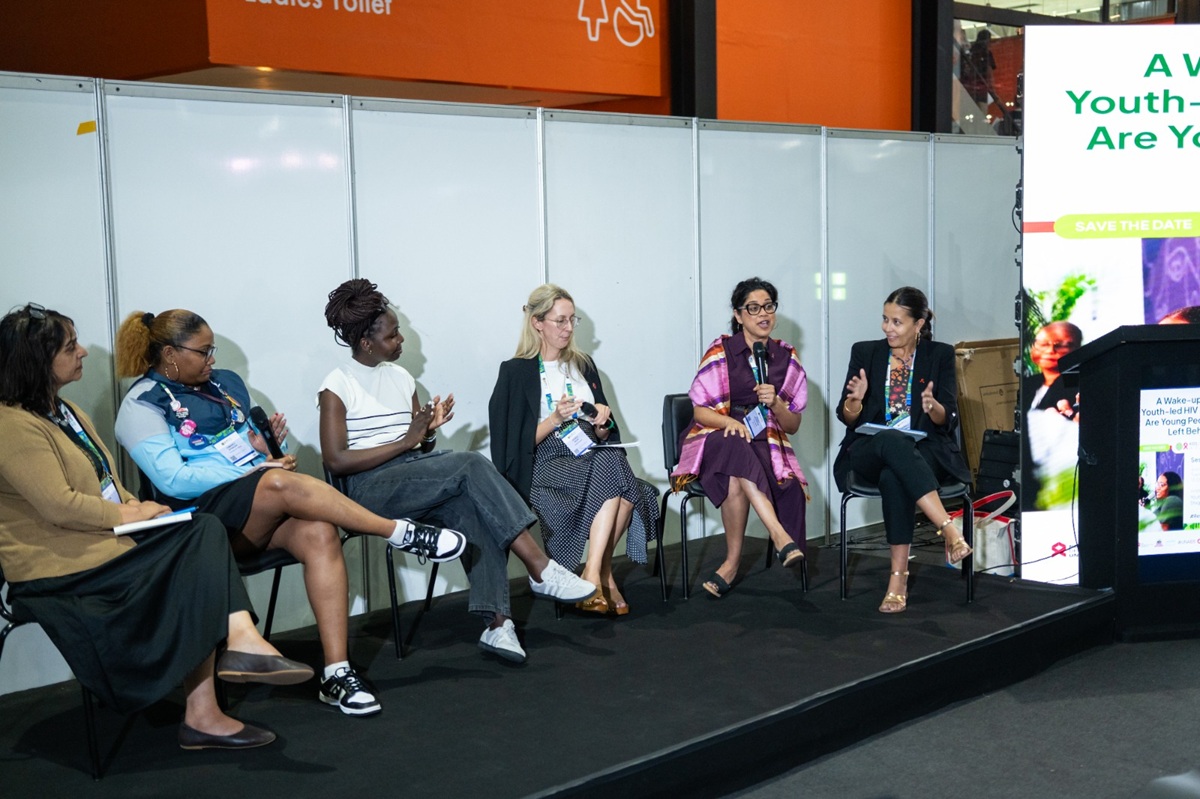
RIO DE JANEIRO, Brazil – July 28, 2026 — At the 26th International AIDS Conference (AIDS 2026), the world’s HIV leaders are on notice. Young people and advocates have one clear message: fund the next chapter of the Global Fund with genuine partnership, not empty promises. Fail to do so, and the world risks losing an entire generation.
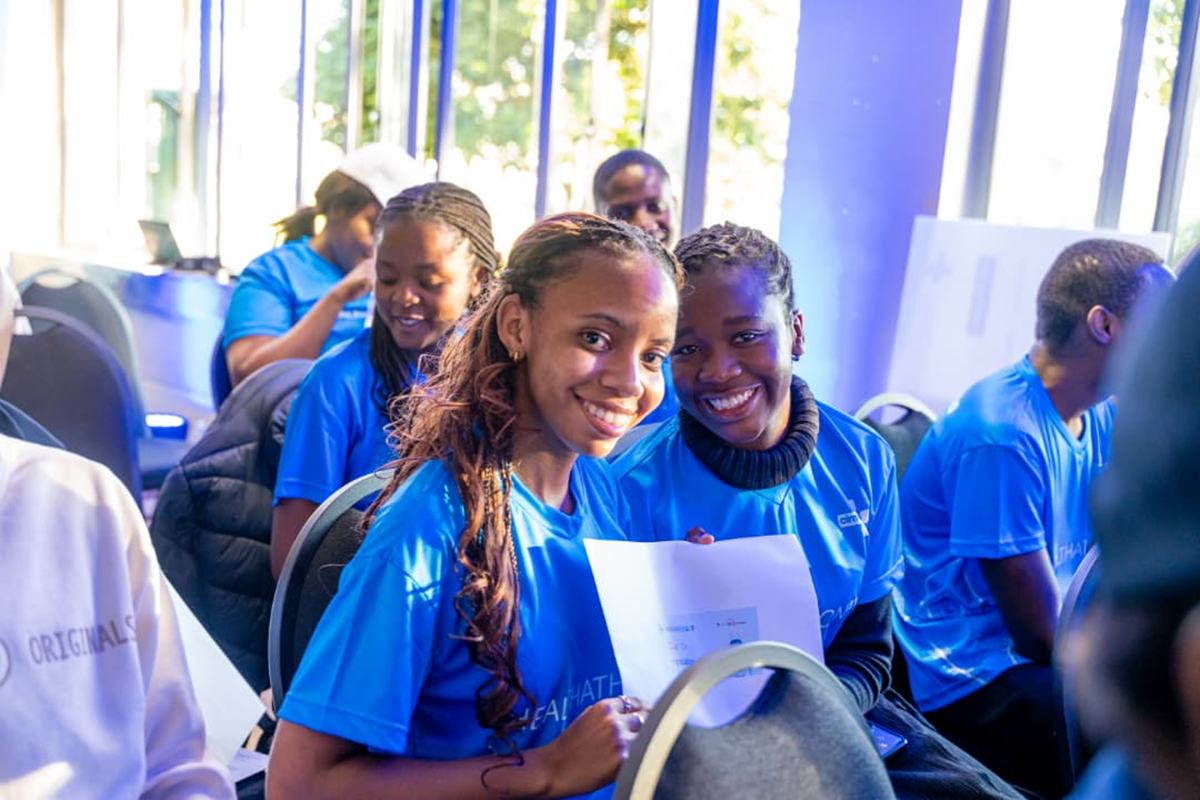
Young leaders say it is time to build meaningful partnerships with young people while humanising the numbers and statistics behind the fight against HIV, tuberculosis (TB), and malaria. Beyond the data are real lives, healthcare workers, activists, survivors, and communities whose stories drive action in cabinet rooms and boardrooms around the world.
“We, as young people, have the initiative to make change happen, but we need the mandate to execute it,” advocates say. “Forget tokenism. Move from consultation to trusted partnership with shared ownership. Design change with us, not about us—we are your partners in building a common future.”
As the world looks towards ending AIDS by 2030, young people argue that personal stories must remain at the centre of the global response, making it impossible for decision-makers to ignore the human cost of inaction.
Young People Demand a Seat at the Table
At AIDS 2026, young delegates are asking a simple question: What truly counts for us?
Young people make up the majority of the population in many countries today and will represent an even greater proportion tomorrow. Yet many believe that the systems designed to protect them continue to exclude them from meaningful decision-making.
Throughout the conference’s Global Village, youth advocates are calling for a shift from consultation to genuine shared ownership.
“Design change with us, not about us. We are your partners in a common future.”
The US$5 Billion Gap and Its Human Cost
The Global Fund’s Eighth Replenishment concluded with US$12.64 billion, falling US$5 billion short of the US$18 billion target required to support programmes between 2026 and 2028.
Advocates warn that the funding shortfall will trigger a domino effect, forcing countries to make difficult decisions about which life-saving programmes to scale back or discontinue.
Young people are expected to bear the greatest burden.
Adolescent girls aged 15–19 account for 71% of new HIV infections among adolescents. When funding declines, access to HIV self-testing, pre-exposure prophylaxis (PrEP), and youth-friendly health services often declines with it.
For millions of young people, advocates say, these funding decisions represent the difference between a healthy future and becoming another statistic.
“Young People Are an Investment, Not an Expense”
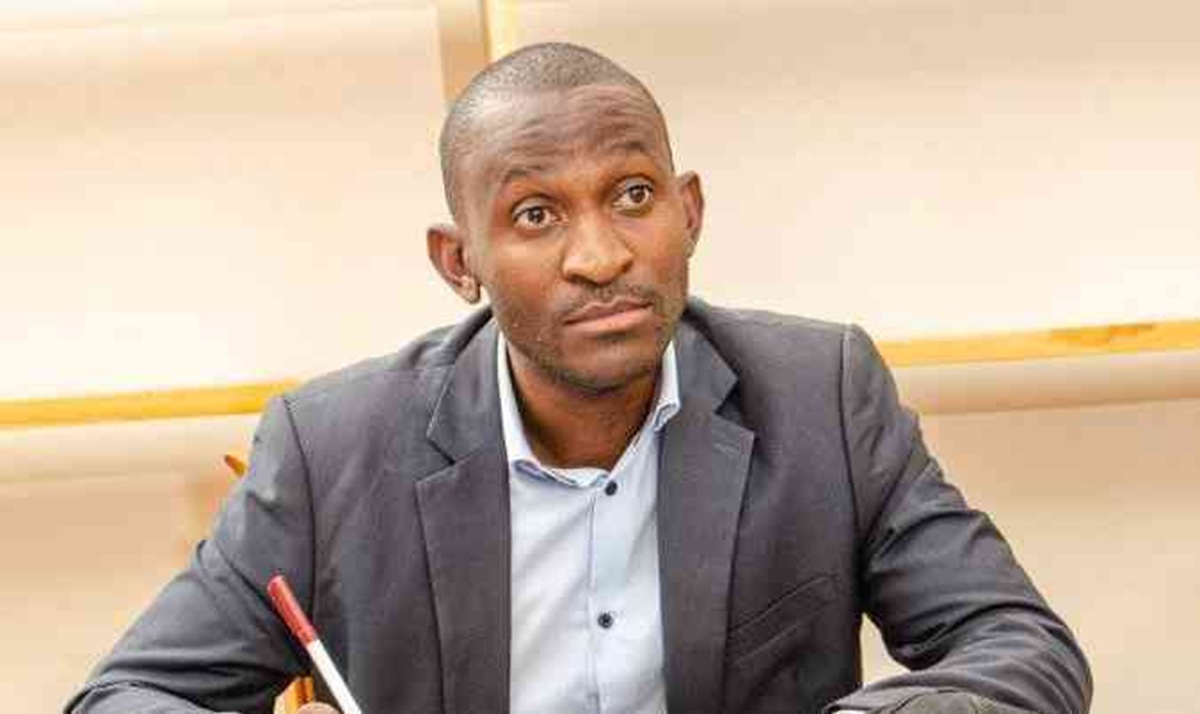
“The funding gap is not just a fiscal failure—it is a failure of vision,” says Maxwell Changombe of Restless Development.
“Young people are an investment, not an expense, with dividends that last a lifetime.”
He argues that leaders who fail to invest in young people today are not only failing a moral obligation but also neglecting the very generation that will shape future political, social, and economic development.
“Investing in young people is not charity,” he says. “It is the most cost-effective and sustainable strategy for ending AIDS as a public health threat.”
From Tokenism to Genuine Ownership
Young leaders insist that increased funding alone will not solve the problem.
They are calling for structural reforms that reflect the Global Fund’s principles of local ownership and co-creation.
Their message is straightforward:
“Nothing for us without core funding to us.”
This means replacing short-term, project-based grants with flexible, long-term investments that empower youth-led organisations to design and lead responses in their own communities. Restless Development has consistently argued that meaningful youth engagement requires more than participation—it requires shifting power to young people.
Advocates are therefore calling for shared accountability, transparent performance indicators that young people help design, the removal of structural barriers, an end to gatekeeping, and adequate resources to enable youth leadership.
Making the “Invisible” Visible
Young people also want health systems to recognise issues that often remain overlooked.
They argue that health information and services should be accessible, trustworthy, inclusive, and co-created with young people themselves, ensuring that no one is left behind.
Innovation, they say, must reach everyone—including young people living in remote and underserved communities.
They are urging governments and donors to give the same urgency to often “invisible” challenges such as:
- Mental health;
- Trauma;
- Chronic illness;
- Hidden disabilities;
- Malnutrition; and
- Sexual and reproductive health and rights (SRHR).
Advocates stress that violence, gender inequality, and discrimination are not secondary issues—they are fundamental drivers of HIV vulnerability, particularly among adolescent girls.
Rather than expecting young people to overcome these barriers, they argue that governments and stakeholders should remove them altogether by designing systems that are gender-responsive, disability-inclusive, and equitable from the outset.
The Choice Facing Rio
With the 2026 replenishment now concluded and the next major funding opportunity still years away, advocates say the decisions and commitments made in Rio will determine whether this generation is protected or left behind.
Young people insist they are no longer waiting for permission to lead. They are already organising, innovating, educating, and supporting their peers. However, they say they cannot succeed alone.
“We reach our peers in ways institutions cannot because we share their language, their platforms, and their trust. That is not idealism—it is epidemiology.”
Ultimately, advocates say, the question is no longer whether young people are ready. The real question is whether governments, donors, and global leaders are prepared to invest in them, trust them, and treat them not as an afterthought, but as equal partners in shaping the future of the global HIV response.