By Michael Gwarisa
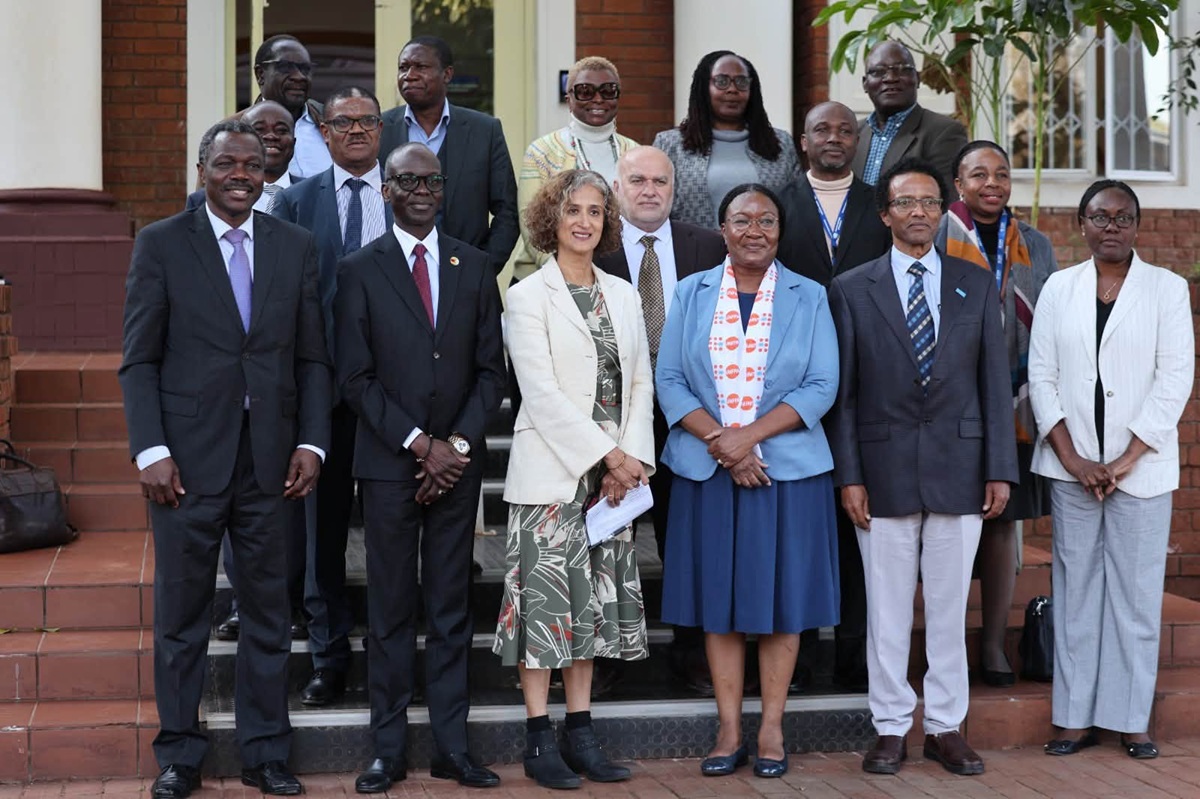
When Lydia Zigomo, the UNFPA Regional Director for East and Southern Africa arrived in Zimbabwe for her recent high-level mission, her schedule appeared much like that of many senior United Nations officials. There were meetings with government ministers, engagements with development partners, discussions with young people, visits to key national institutions and participation in the Southern African Development Community (SADC) Ministers of Health and Ministers of Finance Meeting.
Yet this was far more than a diplomatic courtesy call.
Behind the packed itinerary was a mission that reflected one of the biggest questions confronting African health systems today: how can countries protect the health and rights of women and girls while building resilient sexual and reproductive health systems in an era of shrinking donor support?
For the United Nations Population Fund (UNFPA), Zimbabwe is increasingly becoming part of the answer.
During her visit, Zigomo met officials from the Ministry of Health and Child Care, the Zimbabwe National Statistics Agency (ZIMSTAT), the judiciary, development partners and youth organisations, reaffirming UNFPA’s longstanding partnership with Zimbabwe in advancing sexual and reproductive health and rights (SRHR), gender equality and population development.
The discussions focused on some of Zimbabwe’s most pressing health priorities, including reducing maternal mortality, preventing adolescent pregnancies, eliminating gender-based violence and expanding access to quality, youth-friendly SRHR services.
Collectively, the engagements painted a picture of a country seeking to take greater ownership of its reproductive health agenda while positioning itself as a regional example of innovative health financing, commodity security and health systems strengthening.
From donor dependence to national ownership
For decades, reproductive health programmes across Africa have depended heavily on external funding to procure contraceptives and other essential commodities. As development assistance becomes less predictable, governments are increasingly being challenged to invest more of their own resources.
Zimbabwe has responded by steadily increasing domestic investment in family planning.
One of the clearest examples is the Family Planning Compact, an innovative financing arrangement under which government spending on contraceptives is matched by UNFPA through its flagship Supplies Partnership.
During her visit to the National Pharmaceutical Company (NatPharm), Zigomo described Zimbabwe as one of the initiative’s strongest performers.
“We have what we call a Compact for family planning supplies, which allows governments to put money into family planning products, and the United Nations Population Fund matches that through funding that it receives from a variety of donors,” she said.
Through the Compact’s Match Fund, participating governments receive up to US$2 in donor support for every US$1 invested in contraceptive procurement, creating a powerful incentive for countries to finance their own reproductive health programmes.
Zimbabwe has embraced the approach.
At the International Conference on Family Planning in Bogotá, Colombia, the Government committed US$2.25 million annually towards contraceptive procurement in both 2026 and 2027, a move that has unlocked greater support from UNFPA.
“This has been working very well in Zimbabwe. Zimbabwe is one of the countries which has been doing well on the Family Planning Compact, and it has allowed Zimbabwe to actually access a greater amount of funding for supplies for family planning,” Zigomo said.
The model is now attracting regional attention.
“It’s a good practice that’s been picked up around the region. More countries are actually joining the Compact process,” she added.
Looking beyond family planning, Zigomo believes the same approach could strengthen broader health financing.
“As the Health Resilience Fund exits and finishes in Zimbabwe, might there be room to be thinking about some kind of a health Compact that goes beyond just family planning supplies? It is a model that could be replicated on a larger scale.”
Following the journey from warehouse to woman
While financing is critical, it represents only the beginning of the story. Medicines only improve lives when they reach health facilities and the women who depend on them.
That responsibility rests with NatPharm, Zimbabwe’s national medicines distribution agency.
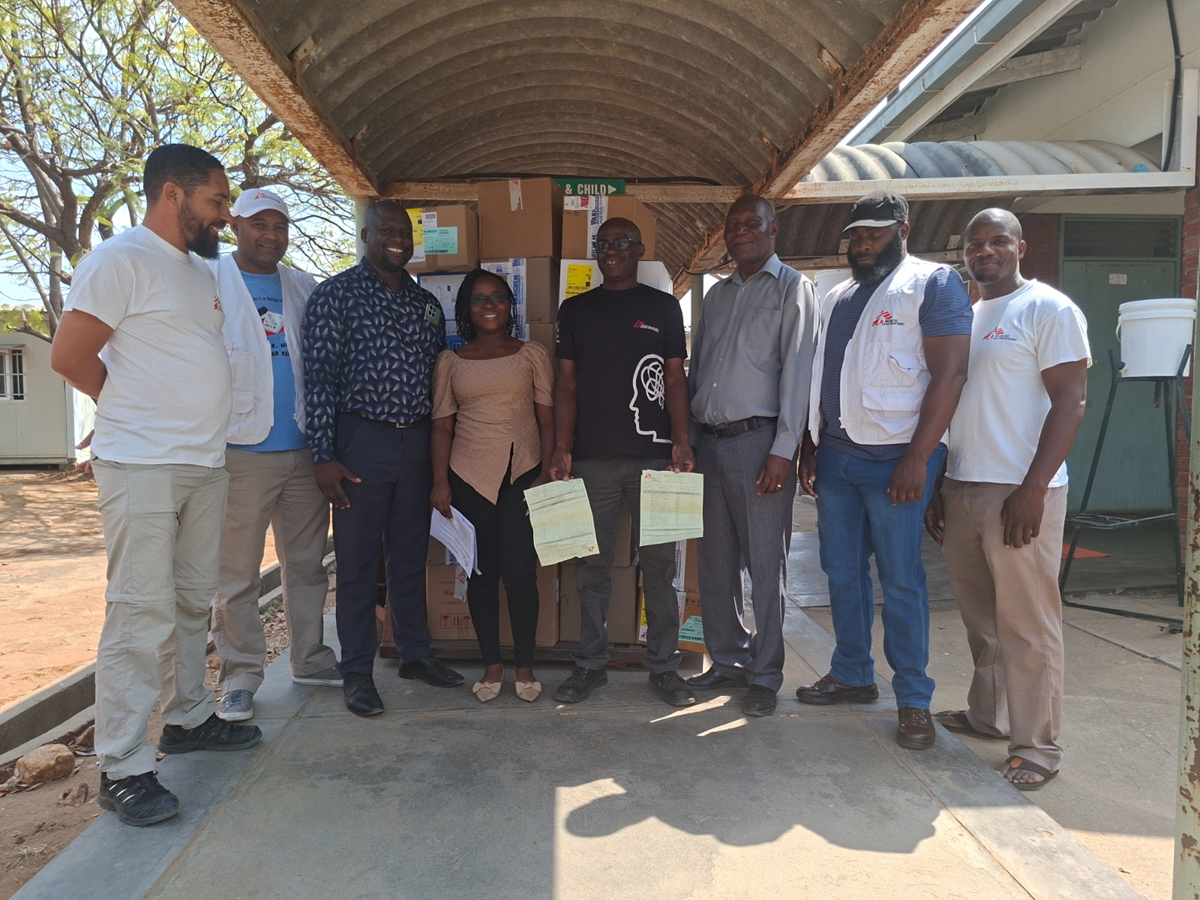
Walking through its warehouses, Zigomo observed how contraceptives, maternal health commodities and other reproductive health supplies are stored before being distributed to nearly 2,000 health facilities across the country.
NatPharm Managing Director Newman Madzikwa said the organisation works closely with the Ministry of Health and Child Care and UNFPA throughout the supply chain, from forecasting national demand to procurement, warehousing and nationwide distribution.
“Our first role within the supply chain ecosystem is to support commodity security. NatPharm’s primary mandate is the procurement, warehousing and distribution of health products, and I can assure you that every corner of the country, no matter how remote, receives its supplies,” Madzikwa said.
Using the Zimbabwe Assisted Pull System, health facilities submit quarterly orders while emergency deliveries are accommodated whenever necessary, ensuring a continuous supply of contraceptives, long-acting family planning methods, maternal health commodities and fistula repair kits.
Protecting women’s dignity
For Zigomo, strengthening supply chains is ultimately not about moving medicines from warehouses to clinics. It is about protecting the health, dignity and futures of women.
During her tour of NatPharm, the UNFPA Regional Director took a keen interest in Zimbabwe’s burden of obstetric fistula, seeking to understand why the country continues to record cases of the preventable childbirth injury and what more could be done to eliminate it.
Obstetric fistula, often caused by prolonged obstructed labour without timely emergency obstetric care, leaves women with chronic incontinence and frequently results in stigma, social isolation and loss of dignity.
Zigomo reaffirmed UNFPA’s commitment to supporting Zimbabwe’s efforts to eliminate fistula through prevention, treatment and access to life-changing repair surgery.
“Every woman deserves to live with dignity. UNFPA will continue supporting initiatives that restore that dignity through fistula repair while working with partners to prevent new cases from occurring.”
Her concern reflected a broader philosophy that runs throughout UNFPA’s work across the region. Investing in reproductive health is not simply about improving statistics. It is about ensuring that no woman suffers or dies from preventable pregnancy and childbirth complications.
A regional conversation
Zigomo’s mission coincided with the SADC Ministers of Health and Ministers of Finance Meeting, where governments explored new ways of strengthening health systems through regional cooperation.
Among the proposals discussed was a SADC pooled procurement framework for sexual and reproductive health commodities.
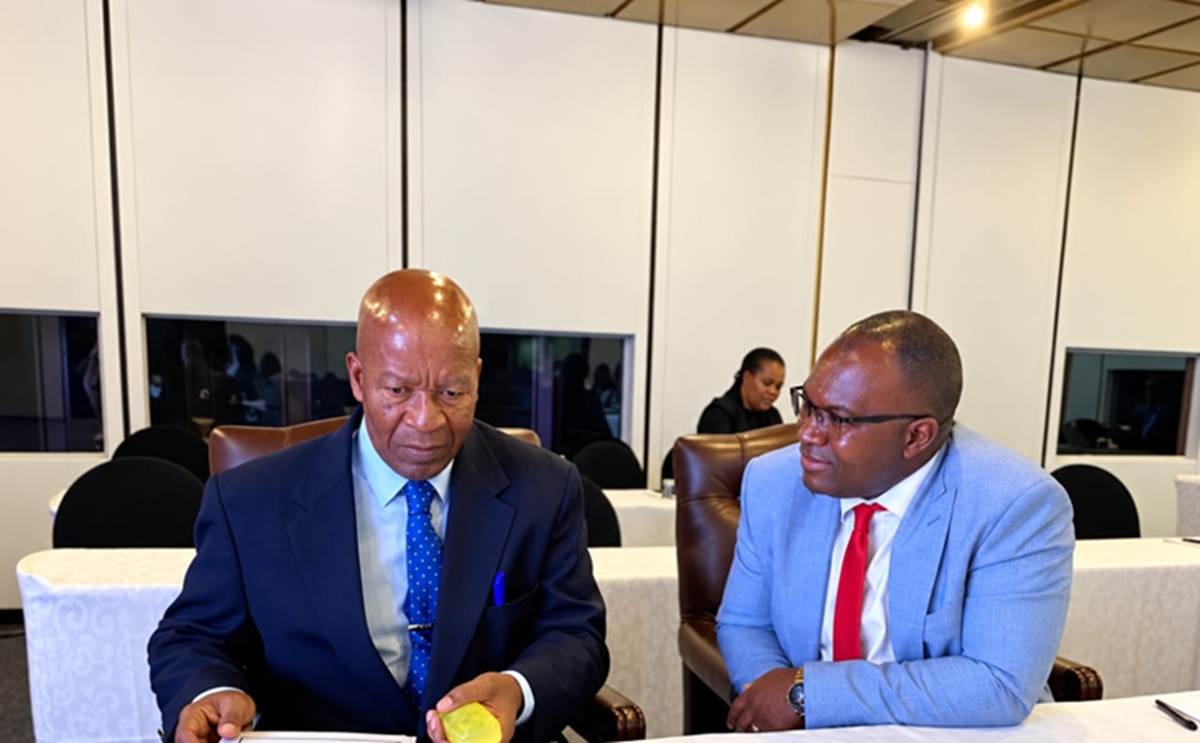
Zimbabwe’s Minister of Health and Child Care, Dr Douglas Mombeshora, believes the initiative could significantly reduce procurement costs while improving access to medicines.
“When we have good procurement, we are able to procure more for less. Therefore, it means we have more medicines reaching our mothers out in the rural areas,” he said.
He added that pooled procurement would streamline logistics, shorten delivery times and improve access to affordable reproductive health commodities, particularly for young people.
For countries facing increasingly constrained health budgets, regional collaboration may become just as important as national investment.
Investing in the next generation
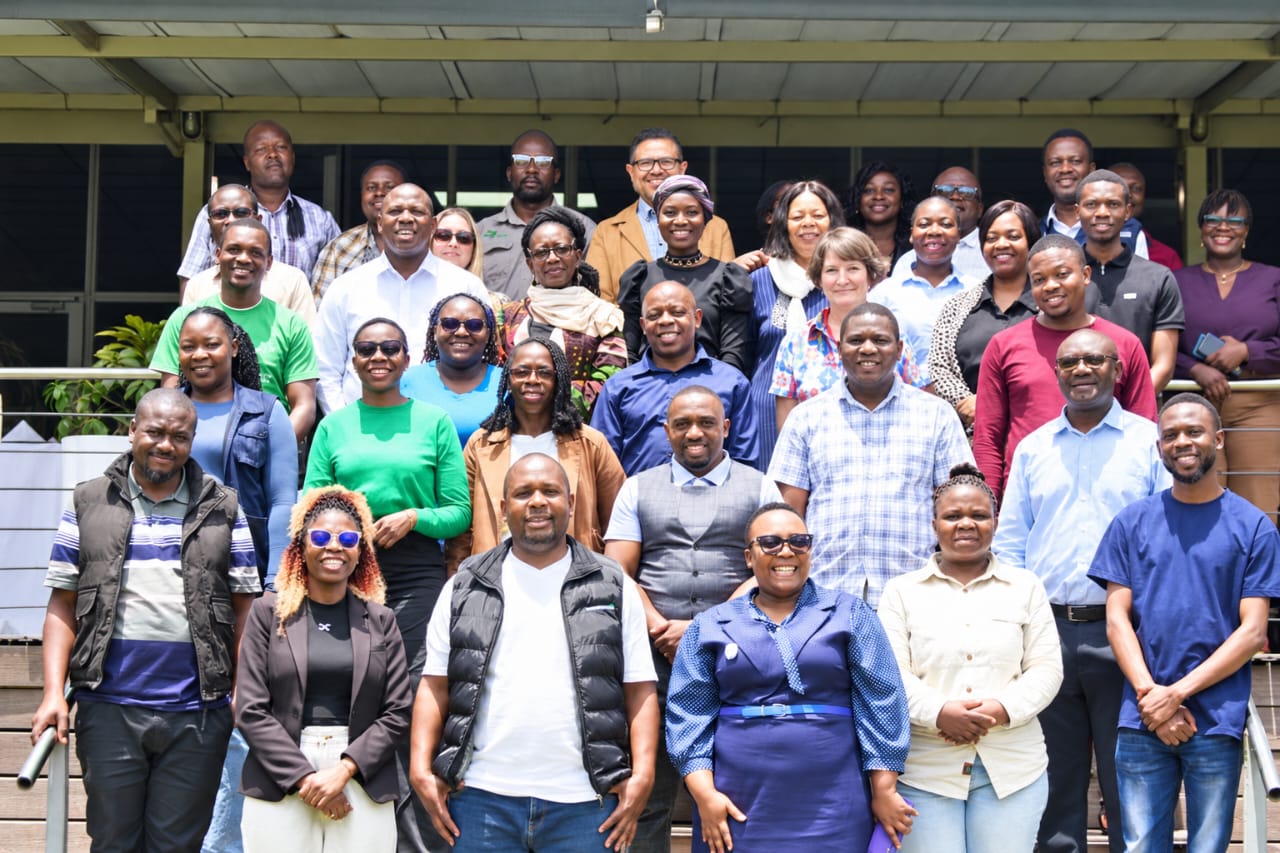
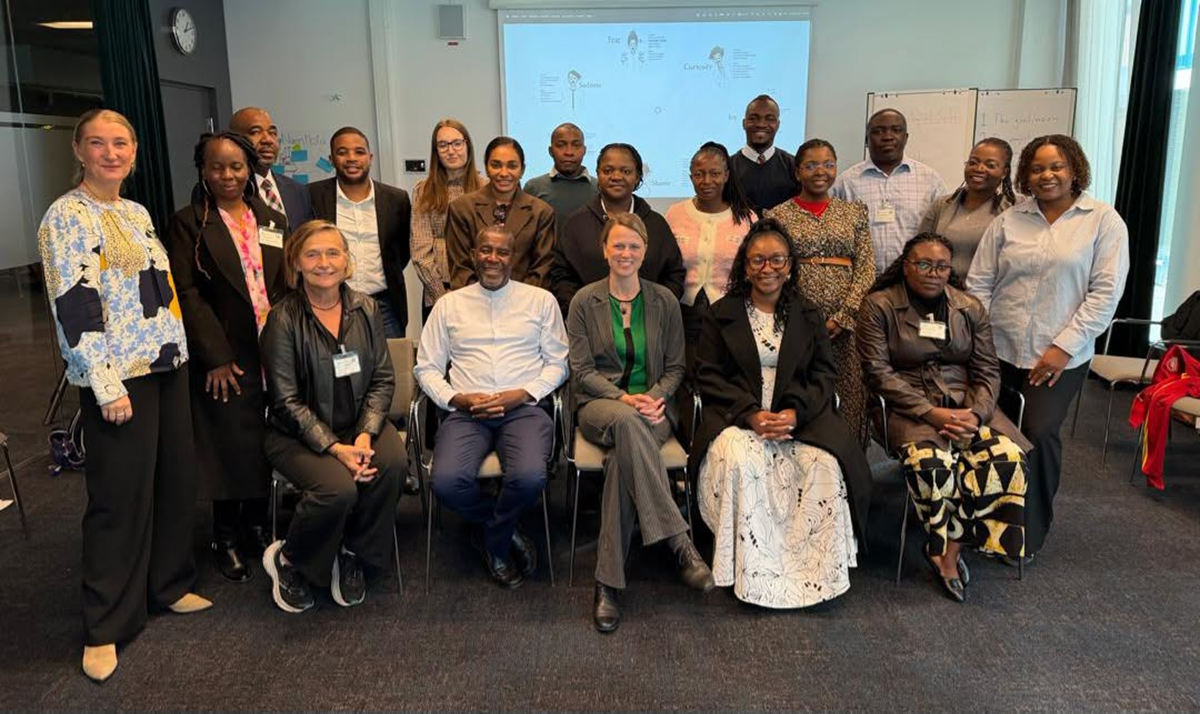
Beyond policy discussions, Zigomo made time to meet members of the Young People’s Network and the Zimbabwe Youth Council, reinforcing UNFPA’s belief that young people should help shape the programmes designed for them.
Discussions focused on mental health, adolescent pregnancy, sexual and reproductive health and rights, and creating safe, inclusive platforms where young people can contribute to national development.
She praised Zimbabwe’s efforts to equip young leaders with the knowledge and skills needed to champion SRHR, mental health and social accountability.
The conversations reflected a simple but important principle: sustainable health systems are built not only through stronger institutions, but by investing in the next generation of leaders and decision-makers.
More than a visit
As Zigomo concluded her mission, she reaffirmed UNFPA’s commitment to working alongside Zimbabwe to deliver integrated, people-centred and rights-based programmes.
“Zimbabwe continues to demonstrate strong leadership and commitment to the health, rights and well-being of women, girls and young people. UNFPA remains a steadfast partner in supporting national priorities that strengthen health systems, expand access to sexual and reproductive health services, and ensure that no one, especially the most vulnerable, is left behind,” she said.
In many respects, her visit was not defined by the number of meetings held or institutions visited. Its significance lay in what those engagements collectively revealed.
Zimbabwe is steadily reshaping its approach to women’s health through stronger domestic financing, resilient supply chains, regional cooperation and meaningful youth engagement. From the Family Planning Compact and improved commodity security to investments in young people and the fight against obstetric fistula, the country is demonstrating that sustainable progress in sexual and reproductive health depends not only on international partnerships, but also on national leadership and political commitment.
As countries across Africa search for ways to safeguard women’s health amid changing global financing realities, Zimbabwe’s experience offers more than a national success story. It provides a glimpse of what a more resilient, locally owned and sustainable future for reproductive health could look like.