
By Kuda Pembere
Zimbabwe’s progress in reducing maternal mortality must now be matched by stronger efforts to save newborns, with researchers in obstetrics and gynaecology challenged to move beyond scientific papers and produce evidence-based solutions that can be translated into health policies and practical interventions as the country works towards becoming an upper-middle-income society by 2030.
The country’s maternal mortality ratio declined from 651 deaths per 100,000 live births in 2015 to 212 in 2024, according to the 2023-24 Zimbabwe Demographic and Health Survey (ZDHS).
However, neonatal mortality remains a concern, with the ZDHS 2023-24 reporting an increase in the neonatal mortality rate from 29 deaths per 1,000 live births in 2015 to 37 in 2024.
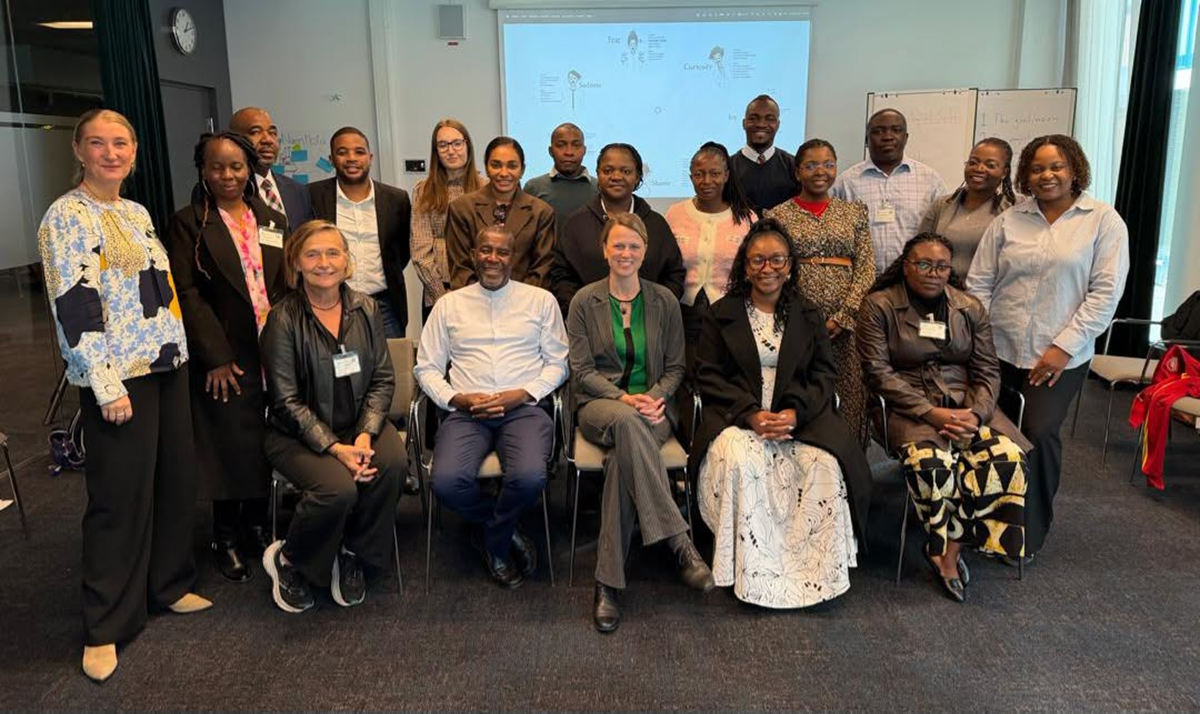
Health and Child Care Ministry Permanent Secretary Dr Aspect Maunganidze made the call on Thursday while officiating at a joint conference of the Zimbabwe Society of Obstetricians and Gynaecologists (ZSOG) and the East, Central and Southern African College of Obstetrics and Gynaecology (ECSACOG).
Dr Maunganidze said Zimbabwe’s ambition to attain upper-middle-income status by 2030 could not be achieved without addressing maternal and neonatal deaths.
“So this conference converges strongly with Zimbabwe’s national development agenda. Under Vision 2030, we seek to build an empowered and prosperous upper-middle-income society and that ambition requires a healthy population.
“We cannot speak meaningfully about prosperity while preventable maternal and neonatal deaths continue,” he said.
Dr Maunganidze challenged researchers to produce evidence that not only advances medical knowledge but also improves people’s livelihoods.
“The health of women and children is truly a national development imperative. The scientific community, therefore, has an important role to play in advancing our national priorities. Science must improve health but it must also improve livelihoods.
“One of the most important indicators that we have reached a certain stage as an upper-middle-income society is when an individual can testify that my life has improved. As research informs policy, innovation must strengthen our health services. Knowledge must improve the quality of life for ordinary people,” he said.
Dr Maunganidze urged delegates to ensure that research presented at the conference resulted in practical interventions that could be implemented in communities.
“So I challenge this conference to ensure that these deliberations produce practical, evidence-based and implementable solutions which will let our research respond to the realities of our communities,” he said.
He said the ultimate measure of progress in obstetrics and gynaecology should be reflected in fewer maternal and neonatal deaths.
“So we have discussed the challenges leading to high maternal and infant mortality for many years. And there’s a lot of evidence in various conferences and scientific papers. And I can see in the room that we have the expertise,” Dr Maunganidze said.
“So what is left is to act on what we already know. So the time for accelerated implementation is now.