
By Michael Gwarisa
RIO DE JANEIRO, Brazil – Zimbabwe is testing an innovative public-private partnership that could transform HIV prevention by integrating community pharmacies into the delivery of pre-exposure prophylaxis (PrEP), including long-acting lenacapavir, as the country seeks to make HIV prevention services more accessible and convenient for communities.
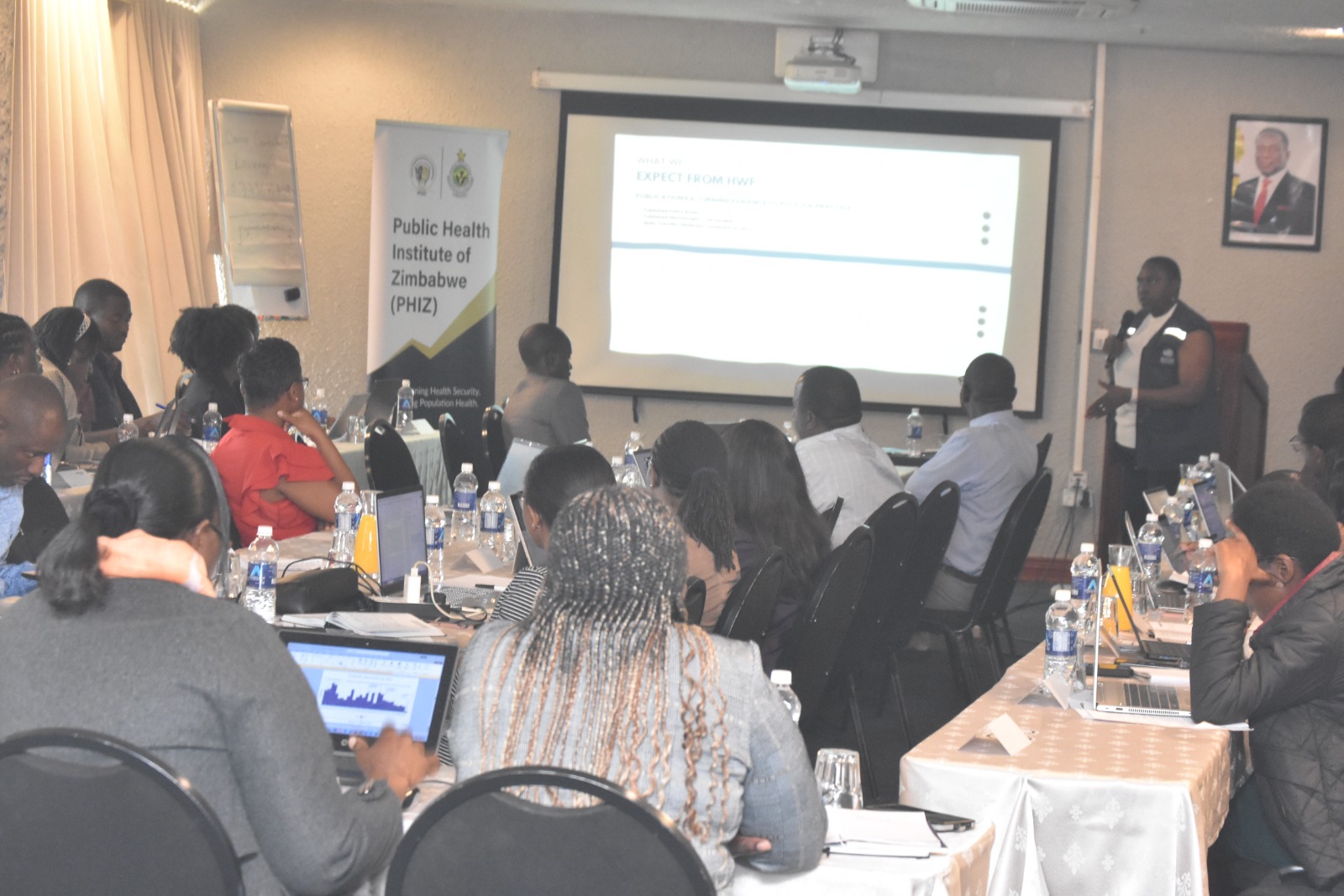
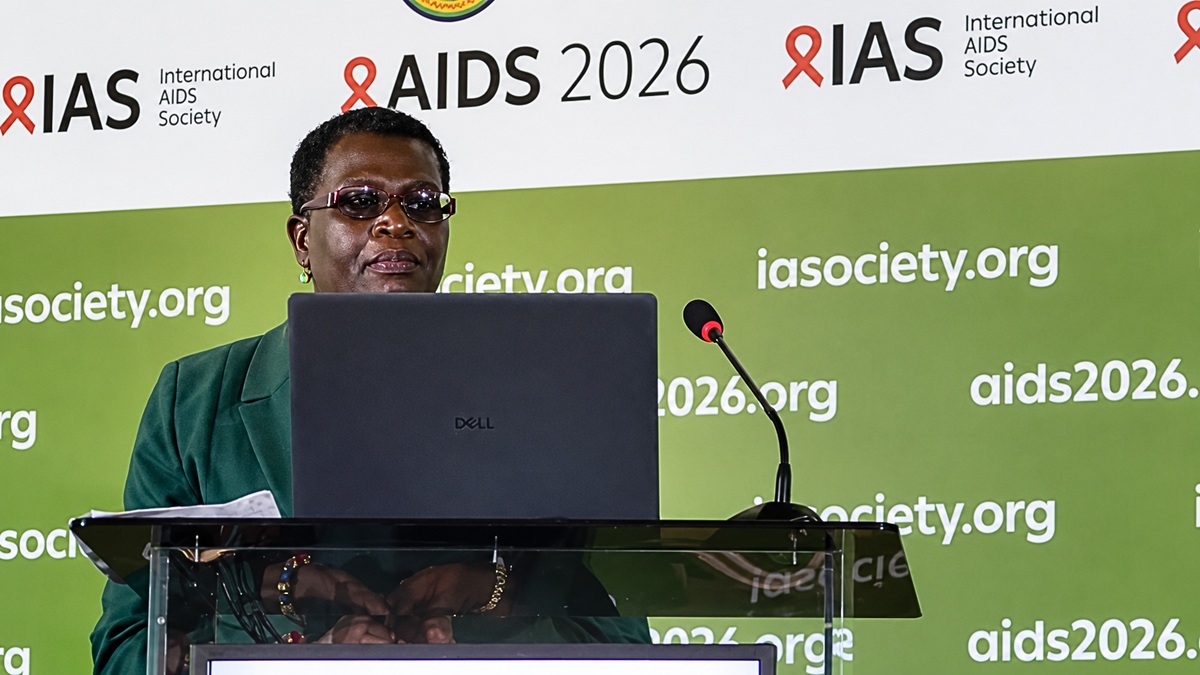
Presenting the initiative at the 26th International AIDS Conference (AIDS 2026) in Rio de Janeiro, Getrude Ncube, National HIV Prevention Coordinator in the Ministry of Health and Child Care, said the model is designed to complement facility-based services by bringing HIV prevention closer to where people live.
“We’re working to bring PrEP closer to the people who need it, not just through clinics, but through the community pharmacies people already trust and visit,” said Ncube.
She said the initiative reflects a collaborative public-private partnership involving the Ministry of Health and Child Care, pharmacy regulators, supply chain partners and implementing organisations working together to strengthen Zimbabwe’s HIV prevention programme.
Zimbabwe has made significant progress in controlling its HIV epidemic. According to figures presented by Ncube, the country recorded 14,987 new HIV infections in 2024 compared to 16,723 AIDS-related deaths, reflecting an 82 percent reduction in adult AIDS deaths and a 78 percent decline in new HIV infections between 2020 and 2025.
Despite this progress, prevention gaps remain. Women account for 60 percent of new HIV infections, while adolescent girls and young women aged 15 to 19 acquire HIV at seven times the rate of their male peers. In addition, just 15 of Zimbabwe’s 63 districts accounted for more than half of all new HIV infections recorded in 2024.
“Accessible, low stigma channels like community pharmacies are central to closing the remaining gaps in prevention,” Ncube said.
She noted that community pharmacies offer a convenient, confidential and less medicalised environment than many health facilities, making them particularly attractive for young people and key populations who may be discouraged by stigma or long waiting times.
Zimbabwe is building evidence for this approach through three complementary initiatives.
The first, the TOPAZ study, demonstrated the feasibility and acceptability of pharmacy-based oral PrEP refills among female sex workers in Harare between March 2024 and May 2025. Participants were given the option of collecting oral PrEP from either health facilities or participating community pharmacies.
According to results presented at the conference, 43 percent of participants collecting PrEP through pharmacies remained on treatment after 12 months, compared with no continuation beyond three months among participants receiving the standard clinic-based service.
The study also found that flexible opening hours and trusted relationships between pharmacists and clients contributed to improved continuation rates. Lessons from the pilot included the need to train multiple pharmacy staff members at each outlet and to review dispensing fees to reflect the additional time required for HIV testing and counselling.
Building on those findings, Zimbabwe is developing PHASE-Z, an implementation study that will evaluate the delivery of oral PrEP and long-acting PrEP, including lenacapavir, through community pharmacies.
Ncube said the project is currently at protocol stage and will recruit 20 community pharmacies across five districts: Harare, Bulawayo, Mutare, Gweru and Masvingo.
The study will generate real-world evidence on how pharmacy-based PrEP services can be integrated into Zimbabwe’s health system, including pharmacist training, HIV risk screening, PrEP initiation, monitoring and reporting. The findings are expected to inform future policy and regulatory decisions on expanding the role of pharmacists in HIV prevention.
Expected outcomes include integrated pharmacy-based delivery of oral PrEP and long-acting PrEP, including lenacapavir, strengthened regulatory frameworks to support pharmacists’ expanded scope of practice, diversified financing for HIV prevention services and the use of digital innovations, including a targeted chatbot, to increase PrEP awareness and uptake among priority populations.
Alongside PHASE-Z, the Ministry of Health and Child Care, in collaboration with the Clinton Health Access Initiative and NatPharm, is implementing the HIVST-PoC initiative, which is piloting a public-private supply chain for WHO-prequalified HIV self-testing kits. The model is designed to strengthen pharmacy-based HIV prevention services by ensuring a reliable, quality-assured supply chain while reducing dependence on unregulated imports.
Ncube said the combined initiatives represent Zimbabwe’s progression from demonstrating that pharmacy-based HIV prevention works to generating the evidence and systems needed to support wider implementation.
“TOPAZ has already shown us what’s possible. Now PHASE-Z and HIVST-PoC are building the evidence and infrastructure to turn that promise into national policy,” she said.