
By Kuda Pembere
At a time when Zimbabwe lacks a stand-alone legal framework governing comprehensive menstrual health management, Government says it is considering developing one that could eventually become an Act of Parliament.
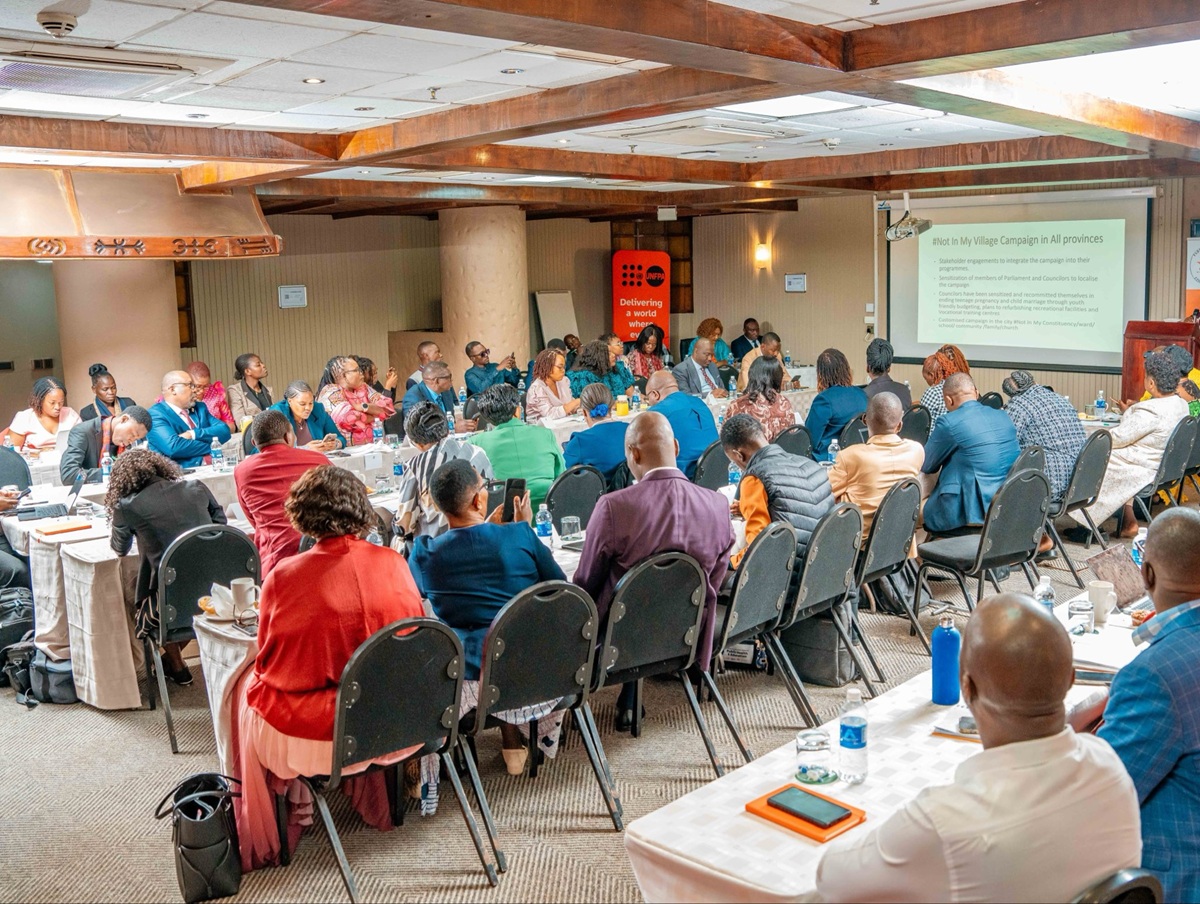
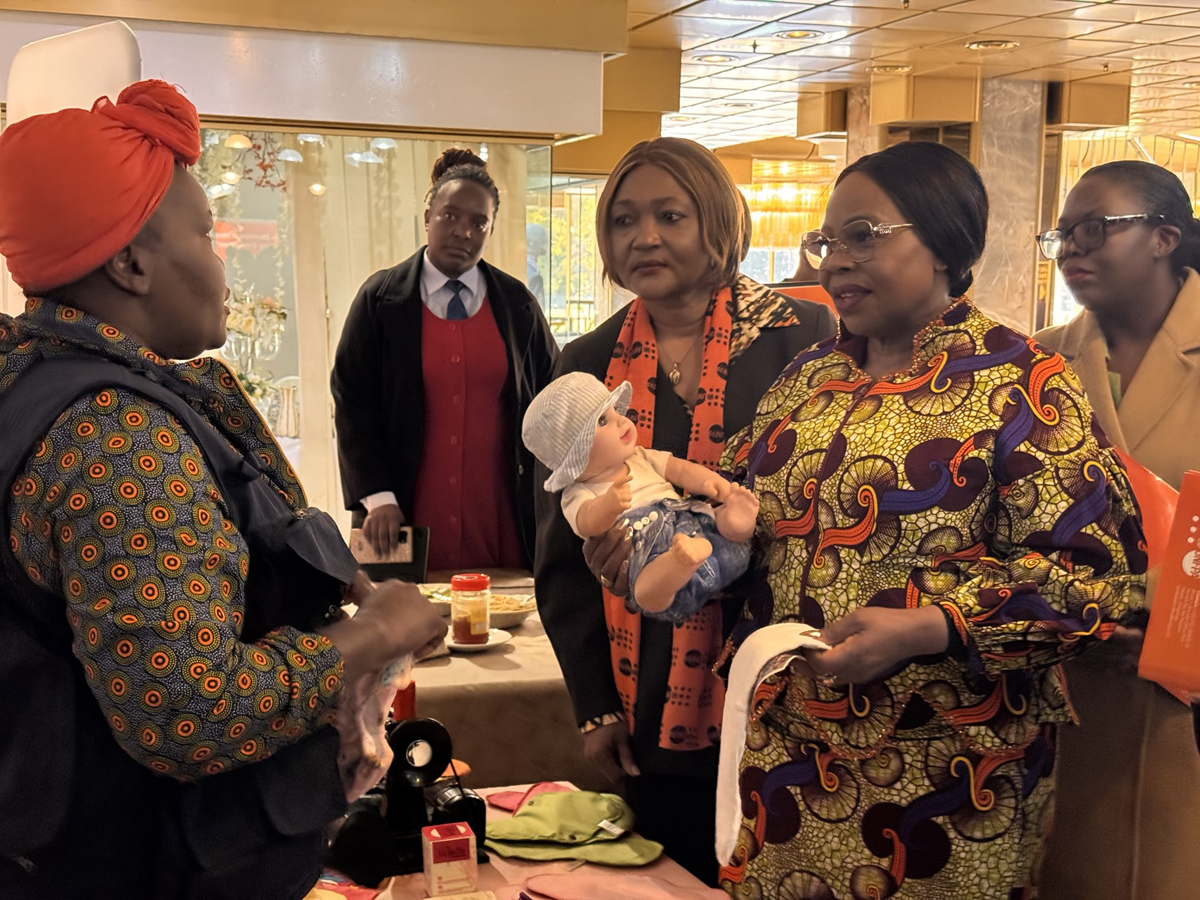
Minister of Women Affairs, Community, Small and Medium Enterprises Development Senator Monica Mutsvangwa made the announcement while officially opening Zimbabwe’s inaugural Menstrual Health Symposium on Wednesday.
“So the formulation of a comprehensive menstrual health management policy, or framework, represents the critical next phase of our agenda.
“And situated within the Ministry of Women Affairs, Community, Small and Medium Enterprises Development, this framework will serve to consolidate all our gains and orchestrate a cohesive, unified approach among all our stakeholders,” Minister Mutsvangwa said.
“We are steadfast in our resolve to eventually nurture this framework into a fully-fledged Act of Parliament, ensuring that menstrual health and hygiene in Zimbabwe are safeguarded by the force of law.”
Held under the theme Advancing Standards, Policy Reform and Market Development for Affordable Menstrual Products, the two-day symposium is the first of its kind in Zimbabwe. It seeks to strengthen standards for menstrual products, promote policy reforms and support local manufacturing to improve affordability and accessibility.
Minister Mutsvangwa said Government had already taken significant steps to improve access to menstrual products by removing Value Added Tax and import duties through Statutory Instrument 4 of 2020 and committing to provide sanitary products in schools, particularly for vulnerable learners and those in rural communities.
Despite these interventions, she said many girls and women still lacked access to affordable sanitary products.
The shortage, she said, forces many to rely on unsafe alternatives such as cloth, tissue paper and other improvised materials, exposing them to infections, discomfort and indignity. Period poverty also continues to affect girls’ school attendance and academic performance while limiting women’s participation in work, trade and other income-generating activities.
To address these challenges, the ministry has been training women and girls to manufacture reusable sanitary pads using safe, standardised materials. It has also been rolling out menstrual health education programmes targeting girls, boys, women and men to help break the stigma surrounding menstruation.
United Nations Population Fund (UNFPA) Representative to Zimbabwe Miranda Tabifor said Zimbabwe still faced a significant legislative gap in menstrual health management.
“Allow me, when we met not long ago, I just mentioned to you that Zimbabwe, with all the good things that we are doing under the leadership of Government, does not have this very important legislation,” she said.
“And Minister, are you committed to ensuring that it happens? I asked whether you were going to announce that gift during the symposium, that by the end of this year this Government is going to have a menstrual health management Act.
“So today, what we are confronted with is this critical legislation gap. I want to commend the Members of Parliament who are working tirelessly to ensure that this becomes a reality.”
Tabifor said Zimbabwe urgently needed dedicated legislation to protect and advance menstrual health.
“Zimbabwe must have a dedicated comprehensive menstrual health management Act. Without that, many of our efforts will continue to face barriers and we will not be able to accelerate implementation in its entirety.
“So, on behalf of UNFPA, I want to make an unequivocal commitment to you, Honourable Minister, members of Government, Members of Parliament, civil society organisations and our UN sister agencies that we will continue supporting this agenda because menstrual health cuts across all our areas of work.”
She described menstrual health as a human rights, public health and economic development issue, warning that failure to address it undermined progress towards the Sustainable Development Goals on health, education and gender equality.
Tabifor said grassroots assessments conducted in districts such as Mutoko showed that 15 out of every 20 girls regularly missed school during menstruation because they lacked access to adequate sanitary products, resulting in the loss of up to a quarter of the academic year.
“We cannot achieve our vision if half of the population is held back by a natural biological process,” she said.
Zimbabwe National Family Planning Council chief executive officer Mr Farai Machinga called for dedicated budget allocations to support menstrual health programmes, saying affordability remained one of the biggest barriers facing women and girls.
He said an individual required an estimated US$23 annually to adequately meet menstrual hygiene needs, placing sanitary products beyond the reach of many vulnerable households.
Mr Machinga said menstrual dignity extended beyond sanitary products to include access to clean water, sanitation facilities, soap and appropriate disposal systems.