By Michael Gwarisa in Mutare
An estimated 85 percent of coverage is targeted by the Mass Drug Administration (MDA) for Schistosomiasis (Bilharzia) and Soil-transmitted helminthiases (Intestinal Worms) underway in Manicaland province.
The MDA which has kicked off in several districts across the country is running from 14 to 21 October 2024 and is targeting children aged 2 to 14 years in selected areas.
Data from a 2021 Neglected Tropical Diseases (NTDs) Community-Based Mapping exercise conducted by the Ministry of Health and Child Care (MoHCC) shows that approximately 252 wards in Manicaland had an endemicity of both Schistosomiasis and Soil-transmitted helminthiases. Of those 252 wards, 162 wards had co-endemicity of the two diseases and 182 wards had schistosomiasis.
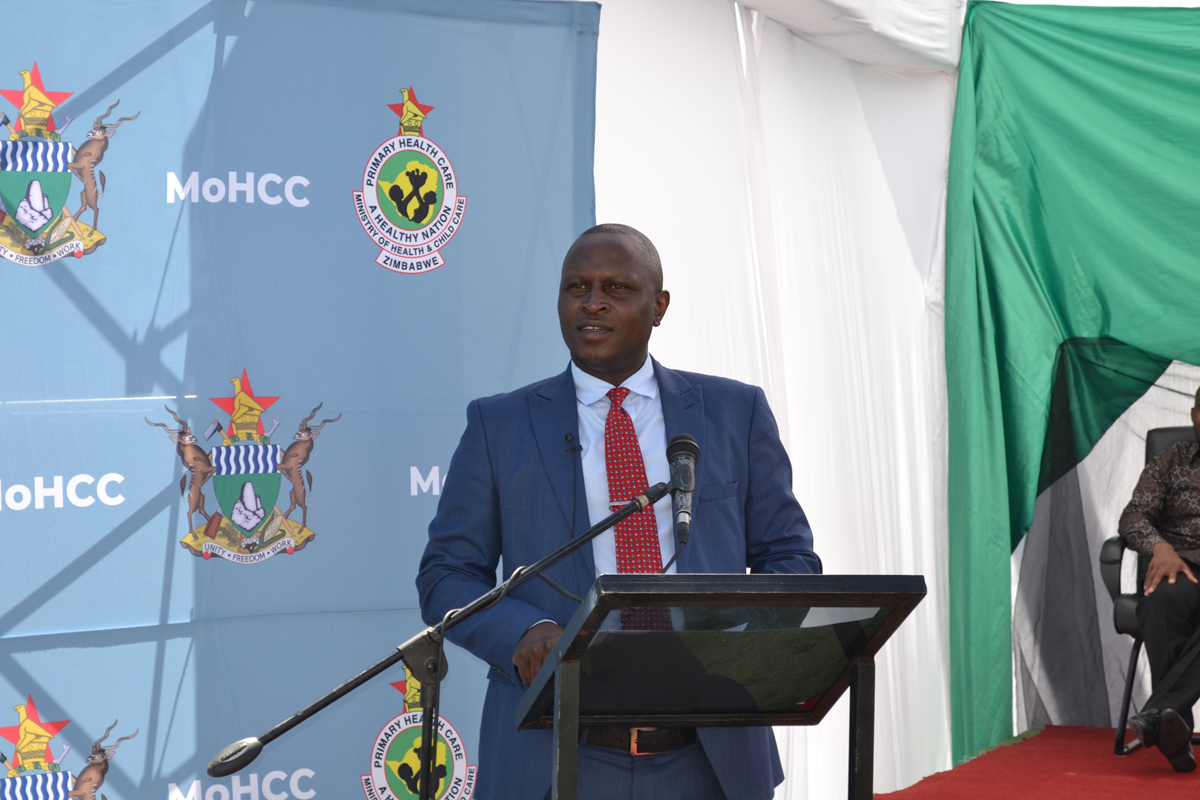
Briefing the media following a media visit to some of the sites where MDA is underway, Dr Cephas Fonte from the Manicaland Province Medical directorate said they were optimistic about reaching all the targeted populations.
Generally, when we are doing any response, our target coverage is usually 100%, but we know that it will be difficult for a variety of reasons to reach it. So we’re really looking that we’ll go on average around above 85%,” said Dr Fonte.
Since more than 250 wards are affected by the diseases, the MDA program according to Fonte will target the entire Manicalans province and its seven districts. Data from the community-based mapping also shows that Mutare both the rural and urban districts was the most affected, followed by Makoni, Chipinge, Buhera and Chimanimani had the lowest.
“For Schistosomiasis, which causes bilharzia, the one we are giving praziquantel for, we are targeting the 5 to 15-year-olds, and the population we have is about 654,865 children. Then for the worm infestation, that is the soil-transmitted helminthiases, we are covering about 551,698 children.”
The last MDA in Manicaland province was carried out in 2022. Back then, MDA would involve giving blanket coverage of the mass drug administration where everyone was involved and it was just comprehensive and holistic. However, new World Health Organisation (WHO) guidelines after the community-based mapping require a more targeted approach where groups at high risk are prioritised during Mass Drug Administration for the NTDs.
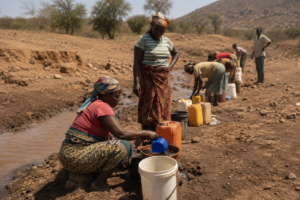
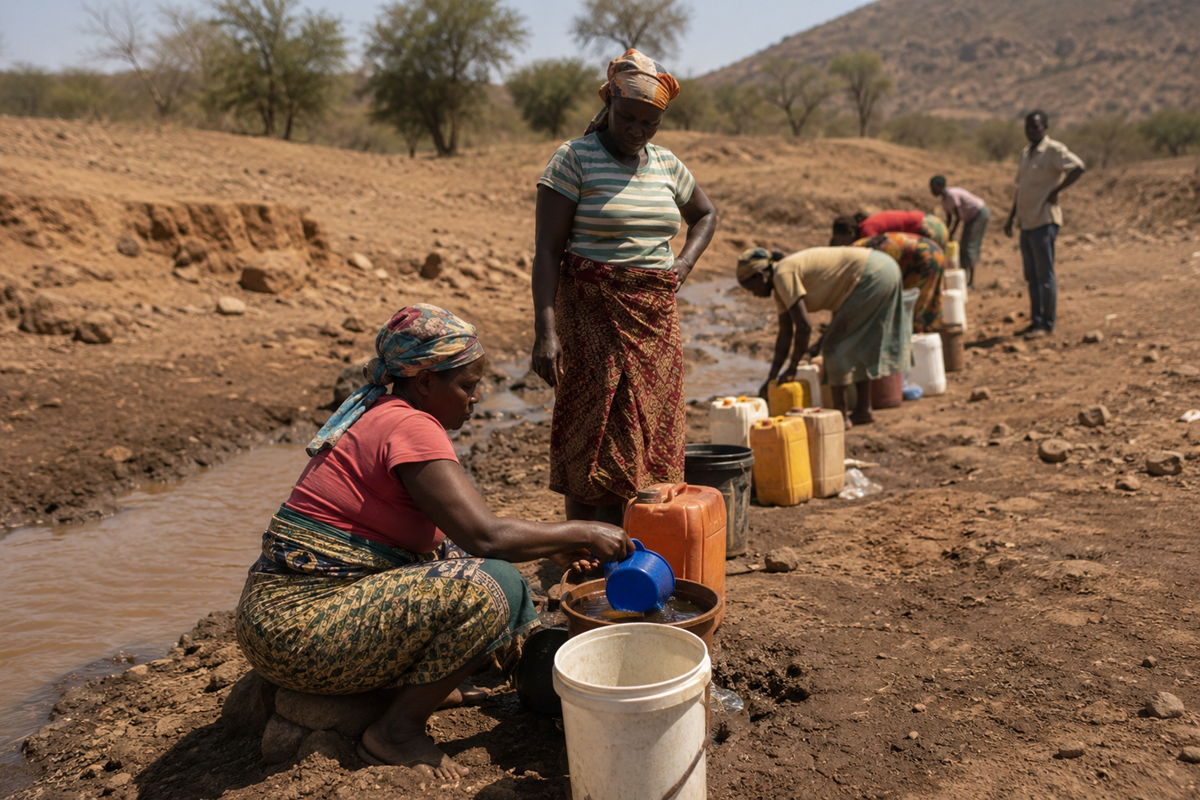
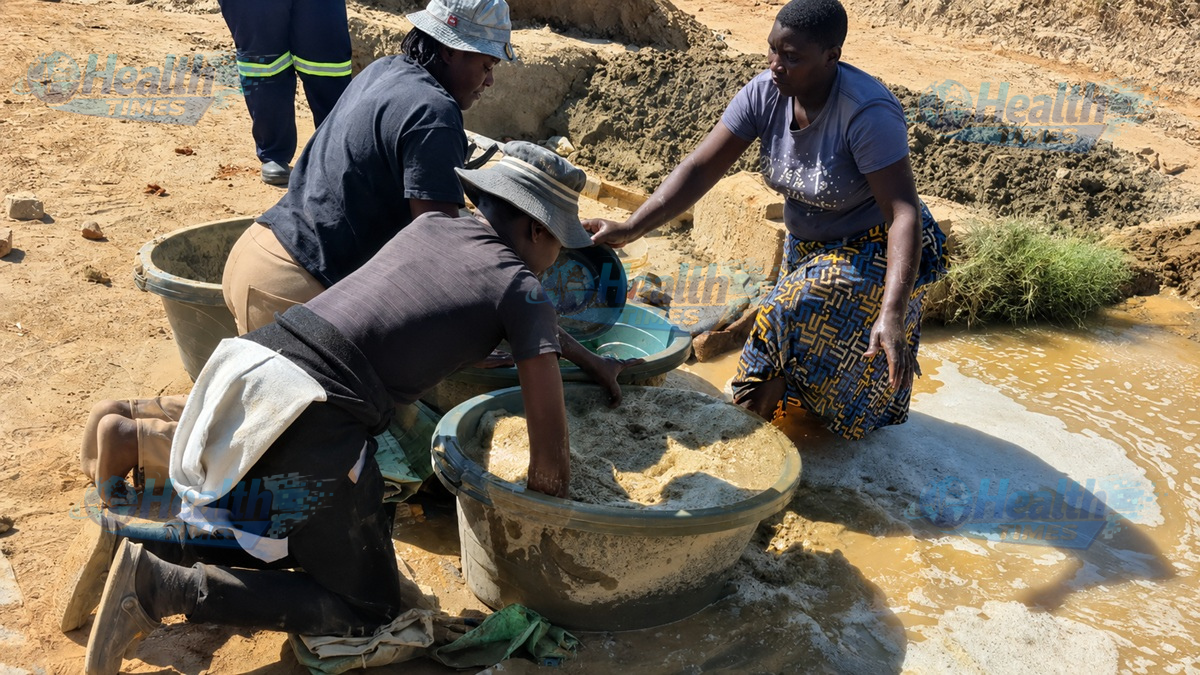
The major risk factors for Schistosomiasis (Bilharzia) and Soil-transmitted helminthiases include mostly improper hygiene, and coming into contact with contaminated water among others. The MDA program is being implemented through technical and financial support from the World Health Organization (WHO) and the Higher Life Foundation.
In Nyanga District, at least 23 wards have a high burden of Bilharzia while eight wards have a high incidence and prevalence of Soil-transmitted helminthiases.
Dr Majoni Muungani, the District Medical Officer for Nyanga district said they are targeting 26, 258 children for Schistosoma treatment and 8,634 for the soil-transmitted heilmithaeses.
“Nyanga District is one of the seven districts in Manicaland and we have a high prevalence of Soil Transmitted helminthiases. In terms of the MDA, for Schistosomiasis, we are targeting all 23 wards with a high prevalence. For soil-transmitted heilmenthis, we are targeting seven wards. These seven wards are also part of the 23 wards,” said Dr Muungani.
Meanwhile, communities in Manicaland have welcomed the MDA program.
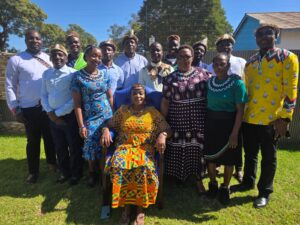
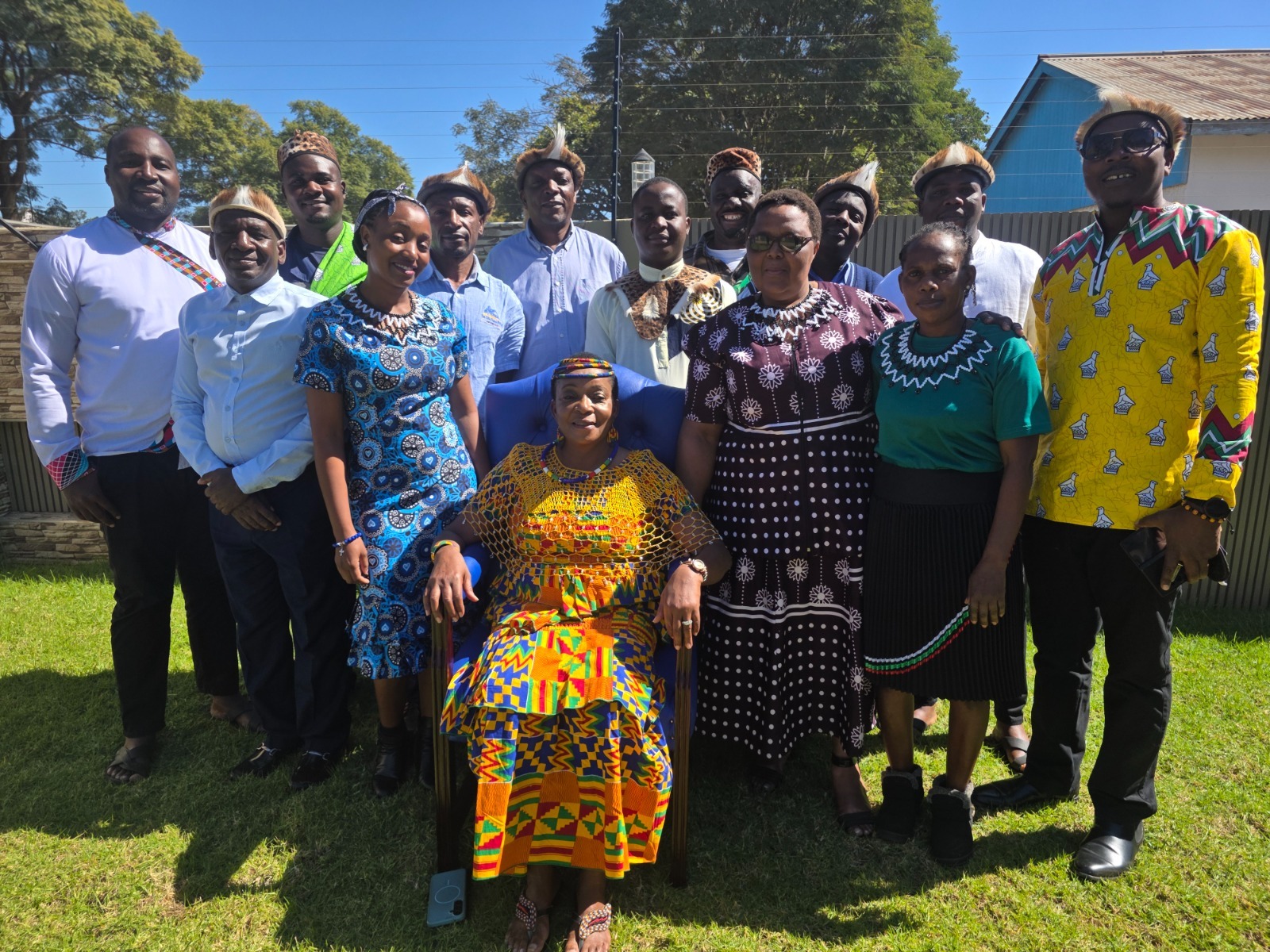
Gogo Selina Dozva from Nyanga said, “…this is a very welcome development. Our children are at risk. They play in contaminated water and risk getting Bilharzia and also our environment is not free from diseases-causing organisms. We welcome this program.”