Kuda Pembere
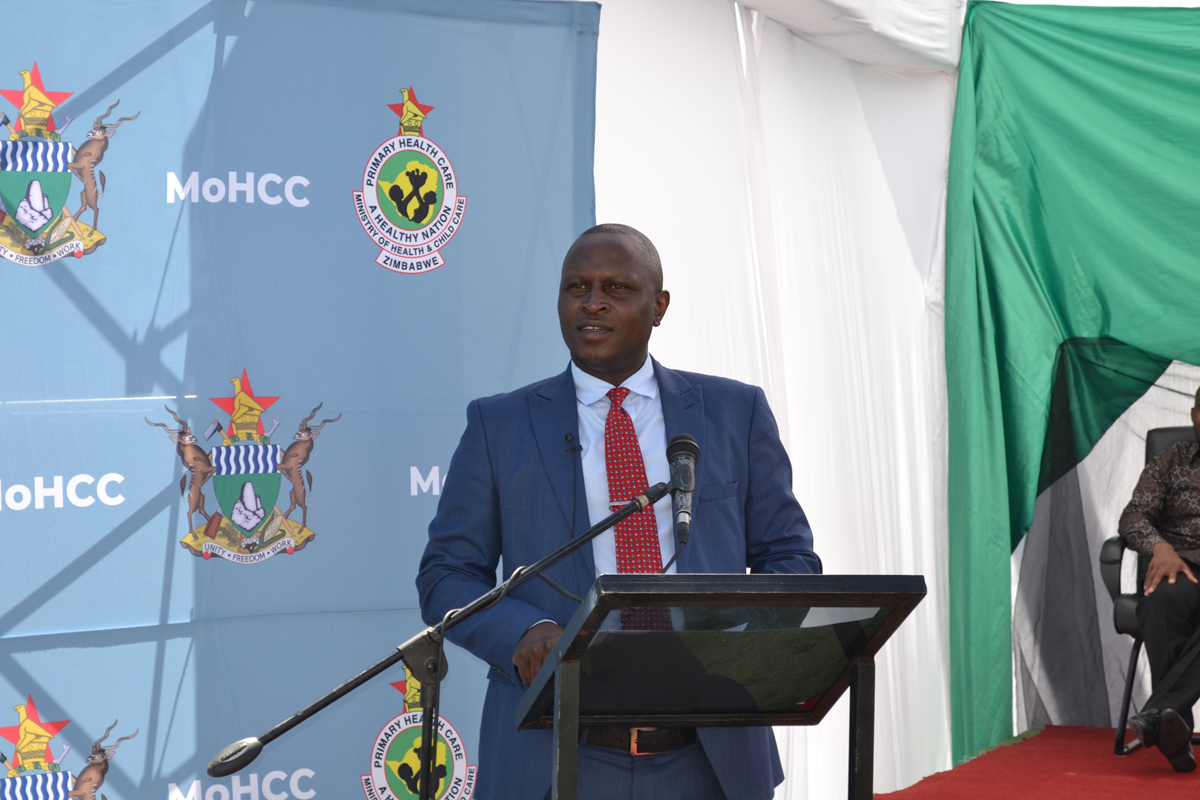
Zimbabwe’s goal of becoming an upper middle-income economy by 2030 cannot be achieved if citizens are not properly nourished, Deputy Chief Secretary for Social Services in the Office of the President and Cabinet, Reverend Paul Damasane, has said.
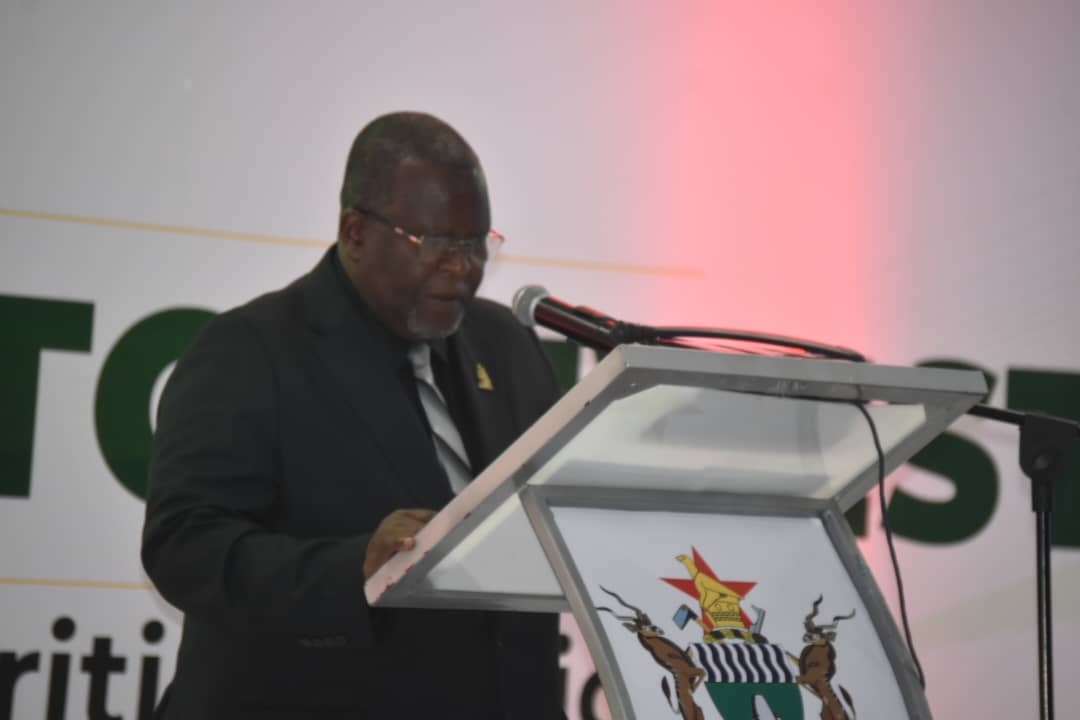
Rev Damasane made the remarks on Thursday while officiating at a high-level Nutrition Advocacy Meeting in Harare held under the theme: “From Commitment to Investment, Advancing Multisectoral Nutrition Action for Human Capital.”
Highlighting the importance of nutrition in national development, Rev Damasane said Government had prioritised the issue under the National Development Strategy 2 (NDS2).
“Nutrition is central to the National Development Strategy 2 and Vision 2030, which seek to build an empowered upper-middle-income society. Without well-nourished citizens, these aspirations cannot and will not be realised,” he said.
He stressed the need for a collective national approach towards addressing nutrition challenges.
“Ladies and gentlemen, as we advance our national nutrition agenda, let us embrace a whole-of-government and whole-of-society approach. Nutrition is not the responsibility of one ministry alone. It requires the collective effort of health, agriculture, education, finance, social protection, water and sanitation, local government and beyond,” Rev Damasane said.
“Every policy decision, whether in food systems, education or economic planning, has a direct impact on the health and productivity of our people. By mainstreaming nutrition into all national strategies, we ensure that Vision 2030 is not pursued in silos but powered by coordinated action across government. This approach transforms nutrition from a sectoral concern into a national development priority, where every ministry is accountable for results and every Zimbabwean benefits from improved outcomes.”
Rev Damasane added that all sectors had a role to play in improving nutrition outcomes.
“Nutrition, therefore, is a shared responsibility. Agriculture must produce diverse foods. Education must integrate nutrition literacy. Finance must allocate resources. Put in simple English, they must put their money where their mouth is. Health must deliver essential services and the private sector must innovate for affordable solutions,” he said.
UNICEF Zimbabwe representative Etona Ekole said malnutrition continued to negatively affect children and the country’s broader development goals.
“Let’s take stunting, which affects 27 percent of children under five. Micronutrient deficiencies remain widespread, including anaemia, which affects about 54 percent of children. At the same time, Zimbabwe is also facing a growing burden of overweight and obesity,” she said.
“Together, these forms of malnutrition undermine human capital development, as we have already heard from Reverend Damasane. They reduce productivity, increase pressure on the health system and slow economic growth. Simply put, when nutrition suffers, development suffers.”
She added: “But the reverse is also true. When nutrition improves, children learn better, communities become more resilient, productivity rises and economies grow stronger.”
Food and Nutrition Council (FNC) Director General Dr George Kembo said Zimbabwe had, however, recorded significant improvements in food security levels.
“In terms of food security, our situation is improving. We have managed to reduce food insecurity from 56.8 percent, which we rounded up to 57 percent, to about 15.2 percent, and we are happy,” he said while presenting some highlights of the 2025 Zimbabwe Livelihood Assessment Committee (ZIMLAC) survey.