Michael Gwarisa
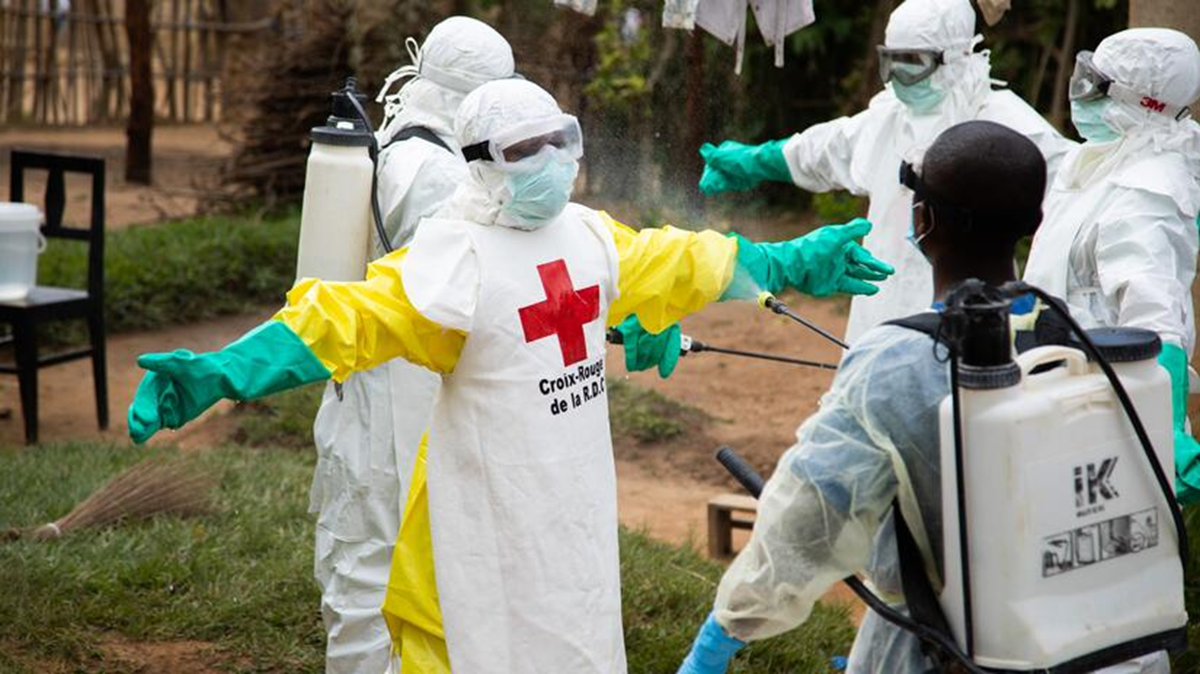
African health leaders have pushed back against recent travel restrictions imposed by the United States in response to the ongoing Ebola outbreak in parts of Africa, warning that such measures may undermine coordinated outbreak control efforts and weaken global solidarity.
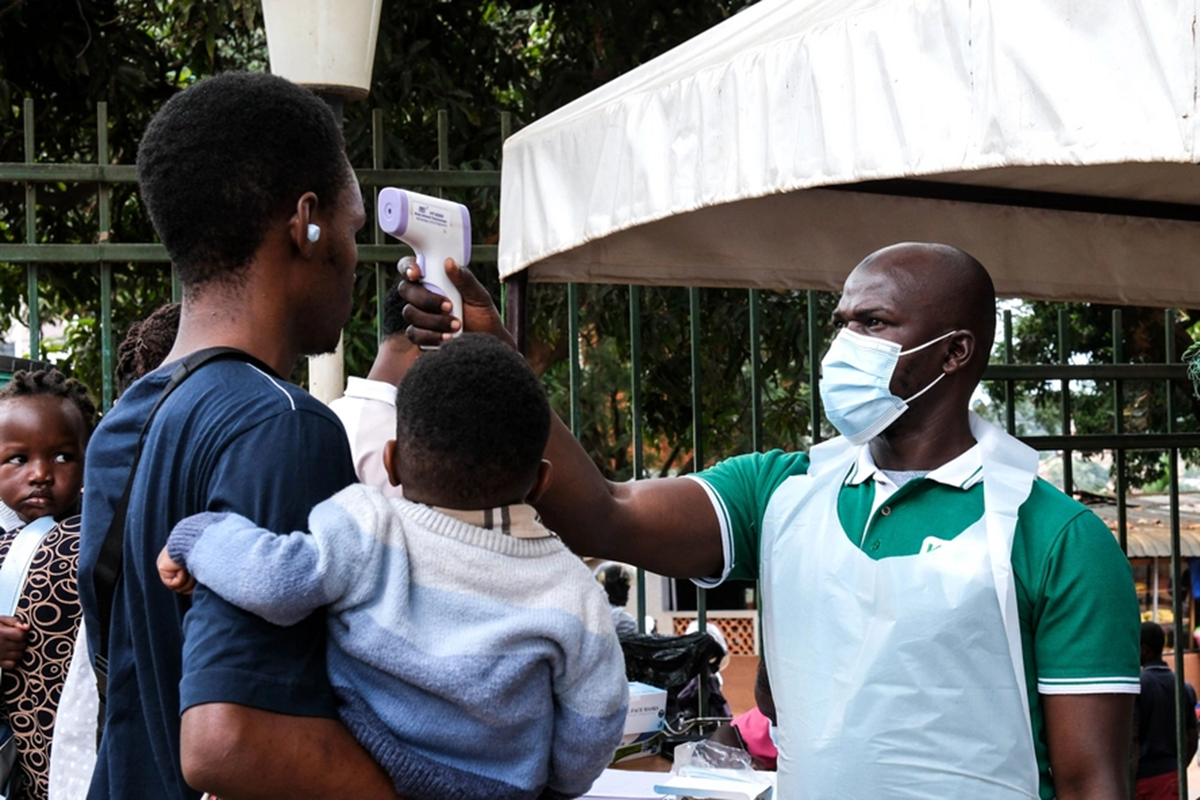
The U.S. recently issued a Level 4 “Do Not Travel” advisory for the Democratic Republic of Congo (DRC) and introduced entry restrictions affecting non-U.S. passport holders who have recently travelled to the DRC, Uganda, and South Sudan. While acknowledging the sovereign right of countries to protect their populations, Africa Centres for Disease Control (Africa CDC) says broad travel bans risk undermining evidence-based public health responses.
Africa CDC says its engagement with international partners, including the United States Government, has consistently emphasised the need for a rebalanced global health partnership rooted in sovereignty, shared responsibility, and sustainability. In March 2025, the agency held high-level talks with U.S. officials at the Department of State, advocating for a model where African countries take increasing ownership of domestic health financing while external partners shift toward direct support for national systems.
At a ministerial meeting held in Geneva on 17 May 2026, African health ministers reinforced this position, agreeing that future global health negotiations should be coordinated through a unified “Team Africa” approach led by Africa CDC to ensure coherence and continental solidarity.
“The fastest path to protecting all countries in the world is to aggressively support outbreak control at the source,” said Dr Jean Kaseya, Director-General of Africa CDC in a statement. “Global health security cannot be achieved through borders alone. It is achieved through partnership, trust, science, and rapid investment in preparedness and response capacity.”
Africa CDC says it acted swiftly when the current Ebola outbreak was confirmed, formally declaring it on 15 May 2026 and immediately coordinating surveillance and response efforts across affected and at-risk countries. Since then, the agency has maintained continuous communication with member states, international partners, and the media.
The agency is also raising concerns over what it describes as the growing reliance on travel restrictions as a primary response tool during outbreaks, arguing that such measures often have limited public health benefit while creating economic and humanitarian disruptions. Instead, Africa CDC is urging responses guided by science, proportionality, transparency, and the International Health Regulations.
Through his official X account, AMREF Africa Chief Executive Officer, Dr Githinji Gitahi called out the travel ban as unnecessary.
“Travel bans don’t stop viruses, they stop solidarity. The fastest way to protect everyone is to invest in outbreak control at the source, not isolate the affected. Africa needs partnership, not punishment. No one is safe until Africa is safe,” said Dr Gitahi.
A central concern raised by African health leaders is the long-standing gap in medical countermeasures for Ebola strains such as Bundibugyo ebolavirus, which was identified nearly two decades ago but still lacks licensed vaccines or specific therapeutics. African policymakers argue this reflects persistent inequities in global health research priorities.
They point to previous outbreaks, including the West African Ebola crisis, where experimental treatments gained rapid attention only after high-profile infections in wealthier countries, while thousands of African lives had already been lost.