Michael Gwarisa
Zimbabwe has begun screening travellers for Ebola at ports of entry and activated its Public Health Emergency Operations Centre at Parirenyatwa Group of Hospitals as the country intensifies preparedness measures against the deadly outbreak currently affecting the Democratic Republic of Congo (DRC) and Uganda.
The government has also requested laboratory reagents from the Africa Centres for Disease Control and Prevention to strengthen the country’s Ebola testing capacity amid growing regional concern over possible cross-border transmission.
The move comes after the Africa Centres for Disease Control and Prevention placed Zimbabwe among countries considered at high risk of Ebola spillover due to regional population movement and trade links. Zambia, which borders Zimbabwe and lies along major transit corridors from the DRC, was also added to the risk list alongside South Sudan, Rwanda, Kenya, Tanzania, Ethiopia, Angola, Burundi, the Central African Republic and Congo.
The current outbreak, linked to the Bundibugyo strain of Ebola virus disease, is centred in Ituri Province in the DRC, where hundreds of suspected infections and dozens of deaths have already been recorded. Uganda has also confirmed imported cases linked to the outbreak.
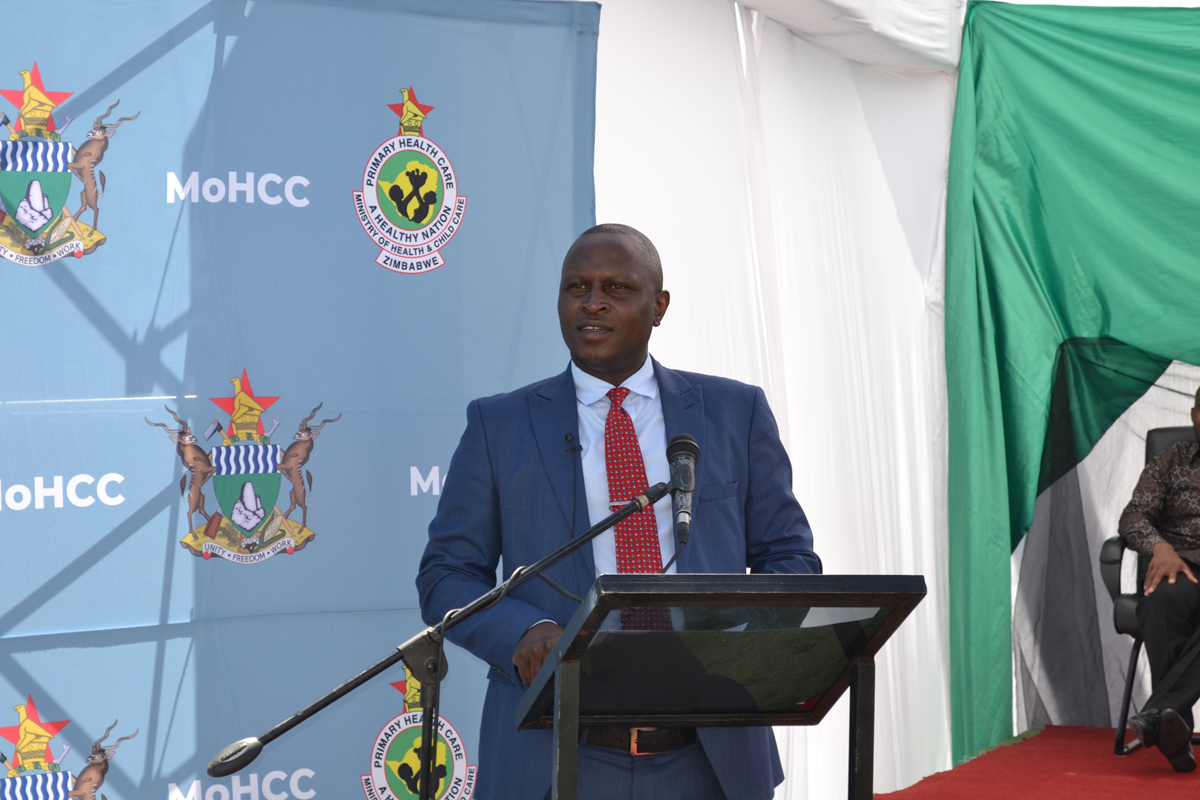
Briefing Cabinet this week, Health and Child Care Minister, Dr Douglas Mombeshora said Zimbabwe had not recorded any Ebola cases so far, but authorities were acting proactively due to the country’s proximity to affected regions and the movement of travellers across borders.
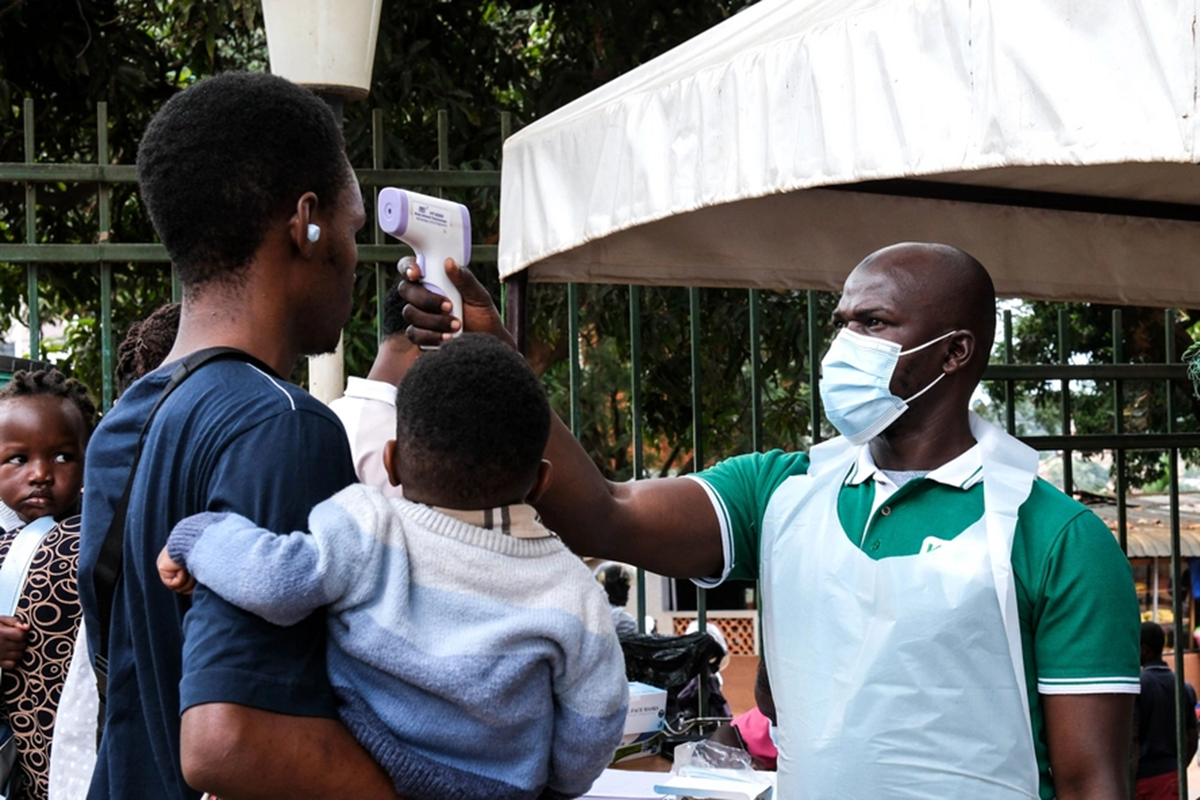
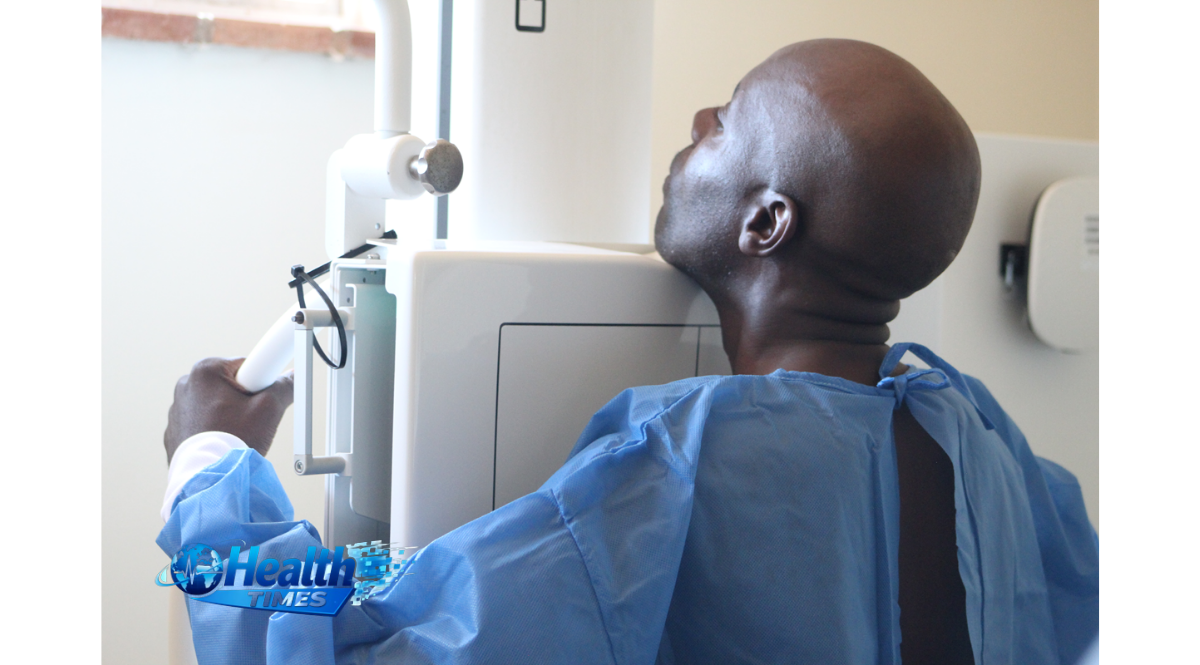
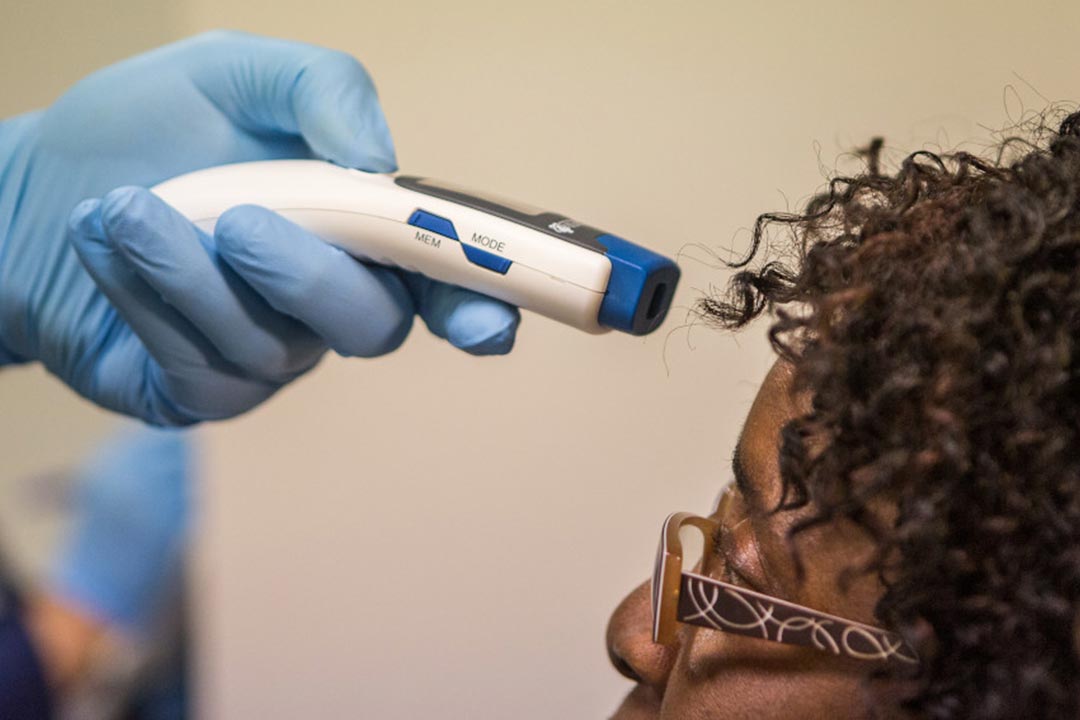
He said health personnel stationed at ports of entry had already started screening travellers arriving by road and air, with temperature checks forming part of the initial detection measures.
Dr Mombeshora said government had also activated the Public Health Emergency Operations Centre at Parirenyatwa to coordinate preparedness activities, train health workers and roll out public awareness campaigns on Ebola symptoms and prevention.
He warned that Ebola initially presents with flu-like symptoms, including fever and weakness, before progressing to severe complications such as vomiting, bleeding and internal haemorrhaging.
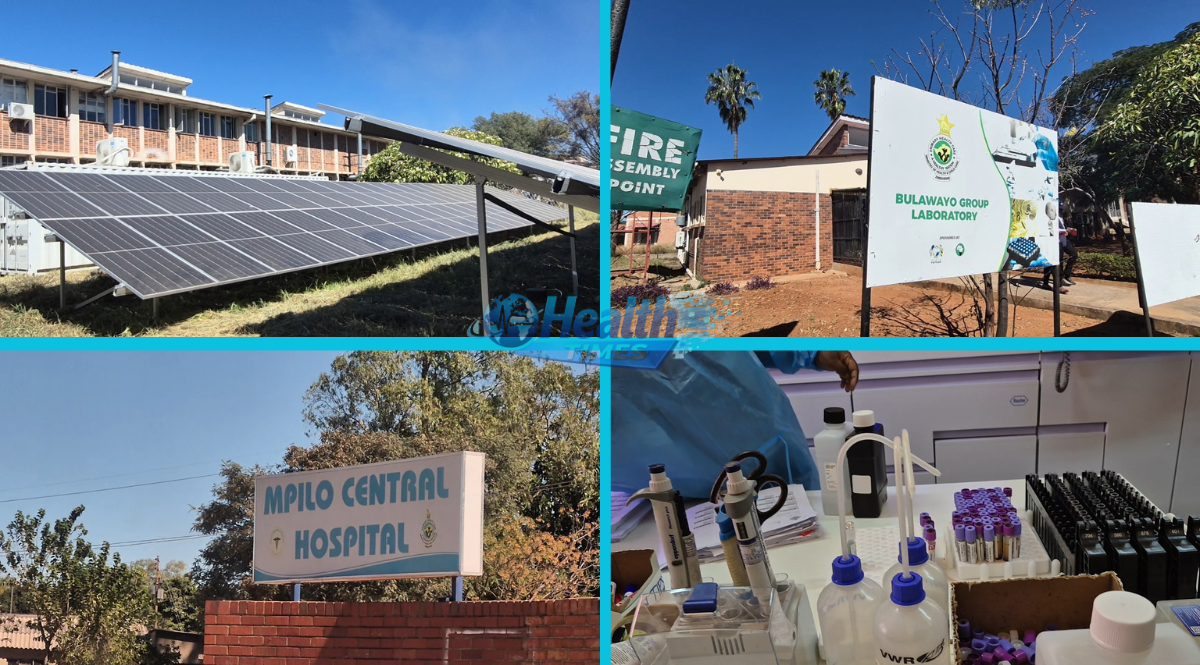
Zimbabwe is also strengthening laboratory systems in preparation for possible cases. Dr Mombeshora said South Africa would serve as a regional reference laboratory while the Africa Centres for Disease Control and Prevention assists with specimen transportation.
“We have applied to Africa CDC for reagents to test for the Ebola virus and they have agreed to support us so that we are fully prepared for any eventuality,” he said.
He added that authorities would also work with traditional leaders and communities to intensify awareness campaigns and improve early detection.
On May 15, the Africa Centres for Disease Control and Prevention and the World Health Organization declared the outbreak in the DRC and Uganda a Public Health Emergency of Continental Security and a Public Health Emergency of International Concern respectively.
As of May 22, the DRC had recorded 745 suspected cases, 83 confirmed infections and multiple deaths linked to the outbreak, while Uganda had confirmed two cases and one death.
However, response efforts continue to face major operational challenges.
Speaking during a recent media briefing, Africa CDC Director General, Dr Jean Kaseya said a four-week detection gap allowed silent transmission within communities and among healthcare workers before the outbreak was officially confirmed.
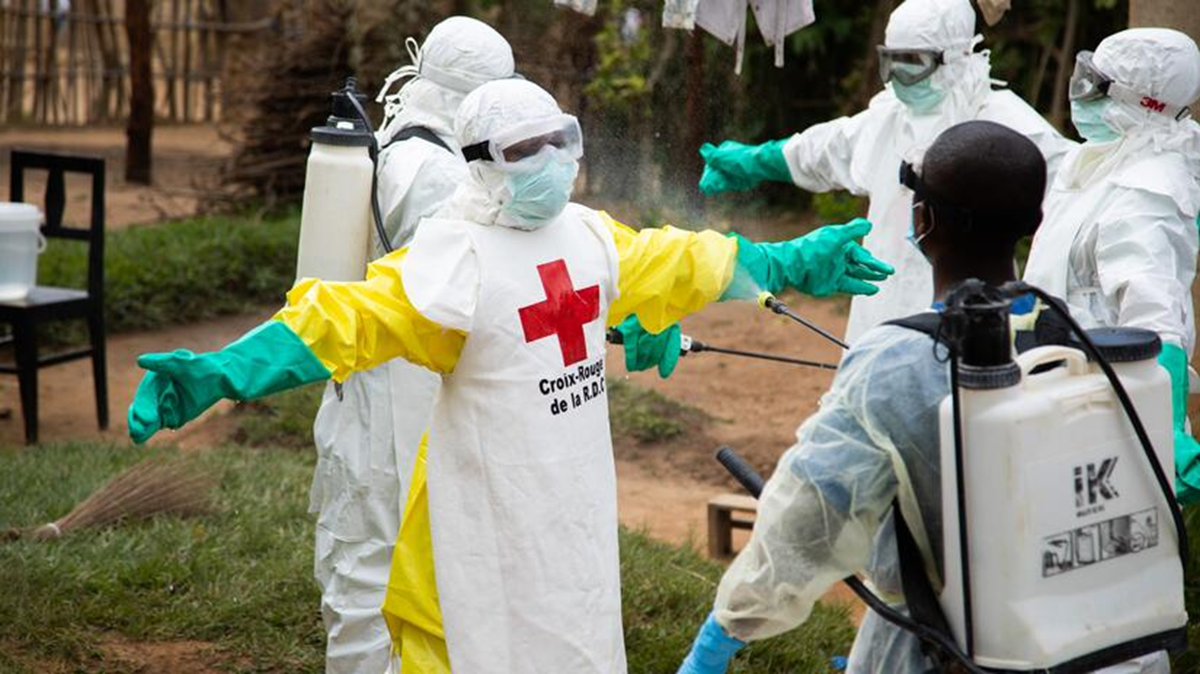
Kaseya also highlighted the absence of approved vaccines or therapeutics for the Bundibugyo strain, meaning health authorities must rely heavily on infection prevention and control measures, case isolation and contact tracing.
He further warned that armed conflict in Ituri Province continues to hamper rapid response deployments, specimen transportation and delivery of medical supplies, while porous borders, informal trade routes and displaced populations increase the risk of regional spread.
Kaseya added that weak health infrastructure, shortages of personal protective equipment, limited isolation facilities and misinformation within communities remain significant obstacles to containing the outbreak.