Michael Gwarisa in Bindura
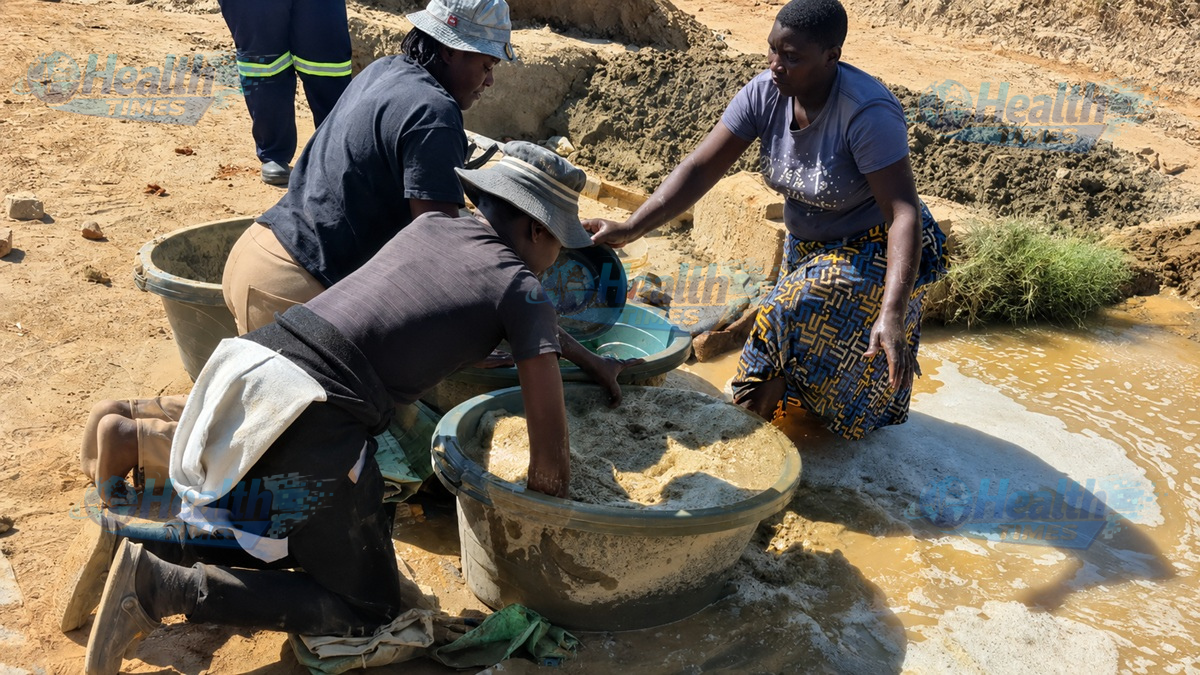
Without gloves or protective equipment, 32-year-old artisanal miner Mavies Gwiriko carefully swirls mercury with crushed gold ore under the scorching Bindura sun, unaware that the toxic metal in her hands can damage the brain, kidneys, lungs, and nervous system.
At Museveni Mine in Bindura, Gwiriko moves rhythmically in clockwise and anticlockwise motions as she mixes muddy ore with mercury, a silvery metal widely used by artisanal and small-scale gold miners to extract gold particles from ore.
Beside her sits a small green bottle containing mercury, which she repeatedly reaches for during the amalgamation process. Despite handling the hazardous substance directly with her bare hands, the danger had never crossed her mind.
“I started mining two years ago,” said Gwiriko. “We process gold using mercury because it easily captures the gold. To be honest, this is the first time I am hearing that there are health hazards associated with mercury.”
Her story mirrors the reality faced by thousands of artisanal and small-scale gold miners across Zimbabwe, where mercury remains central to gold extraction despite growing evidence of its devastating effects on human health, aquatic life, animals, and the environment.
Artisanal and small-scale gold mining (ASGM) has become a major economic activity in Zimbabwe, with more than 300,000 people estimated to be working directly in the sector. The country’s ASGM activities are largely concentrated in four mining hotspot provinces, Midlands, Mashonaland West, Matabeleland South, and Mashonaland Central, which collectively host an estimated 60,556 miners operating across approximately 837 processing sites.
Yet despite its growing contribution to the economy, the sector remains heavily dependent on mercury. Experts estimate that nearly 96 percent of mining sites in Zimbabwe’s artisanal sector still use mercury during gold processing, releasing more than 24 tonnes of the toxic substance into the environment annually. Artisanal gold mining now accounts for more than 40 percent of Zimbabwe’s mineral exports.
Global health experts classify mercury among the most dangerous chemicals to human health, with prolonged exposure linked to tremors, memory loss, neurological disorders, developmental complications in children, reproductive health problems, and damage to vital organs.
It is against this background that the PlanetGOLD Zimbabwe project, working in collaboration with the Ministry of Mines and Mining Development (MMMD) and the Environmental Management Agency (EMA), is intensifying efforts to reduce mercury use in Zimbabwe’s small-scale mining sector through awareness campaigns and the introduction of safer gold processing technologies.
During a visit to Museveni Mine, officials from the three organisations sought to understand how miners are currently processing gold, identify operational challenges, and assess areas requiring improvement. The initiative forms part of broader national efforts to transition Zimbabwe’s artisanal mining sector away from mercury dependence and toward more sustainable gold extraction methods.
Another miner, Poshions Sigauke, who joined gold mining last year after years as a small-scale farmer in Hwedza, described mercury as a “miracle chemical” because of how effectively it captures gold during processing.
Yet like many miners, he too was unaware of the dangers.
“To be honest, I was not aware of the dangers associated with mercury use,” said Sigauke. “I would like to know which other options are available that we can use and avoid mercury if it is that bad to our health.”
Beyond the health risks to miners themselves, environmental experts warn that mercury contamination can persist in rivers, streams, and soils for decades. Once released into water bodies, mercury accumulates in fish and aquatic organisms before eventually entering the human food chain through consumption. Livestock and wildlife that drink contaminated water are also at risk, while polluted soils can reduce agricultural productivity and damage biodiversity.
Zimbabwe is among countries that are party to the Minamata Convention on Mercury, a global treaty adopted in 2013 in Minamata, Japan, following one of the world’s worst industrial mercury poisoning disasters.
The convention seeks to protect human health and the environment from anthropogenic emissions and releases of mercury and mercury compounds. Zimbabwe signed the treaty in 2013 before later ratifying it in 2021, committing itself to reducing and eventually eliminating mercury use in sectors such as artisanal and small-scale gold mining.
To guide that transition, Zimbabwe developed a National Action Plan (NAP) for artisanal and small-scale gold mining aligned with the Minamata Convention. The plan focuses on reducing mercury emissions, promoting mercury-free technologies, strengthening regulatory systems, and improving cooperation between government institutions, mining associations, and other stakeholders involved in the sector.
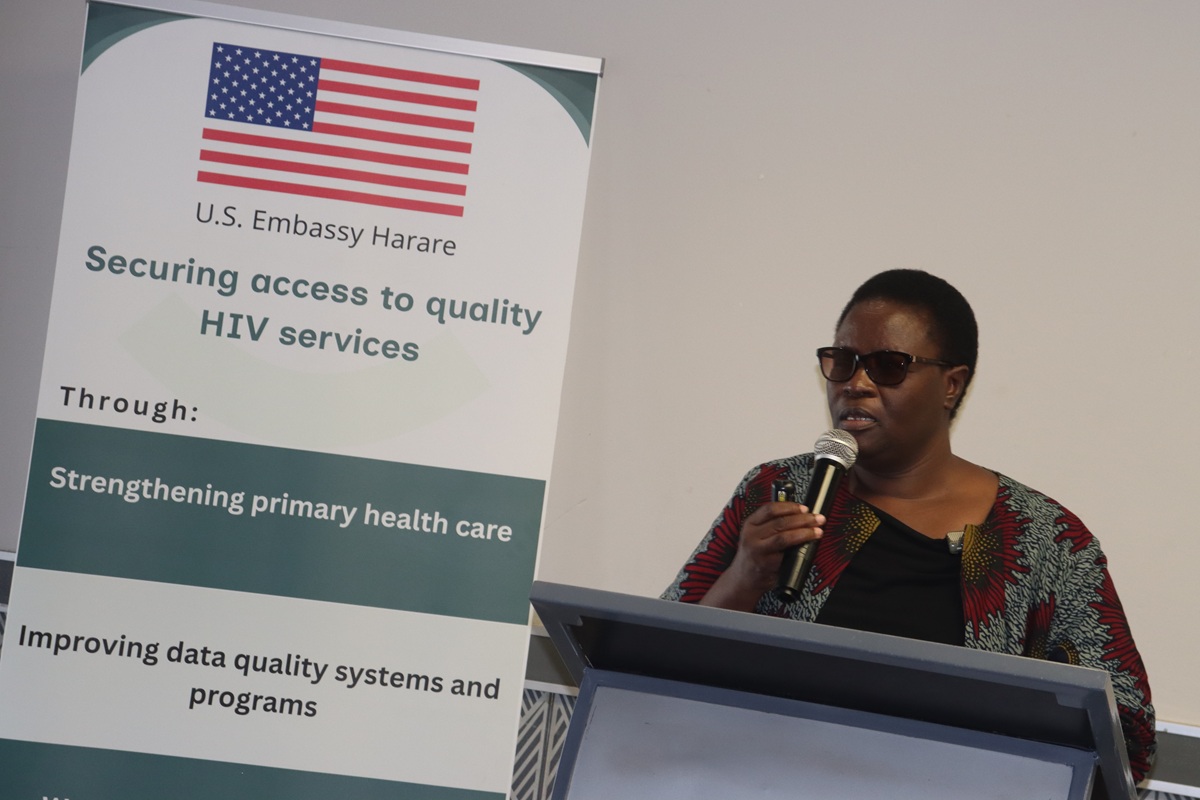
Speaking during the field engagement in Bindura, PlanetGOLD Zimbabwe Project Manager Nyaradzo Mutonhori said introducing mercury-free gold processing technologies remains one of the project’s key priorities.
“We are going to be introducing mercury-free gold processing technologies at eight demonstration sites in Zimbabwe,” said Mutonhori. “The aim is to reduce the use of mercury by 4.85 tonnes.”
Mutonhori said the project is currently operating in 11 districts across Zimbabwe and focuses on four key pillars: formalisation of artisanal miners, improving access to financing, introducing mercury-free technologies, and raising awareness about the dangers associated with mercury use.
“We are supporting artisanal and small-scale gold miners to formalise their operations,” she said. “Once miners are integrated into the formal sector, they have improved access to financing and better economic opportunities.”
The project also aims to support approximately 7,500 direct beneficiaries — including women and youth miners — to formalise operations, improve access to financing, adopt mercury-free processing technologies, and increase awareness of the dangers associated with mercury exposure.
She added that improved access to finance would allow miners to invest in safer and more efficient technologies while improving access to responsible and traceable gold supply chains.
“We believe that if artisanal and small-scale miners get financing to enhance their technical capacity, it will help them adopt sustainable technologies, including mercury-free processing methods,” she said.
Engineer Molline Siwela said the project is currently profiling ore samples from different mining communities to determine which mercury-free technologies best suit particular mineral compositions.
“As we aim to reduce mercury use by 4.85 tonnes within the artisanal and small-scale gold mining sector, we are exploring technical pathways towards non-mercury technologies within the 11 districts,” said Siwela.
“We have profiled several mine sites and collected ore samples. We are now identifying candidate technologies that match the mineralogy of the ores from specific sites.”
She said pilot projects would soon begin at selected mining locations where miners would be able to compare current mercury-based methods with safer alternatives.
Officials from the Ministry of Mines and Mining Development say several viable alternatives to mercury already exist.
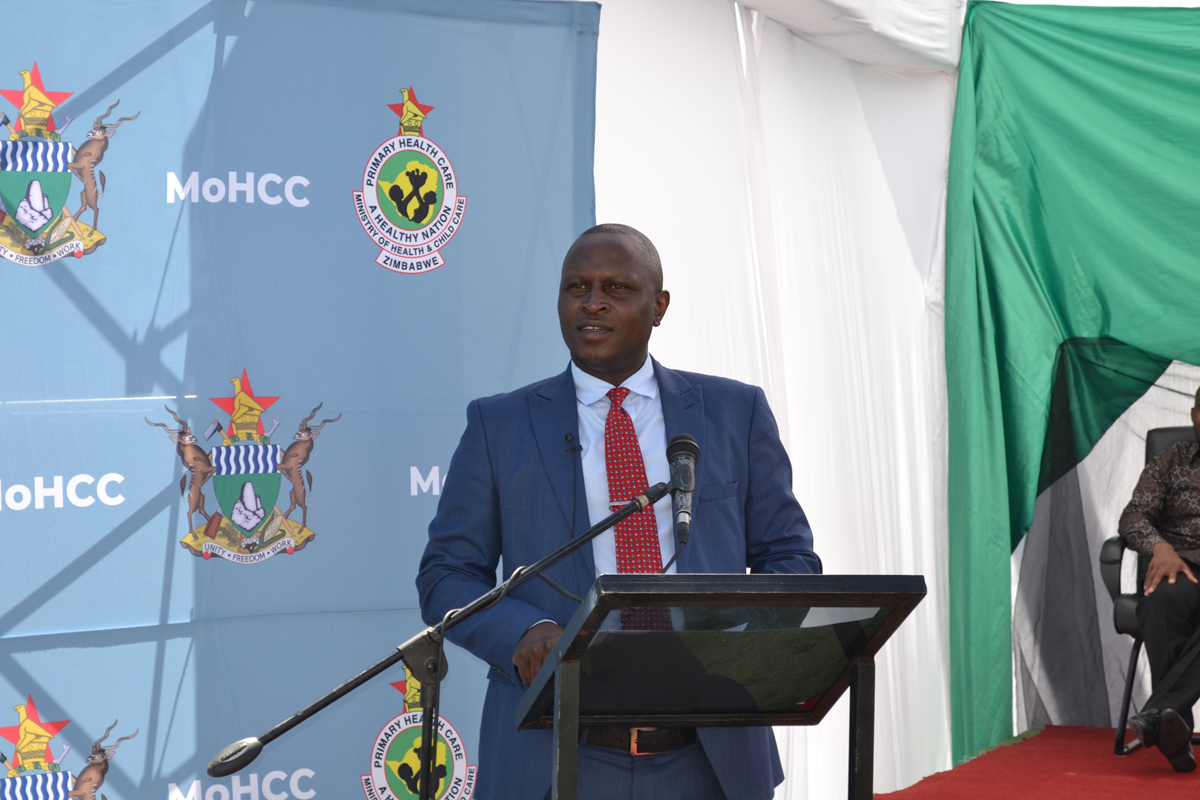
Reginald Chidawanyika from the Department of Metallurgy outlined some of the mercury-free gold extraction methods currently being promoted.
“We are looking at three alternatives to using mercury in gold processing,” said Chidawanyika.
“The first option is direct smelting of concentrates. After crushing and grinding the ore, miners can concentrate it using shaking tables, jigs, or Nelson concentrators to separate gold-bearing material from waste before smelting.”
He said another option involves leaching and precipitation techniques using chemicals such as aqua regia or chlorine-based solutions to dissolve and recover gold without mercury.
“The third option is direct cyanidation, which is effective for ores with limited free gold,” he added.
As Zimbabwe pushes to align its mining sector with global environmental and public health standards, experts believe the transition away from mercury could transform the country’s artisanal gold mining industry while protecting both livelihoods and ecosystems.
For miners like Gwiriko, the shift may ultimately mean more than just improved gold processing methods. As she returned to the washing dish, mercury bottle still within reach, the warnings she had just heard lingered heavily, a reminder that for thousands of Zimbabwean miners, the search for gold may also carry invisible long-term costs.