By Kudakwashe Pembere
Amidst calls by Government to come up with bilateral agreements between Zimbabwe and countries where thousands of health workers are migrating to, the UK Government says they are working on one with the Health and Child Care ministry.
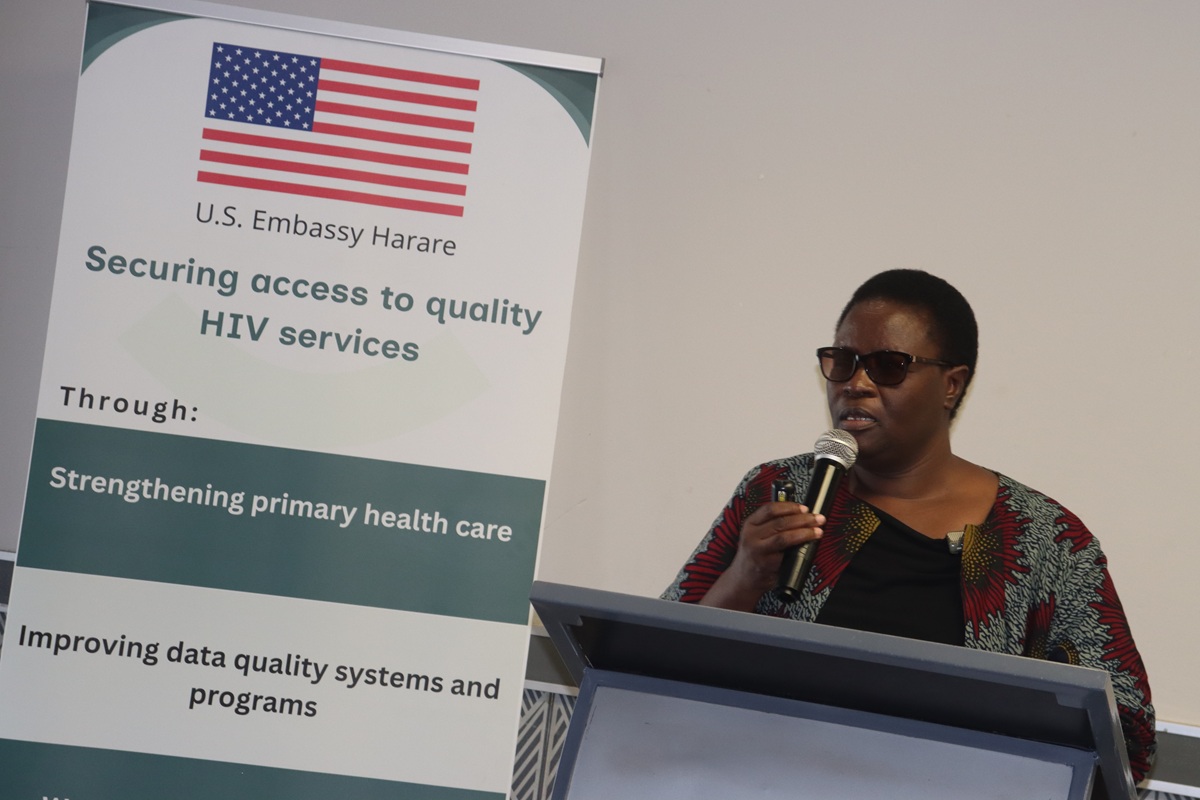
This emerged Thursday at the launch of the Health Workforce Compact Strategy. Addressing officials from funding, development partners and the government, the British Embassy Development Director and Deputy Head of Mission Dr Jo Abbott said the partnership aligns with the Health Workforce Investment Compact strategy.
So, coming to today and to this end, the UK is currently establishing a UK-Zimbabwe health partnership, looking to partner and share expertise between the British and Zimbabwean health sectors and health system experts,” she said.
She added that they were working really closely with the Ministry of Health and Child Care and the Health Services Commission to finish this.
“I can confirm that this partnership has been framed within the context of and in support of the Health Workforce Investment Compact. In concluding, I would like to appreciate everyone who’s been involved in this exciting endeavour, and I look forward to the UK continuing to work with all of you to support the implementation of this compact.”
Professor Paul Mavima, the Minister of Skills Audit and Development noted that due to the cost of training health workers, there was need to come up with bilateral agreements by destination countries for compensation.
“We have to develop bilateral agreements especially with the destination countries where our people are going so that there can be some level of compensation for them tapping into our trained and skilled human capital. The cost of training has to be compensated one way or the other.
“I know that there are countries that have already started these bilateral agreements and Kenya and the UK are a good example. I think we need to follow the same approach in making sure that some resources come from the destination countries back into the developing nations so that we can continue to develop and train our people,” Prof Mavima said.
The Skills and Audit Mininster added, “The key objective of all this is to ensure that due to globalisation it is not easy to deal with the skills flight but we should come up with strategies to ensure that we also benefit from the skills that we trained, that have migrated to other countries. This is another element that we have to promote so that wherever they are they can continue to contribute to the development of the health care system.”
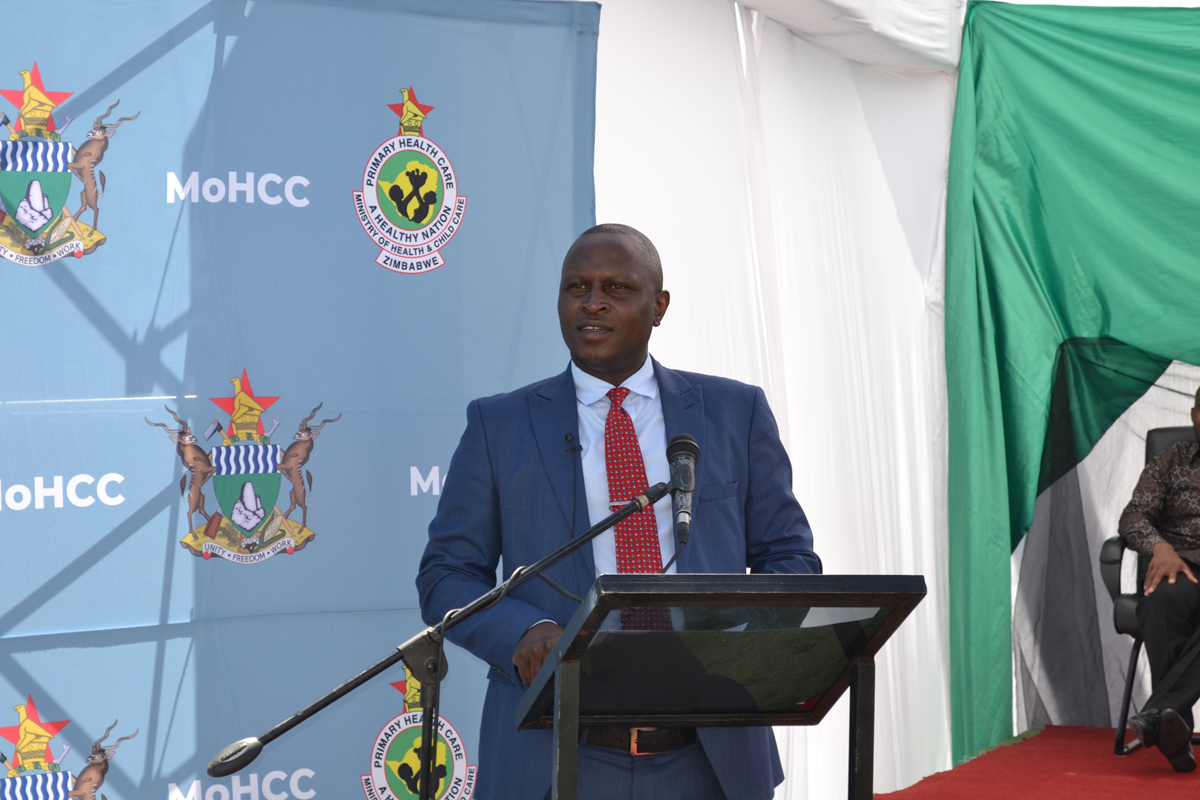
Health and Child Care Minister Dr Douglas Mombeshora said evidence from a Health Labour Market Analysis study indicated that the training and production of certain key health workers categories has stagnated or reversed over the years.
“Additional problems, such as the inevitable distribution of health workers between the public and private sector, urban and rural, as well as hard-to-reach areas, were identified as inhibiting factors to achievement of key health outcomes and universal health coverage,” he said.
He also said the migration to greener pastures hamstringed efforts to achieve better health outcomes.
“Mitigation of skilled and specialized health professionals to developed countries for better opportunities further compounds and already complicated problems with a multifaceted set of push and pull factors,” he said.
Health Service Commission chair Dr Vincent Hungwe said they are committed to scailing up recruitment and retention to plug the staffing gaps hindering service delivery.
“We are committed to doubling our current health workforce by 2030, creating and sustaining at least 32,000 additional jobs in the health sector, and reducing health workforce attrition by 50% through appropriate training, attraction, and retention measures.
“This will require substantial investments, including our health workforce recurrent costs and investments from the current US$9 per capita to at least US$32 per capita by 2026. And the metric for in or rather in our competitor countries in this regard stands at US$24 per capita,” he said.
More than 4,000 nurses and doctors have left Zimbabwe since February 2021, local reports say.
The UK’s National Health Service has been an attractive destination for Zimbabwean health workers due to significantly higher wages compared to those offered in Zimbabwe.
The UK suspended the recruitment of Zimbabwean health workers after the World Health Organization placed Zimbabwe on the red list, indicating a serious shortage of health personnel. The Zimbabwe Medical Association (ZiMA) reports that the country currently has approximately 3 500 doctors to serve a population of 16 million people.