First described in Jamaica in 1955, malnutrition-related diabetes is distinct from both type 1 and type 2 diabetes. It primarily affects young men with a body mass index (BMI) below 19, who are often misdiagnosed with type 1 diabetes. Unlike type 1, patients do not develop ketonuria or ketosis despite high blood glucose levels and significant insulin requirements. “Malnutrition-related diabetes has historically been vastly underdiagnosed and poorly understood,” said Meredith Hawkins, professor of medicine at Albert Einstein College of Medicine, Bronx, New York. “The IDF’s recognition of it as ‘type 5 diabetes’ is an important step toward raising awareness of a health problem that is so devastating to so many people.”

In January 2025, a panel convened in India to draft a consensus statement on the condition, which is expected to be published soon, according to Hawkins in an interview with Medscape Medical News. The statement will provide detailed guidance for healthcare professionals worldwide. The American Diabetes Association’s classification currently includes type 1, type 2, gestational diabetes, and specific types caused by factors such as single-gene mutations, exocrine pancreatic diseases like cystic fibrosis, or drug-induced diabetes. Type 5 diabetes adds to this complex landscape, with an estimated 20-25 million people affected globally.
The IDF’s decision underscores the diversity of diabetes types, each with unique causes and treatments:
- Type 1 diabetes results from an autoimmune attack on insulin-producing pancreatic cells. It can occur at any age and is unrelated to lifestyle. Treatment requires lifelong insulin therapy via injections or pumps. Some patients benefit from pancreatic cell transplants from deceased donors, reducing insulin dependence. Experimental stem-cell-derived transplants have shown promise but require immune-suppressing drugs.
- Type 2 diabetes, the most common form, is often linked to high BMI but can affect those of normal weight, particularly South Asians, Africans, and Caribbean populations. Treatments include metformin, which enhances insulin sensitivity, and other drugs that boost insulin production. Lifestyle changes, such as a 12-month low-calorie diet of 800 calories daily, reversed type 2 diabetes in 46% of participants in a research trial.
- Gestational diabetes develops during pregnancy, typically between weeks 24 and 28, due to hormonal changes reducing insulin sensitivity. Risk factors include obesity, family history, and ethnicity, with Middle Eastern, South Asian, and African Caribbean women at higher risk. Management involves diet, exercise, tablets, or insulin injections.
- Rarer forms include neonatal diabetes, caused by genetic mutations affecting insulin release, and maturity onset diabetes of the young (MODY), linked to genetic changes impacting pancreatic function. Type 3c diabetes arises from pancreatic damage, such as in pancreatic cancer or cystic fibrosis-related diabetes, which affects about one-third of cystic fibrosis patients by age 40.
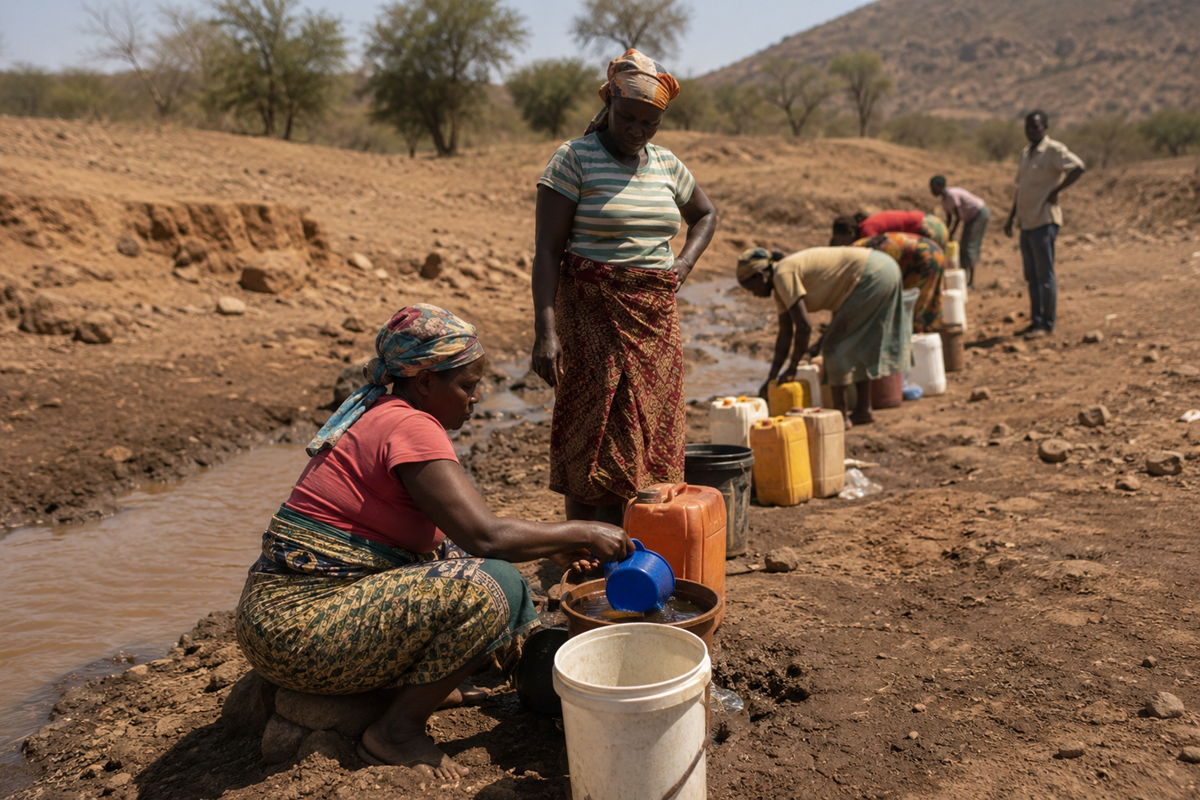
- Type 5 diabetes is caused by malnutrition in early life, leading to poor pancreatic development. Studies on rodents show that low-protein diets during pregnancy or adolescence impair pancreas growth, reducing insulin-producing cell reserves. This form is prevalent in poorer nations and requires tailored insulin therapy.